
News, events and insights
You can discover all of our latest news, events and insights here. If you are looking for expert content for your events or publications, please get in touch.

News, Blogs and Events cards

Shared Learning Event: Sensory Inclusive Learning Environments
24/06/26 - 10:00 am
Online (Microsoft Teams)
Learn More

We are hiring: Design Officer (Fixed-term opportunity)
Learn More

A&DS and RIAS Scottish Student Awards for Architecture 2026
Learn More

How our landscape can shape learning, living and the design of our buildings
Learn More
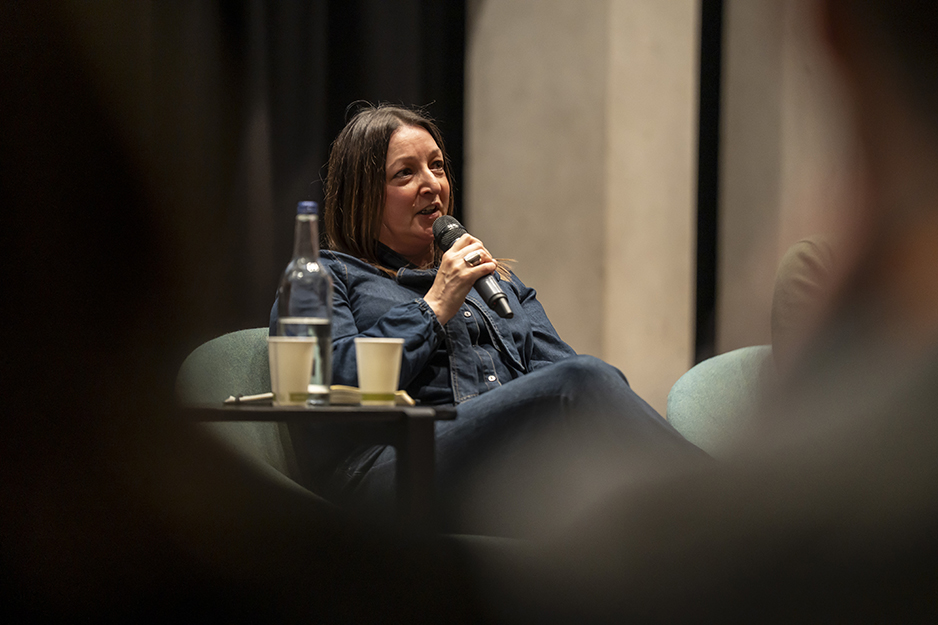
Caroline Parkinson on being a Board Member of A&DS
Learn More

Why now is the moment to join the Architecture and Design Scotland Board
Learn More

Could you be one of our new Board Members?
Learn More

Could you be the Chair of Architecture and Design Scotland?
Learn More

AI in the City: exploring the future of urban life
Learn More

A&DS Chair resignation
Learn More

Learning Locally - impacts in Armadale
Learn More
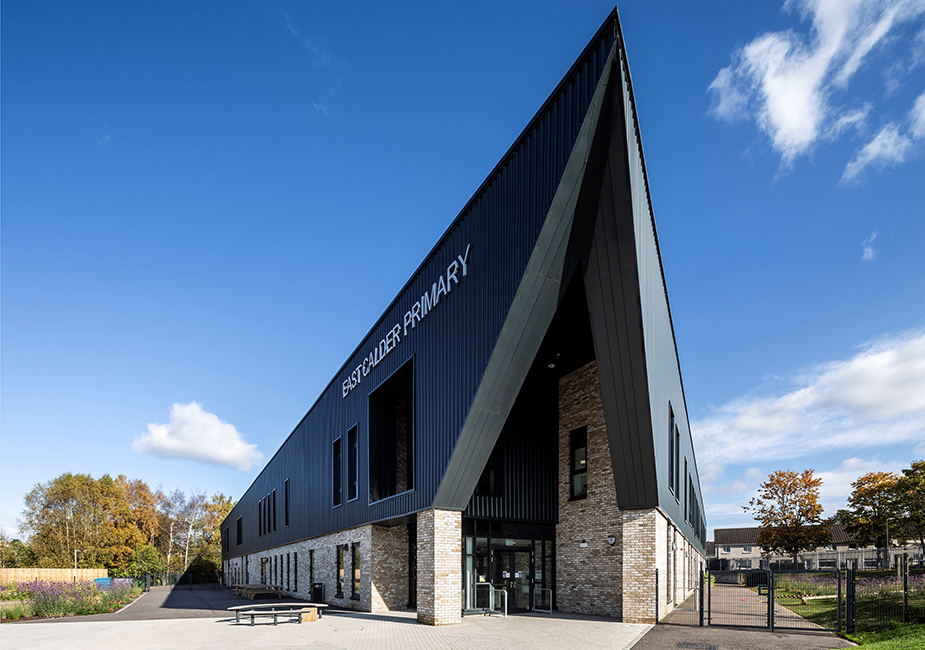
Reflections on our recent shared learning event - completed LEIP projects
Learn More

Designing the future
Learn More

Winners announced for the 2025 A&DS and RIAS Scottish Student Awards for Architecture
Learn More

The Data Lab Academy Innovation Challenge 2025
Learn More

How good design benefits people and planet: reflections from the World Design Congress
Learn More
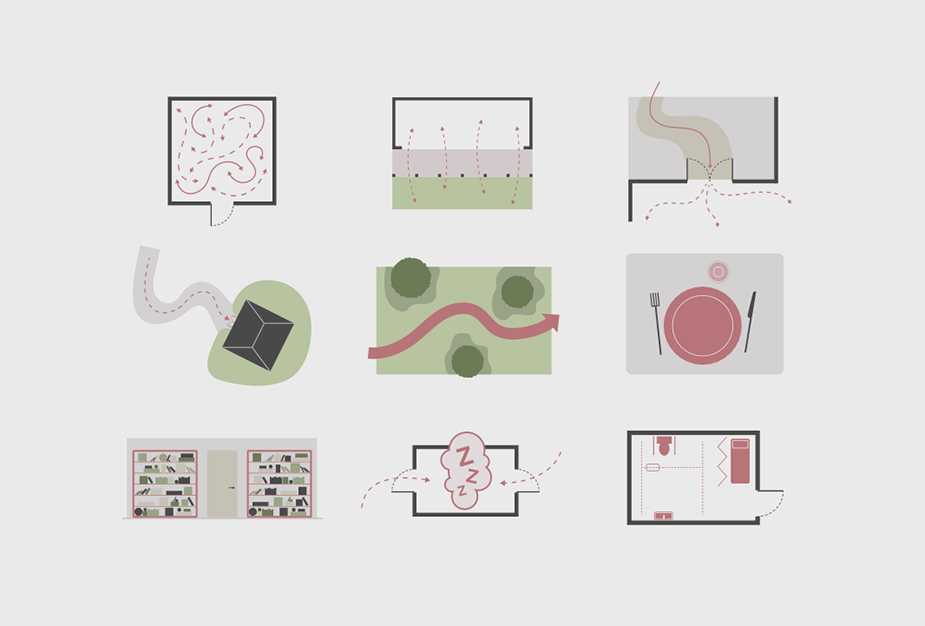
Design for the mind: creating inclusive learning environments for all
Learn More

Shortlists announced for the A&DS & RIAS Scottish Student Awards for Architecture 2025
Learn More
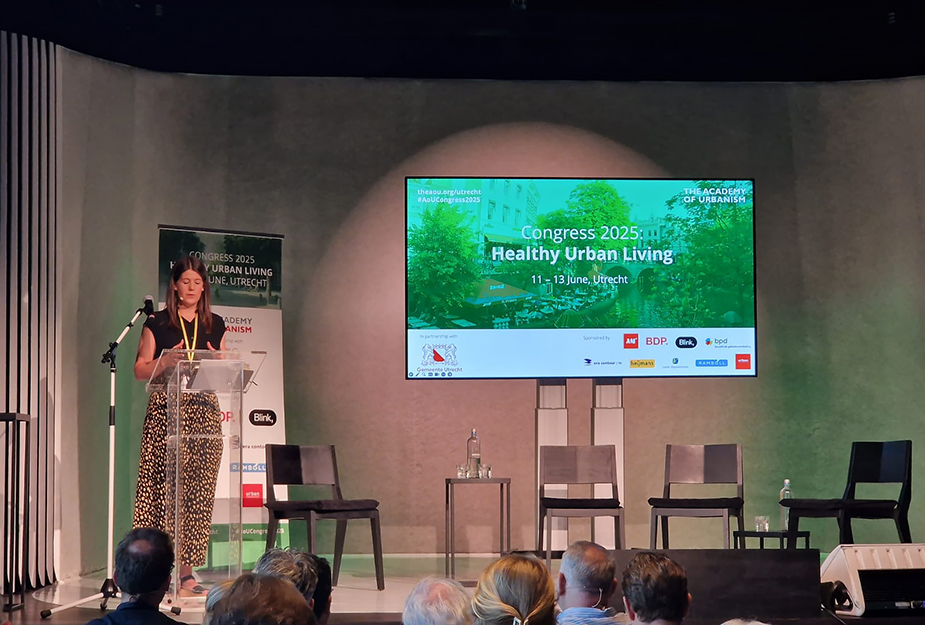
Healthy Urban Living: lessons from Utrecht for Scottish cities
Learn More

Scottish government publishes review recommendations on the future of architecture policy delivery
Learn More

Steve Malone appointed Director of Design
Learn More
A&DS and RIAS Scottish Student Awards for Architecture 2025
Learn More
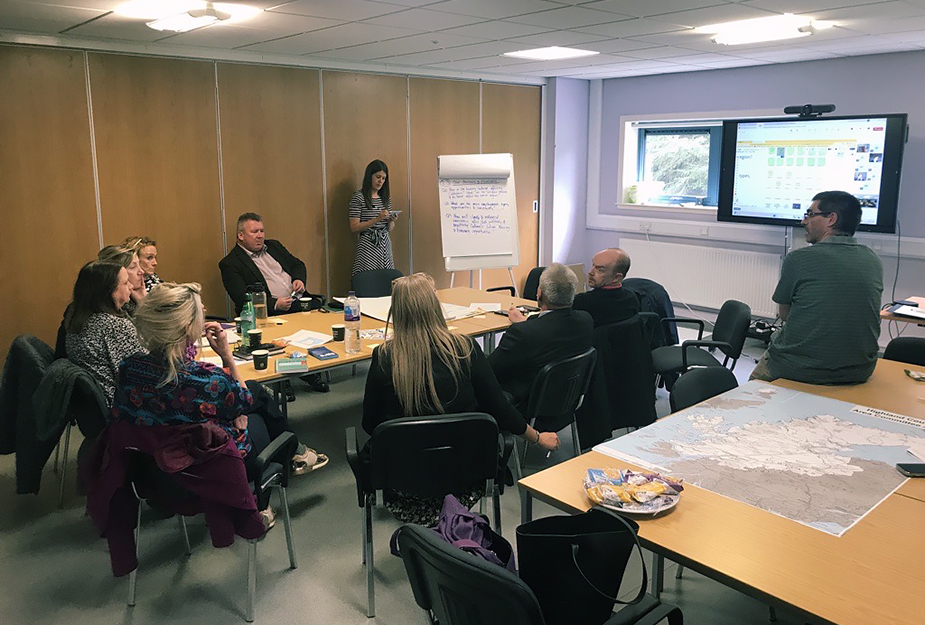
Lessons learned from the second Key Agencies Group Shared Learning Event
Learn More

Shared Learning Event on energy reporting and monitoring for our learning estate
Learn More

Peter Barber at the RSA's 2025 Metzstein Discourse
Learn More

Taking ownership: Climate Action Towns' ongoing stories
Learn More

Unlocking Town Centre Living: insights from private sector engagement
Learn More

Value of Design campaign: how design can improve everyday spaces, buildings and places
Learn More

Inspiring the Learning Locally project: lessons from Armadale
Learn More

Place Forum 5: What Next for Place? Unlocking the power of place: design, data and collaboration
Learn More

Data innovation and improved insights to deliver sustainable places
Learn More
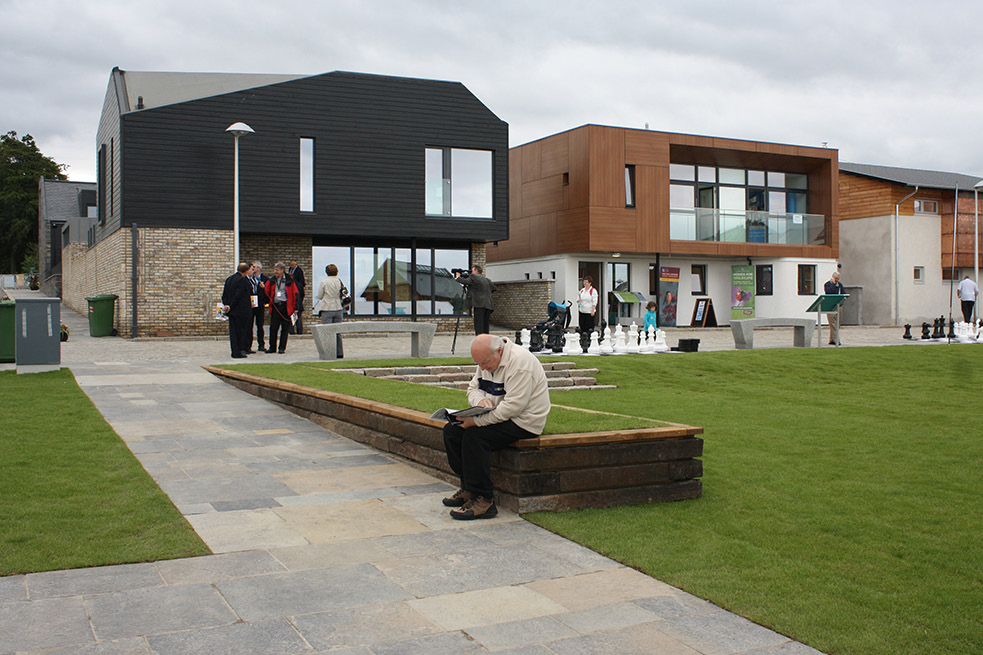
Designing for people: a humanist approach to architecture
Learn More

Venice Biennale exhibition opens at V&A Dundee
Learn More

Reflections on the Design for Planet Festival 2024
Learn More

Value of design in creating people-centred places
Learn More
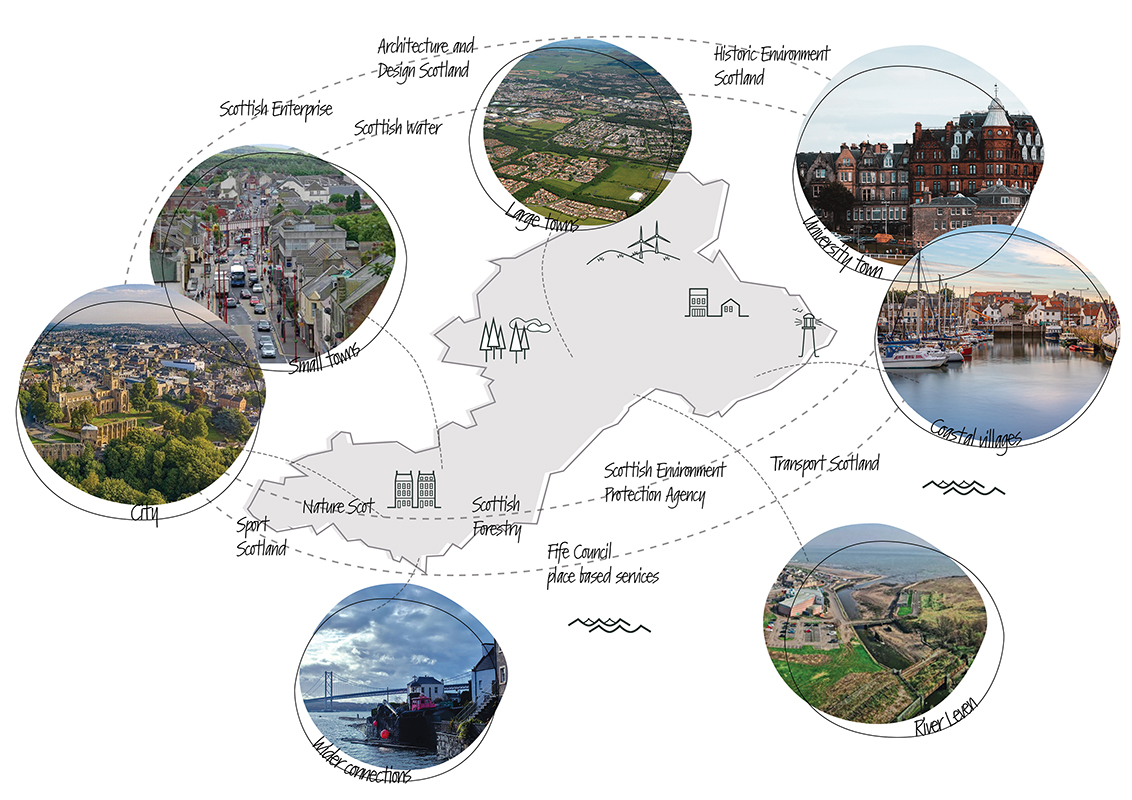
Harnessing the power of design in development planning
Learn More

Designing healthier cities: a Danish-Scottish dialogue
Learn More

The value of design within the regeneration of housing in Scotland’s town centres
Learn More

Student awards 2024: interview with Euan Clarke
Learn More

Student awards 2024: interview with Ailsa Hutton
Learn More

Student awards 2024: interview with Briony Potter and Isabelle Warren
Learn More

Winners announced for the 2024 A&DS and RIAS Scottish Student Awards for Architecture
Learn More

The Recap: A weekly update from Architecture and Design Scotland
Learn More

Construction embodied carbon and Scotland’s Learning Estate
Learn More

How Benarty is embracing being a Climate Action Town
Learn More

New podcast launched: Value of Design
Learn More

The Recap: A weekly update from Architecture and Design Scotland
Learn More

The value of (co)design
Learn More

Value of design: diversity is the key
Learn More

Place Forum 4: Preventative design
Learn More

Redesigning cities: learning from Barcelona’s Superblocks
Learn More

The Recap: A weekly update from Architecture and Design Scotland
Learn More

Design: The key to creating healthier, happier places
Learn More

Campaign launched to champion the Value of Design
Learn More

How to design places that prevent problems
Learn More

A&DS and RIAS Scottish Student Awards for Architecture 2024
Learn More
How architecture and design can make a positive impact on mental health
Learn More
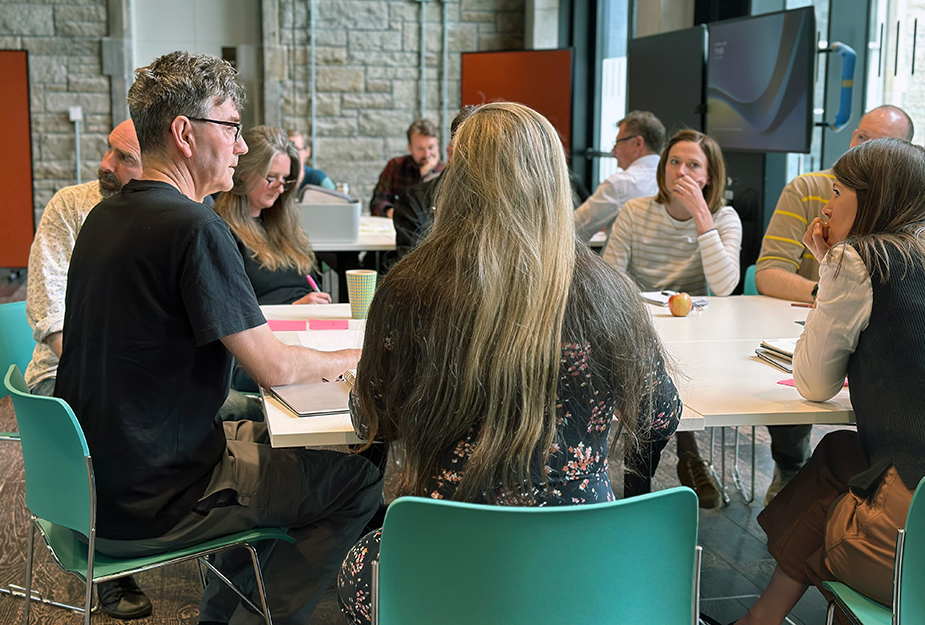
The Recap: A weekly update from Architecture and Design Scotland
Learn More
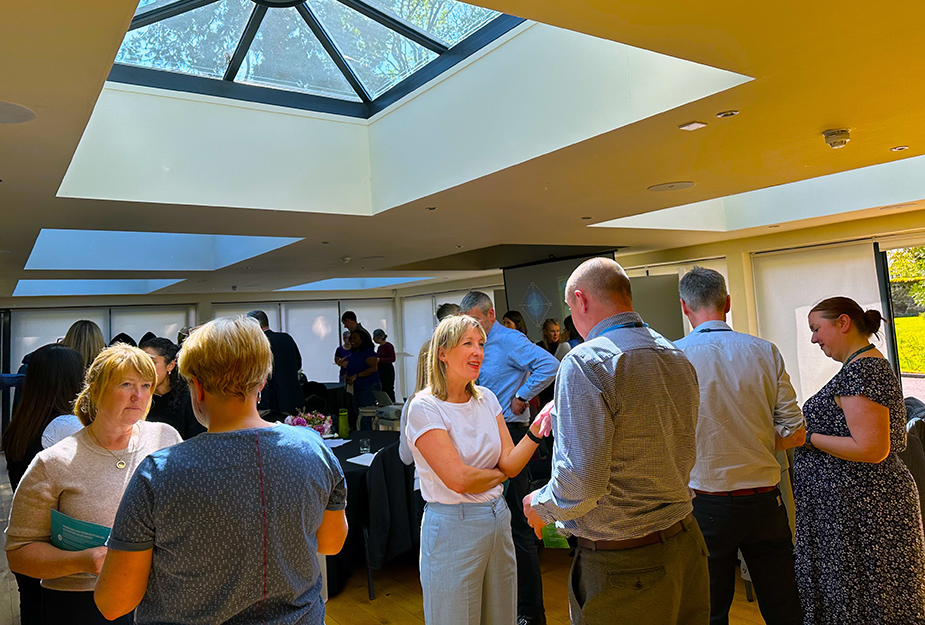
Designing cities that work for women: key takeaways from a Perth workshop
Learn More
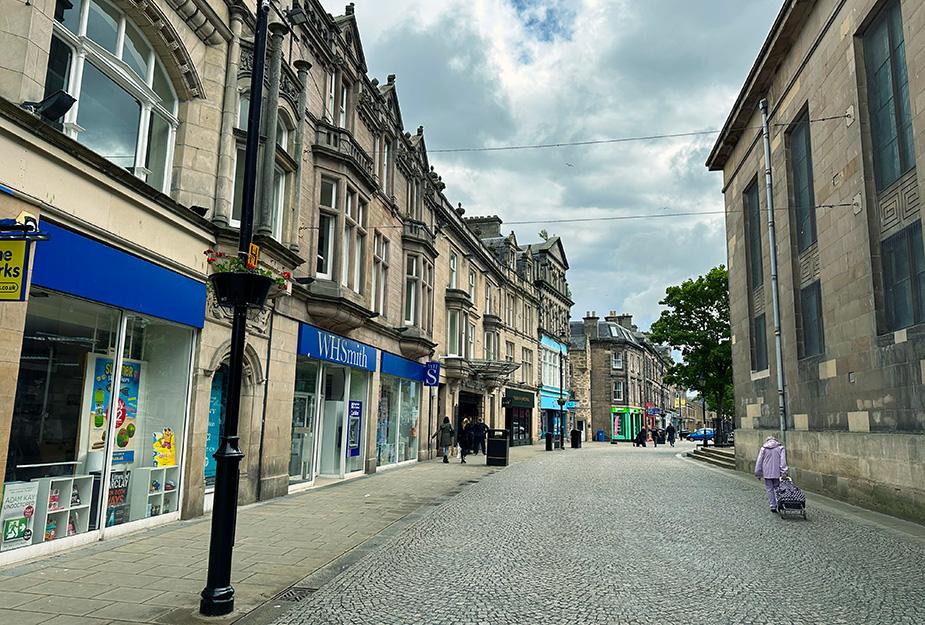
A place-based approach to Town Centre Living
Learn More
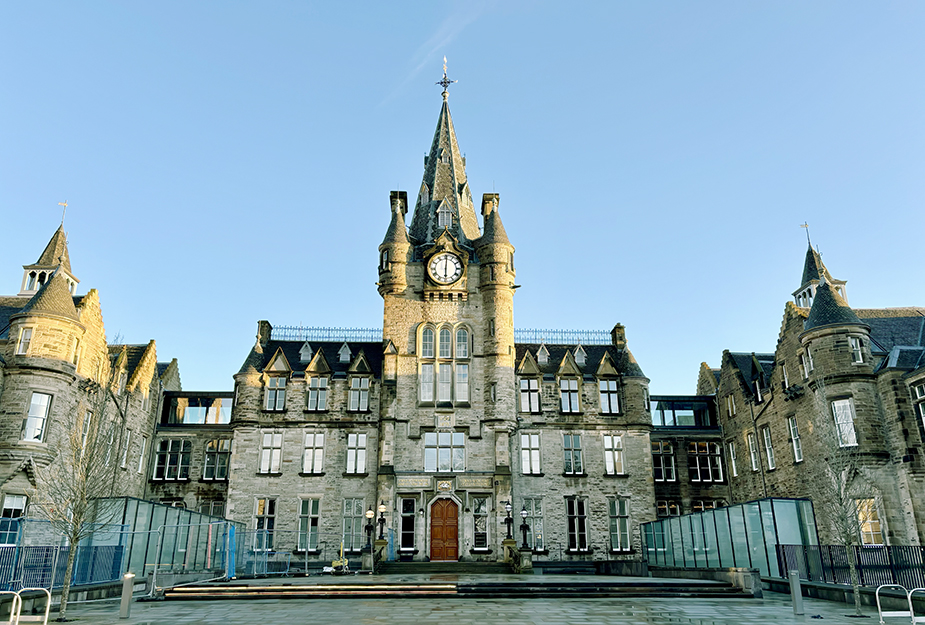
A new home for Architecture and Design Scotland
Learn More
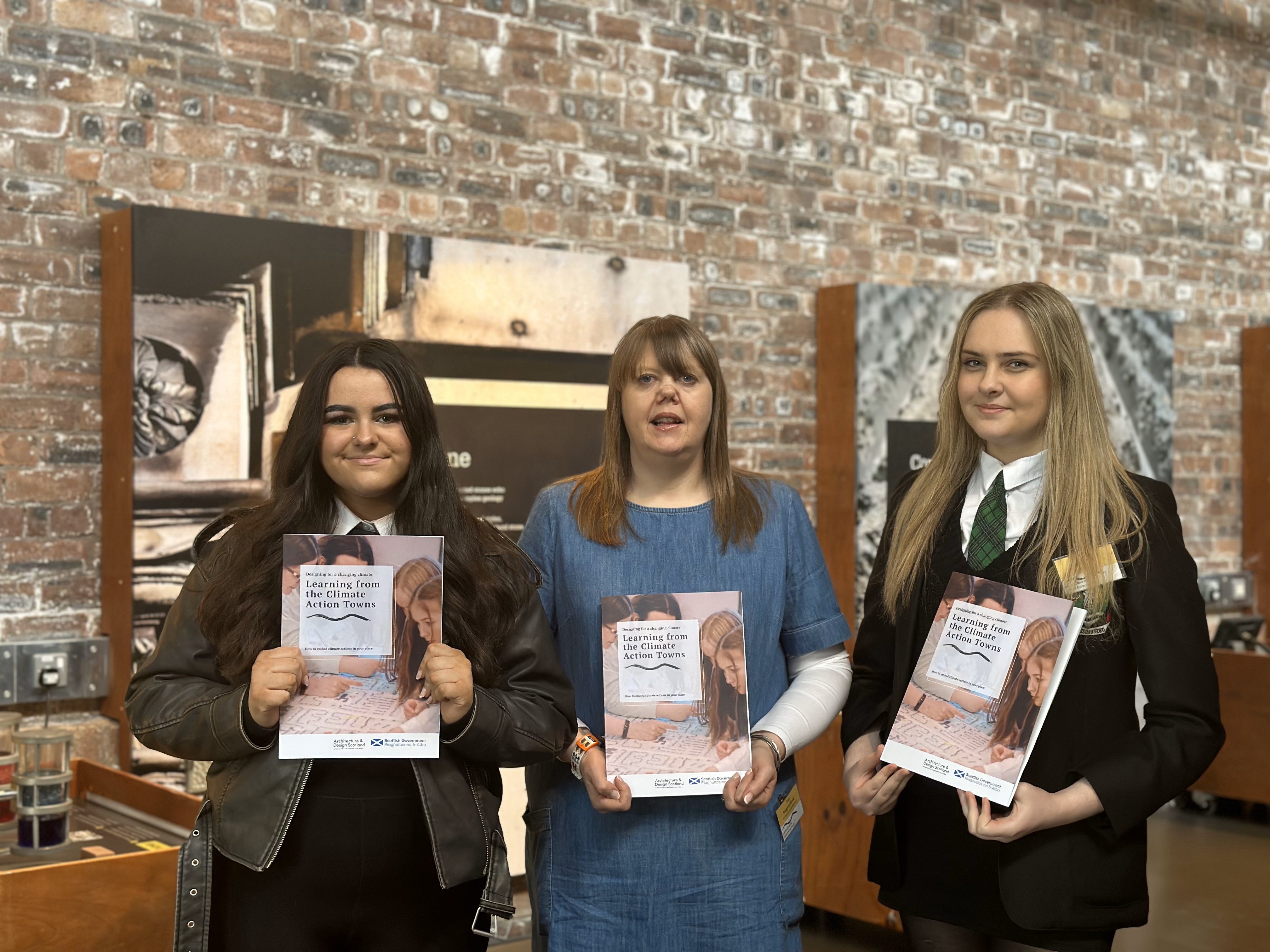
Learning from the Climate Action Towns at the Gathering event and resource launch
Learn More
Key trends that mean we need to use our town centres differently - event
Learn More
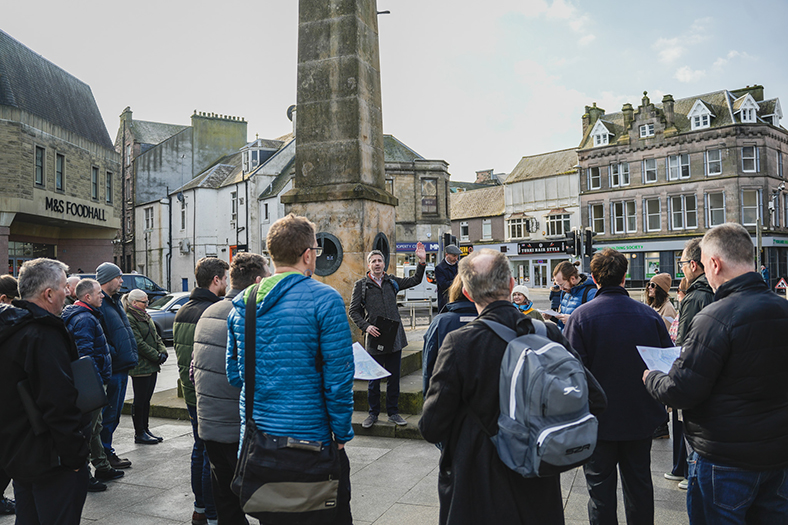
Roadshow series highlights huge potential for communities across the country
Learn More
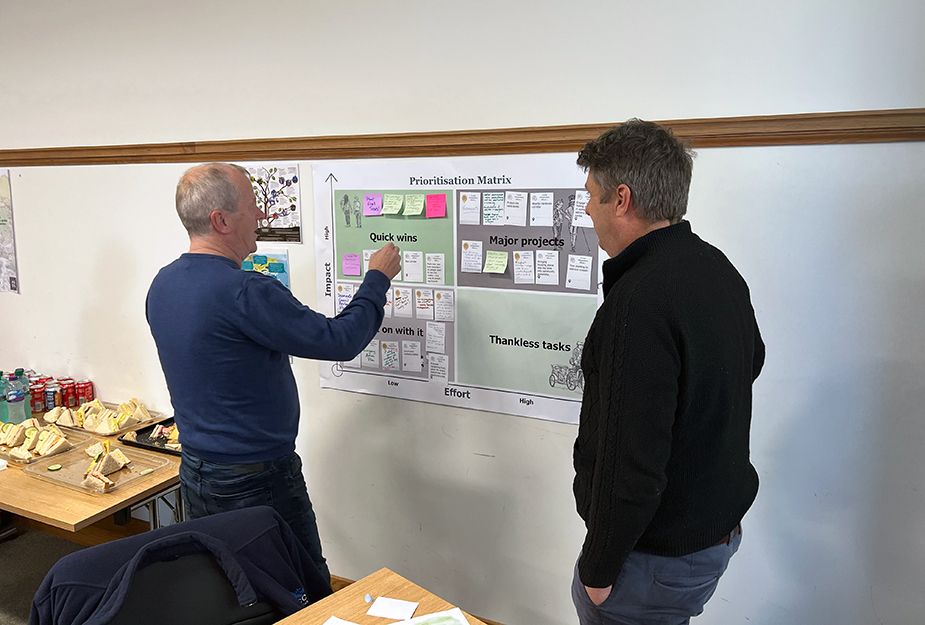
How Scottish towns can work together to tackle the climate emergency
Learn More
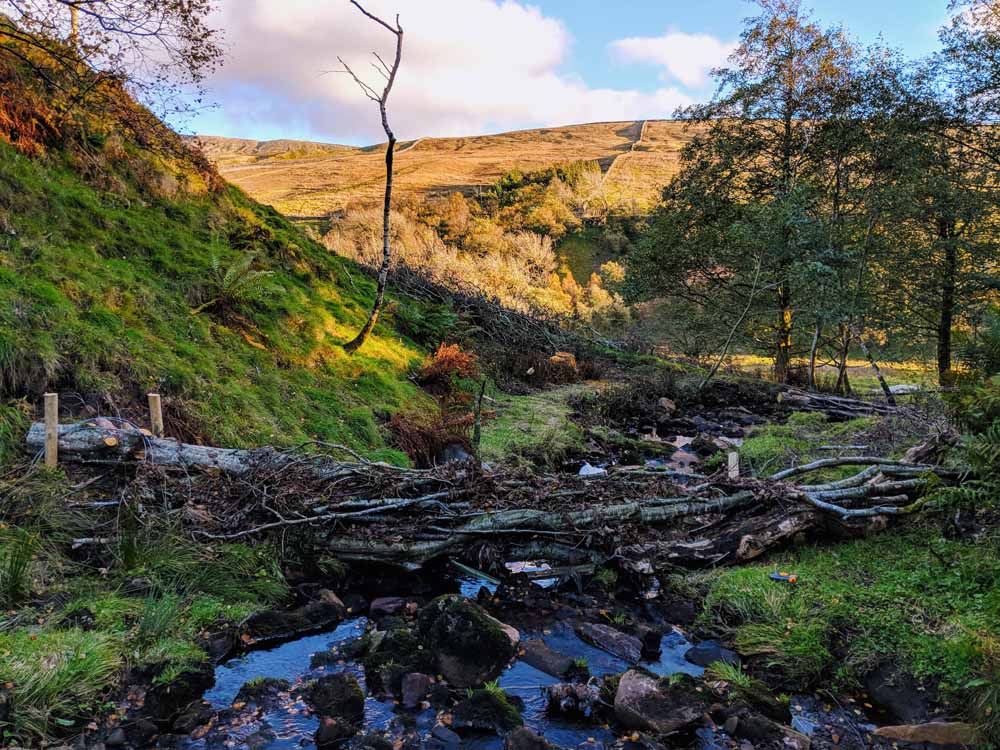
How we can tackle biodiversity loss
Learn More
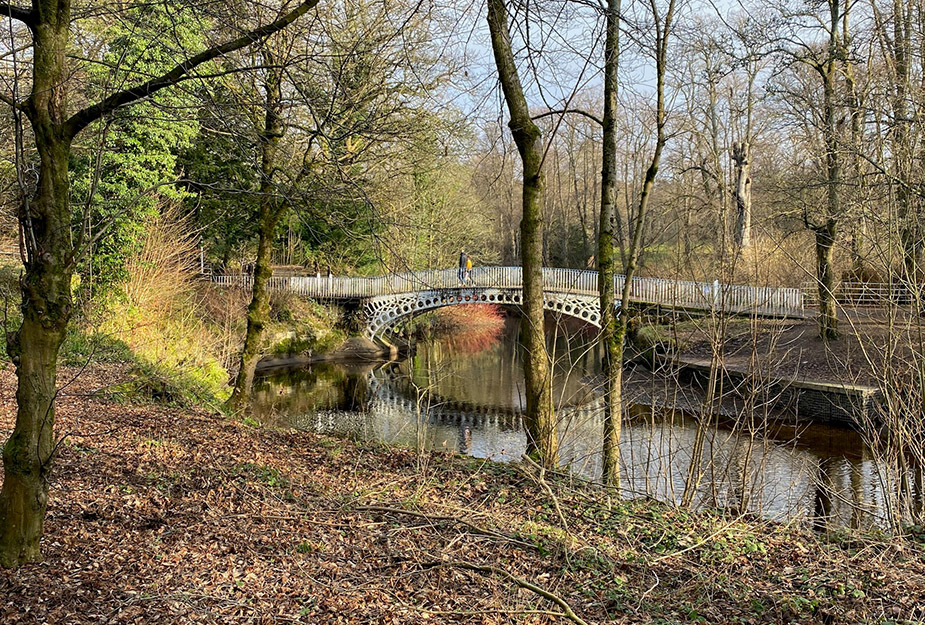
What is a blue-green infrastructure?
Learn More
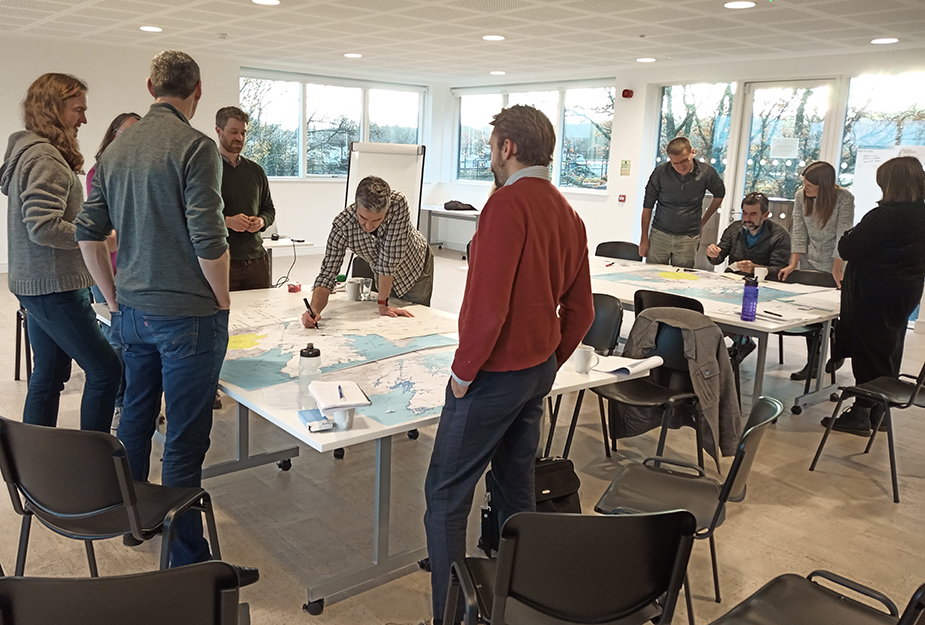
Lessons learned from the first Key Agencies Group Shared Learning Event
Learn More
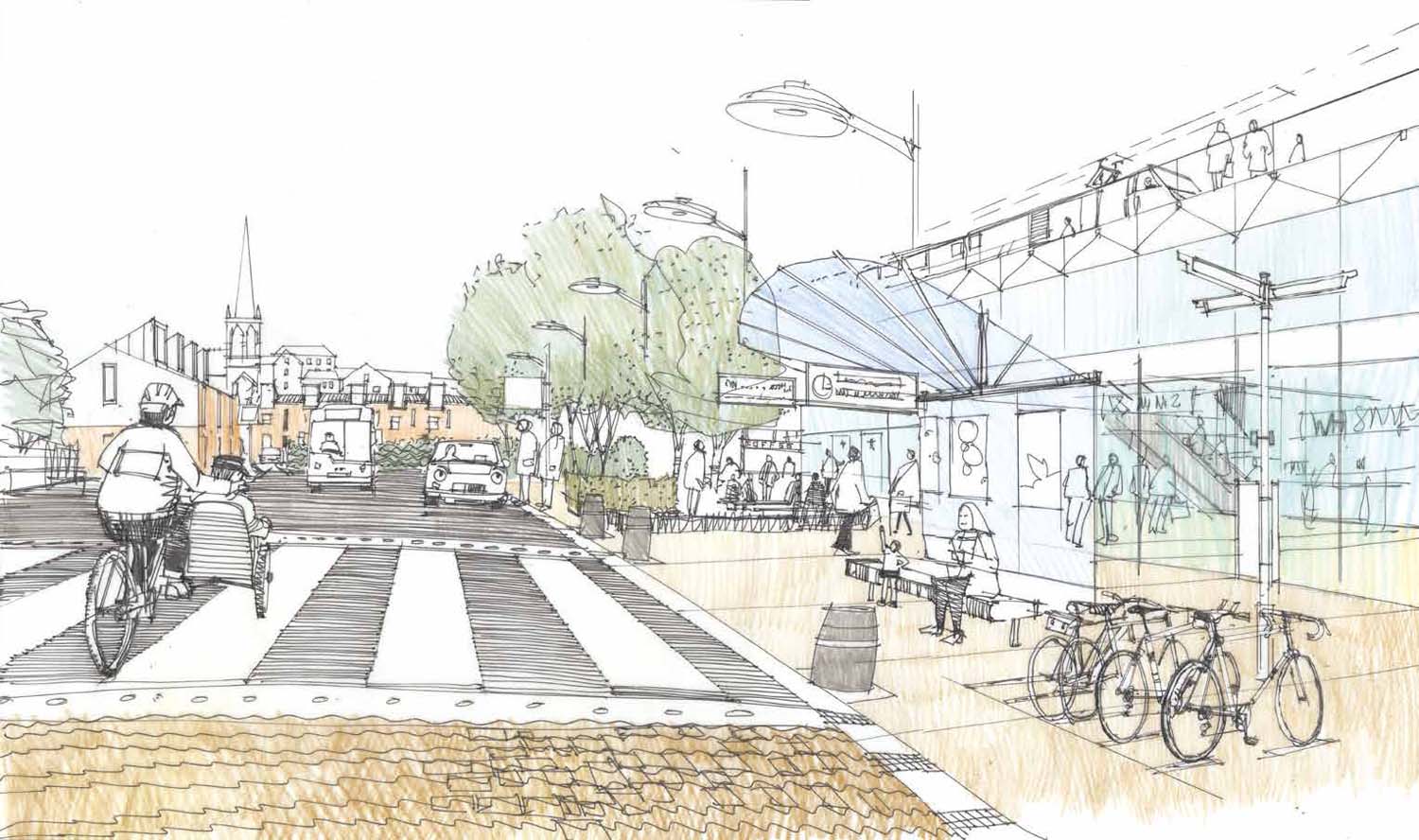
Roadshow to help unlock potential of town centre living in Scotland
Learn More
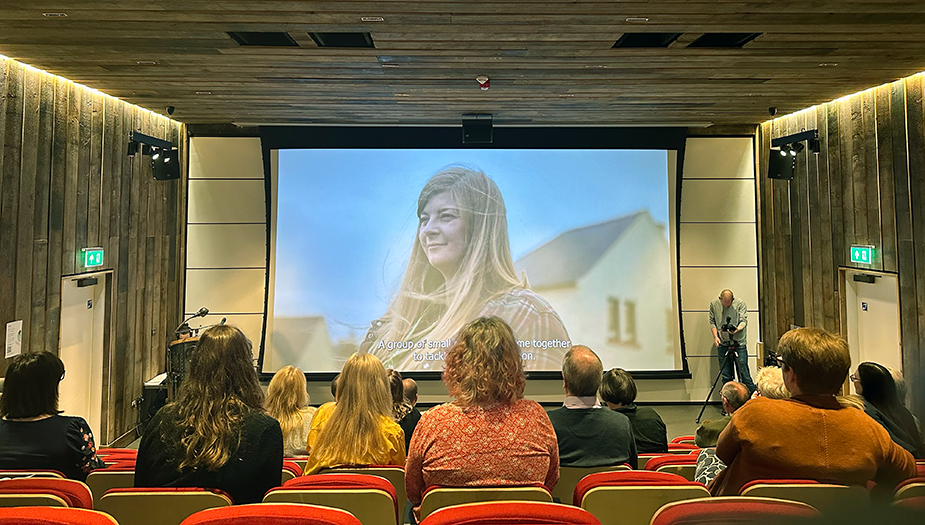
New Architecture and Design Scotland report reflects on the importance of design to create thriving places in Scotland
Learn More
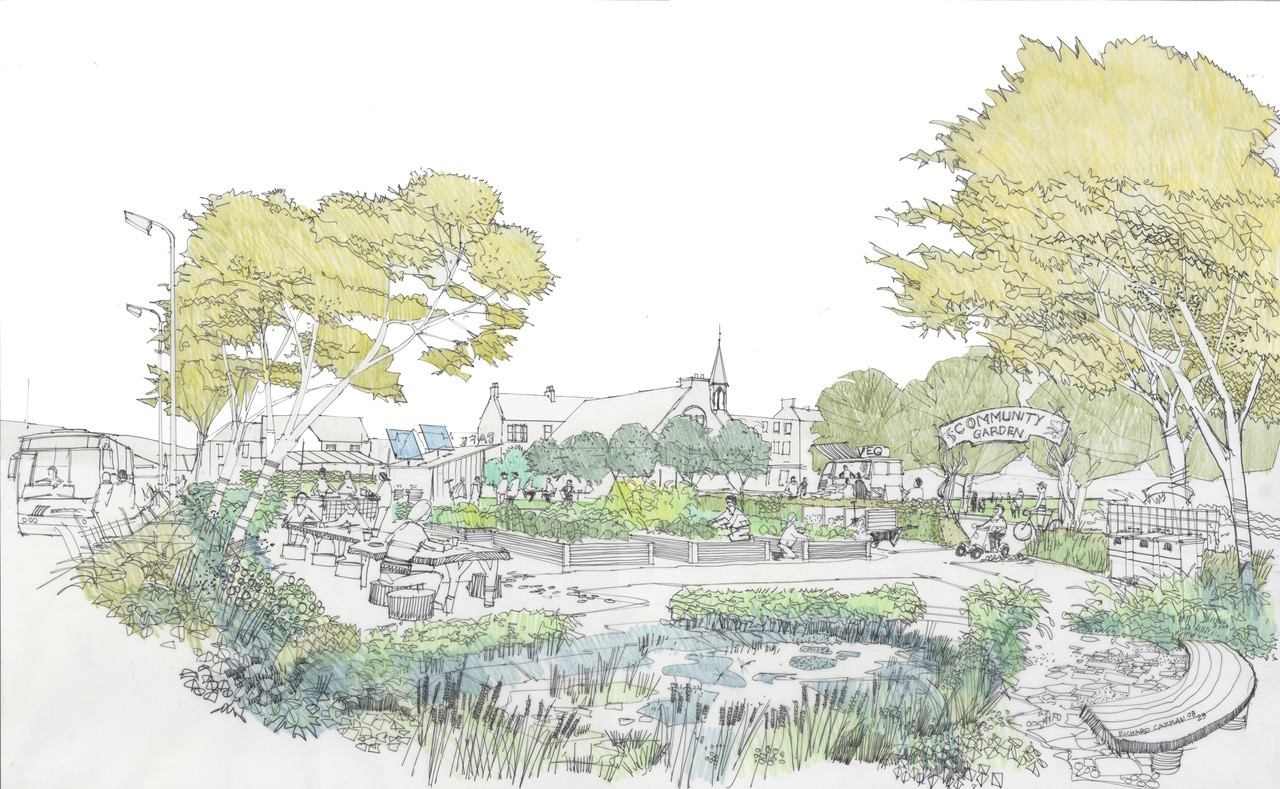
Gathering online to share examples of climate action
Learn More

Winners announced for the 2023 A&DS and RIAS Scottish Student Awards for Architecture
Learn More
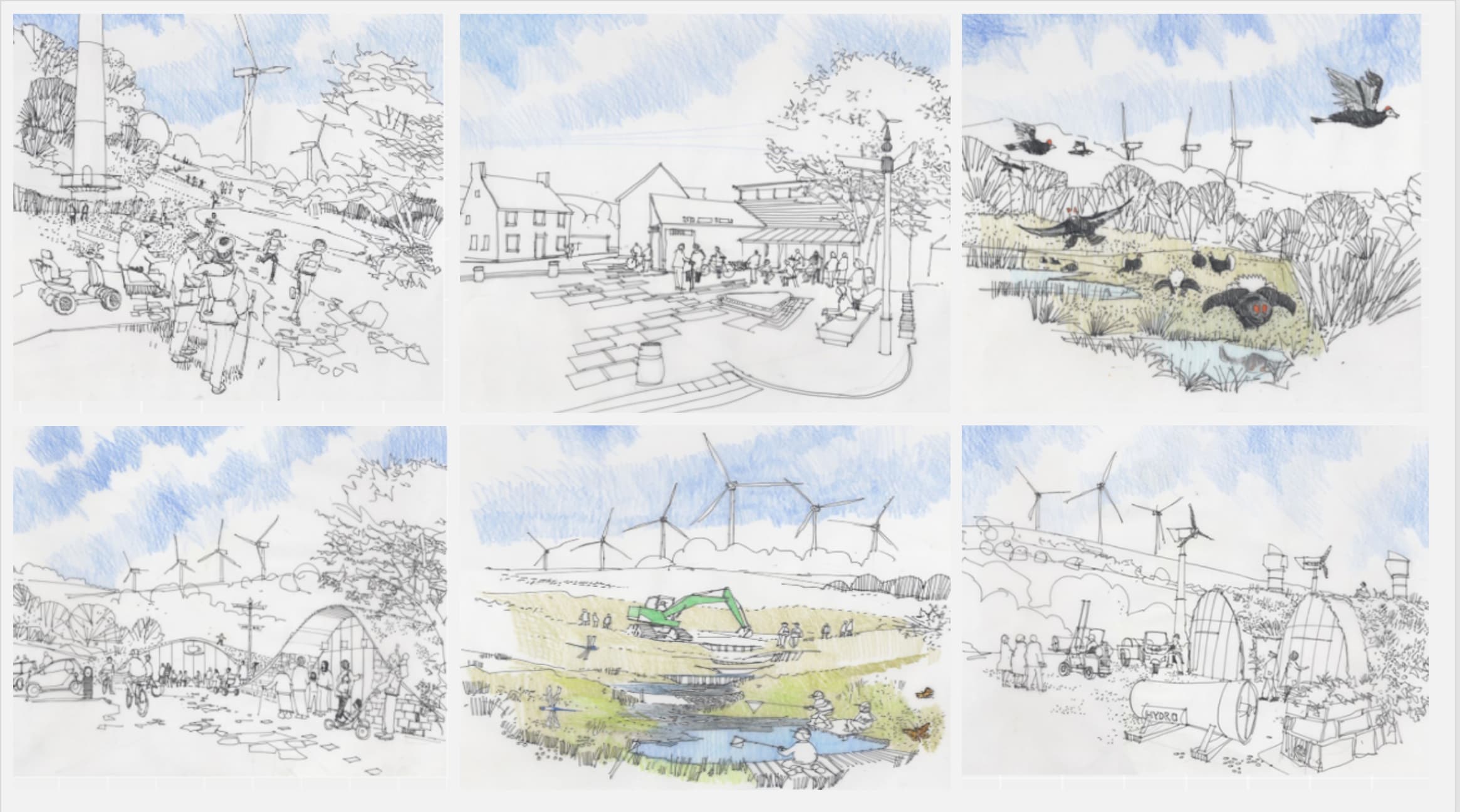
Place Forum 3: Thinking big, thinking beyond
Learn More
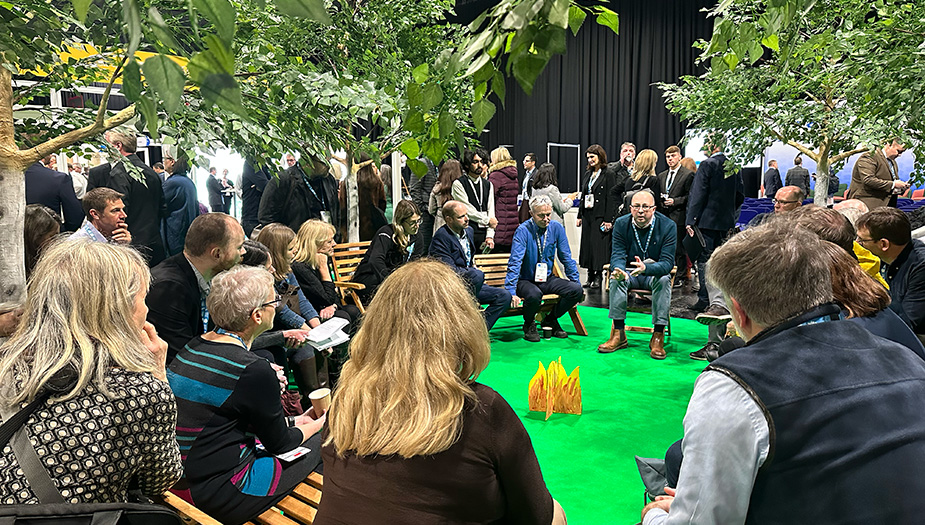
Learning Places Scotland conference
Learn More
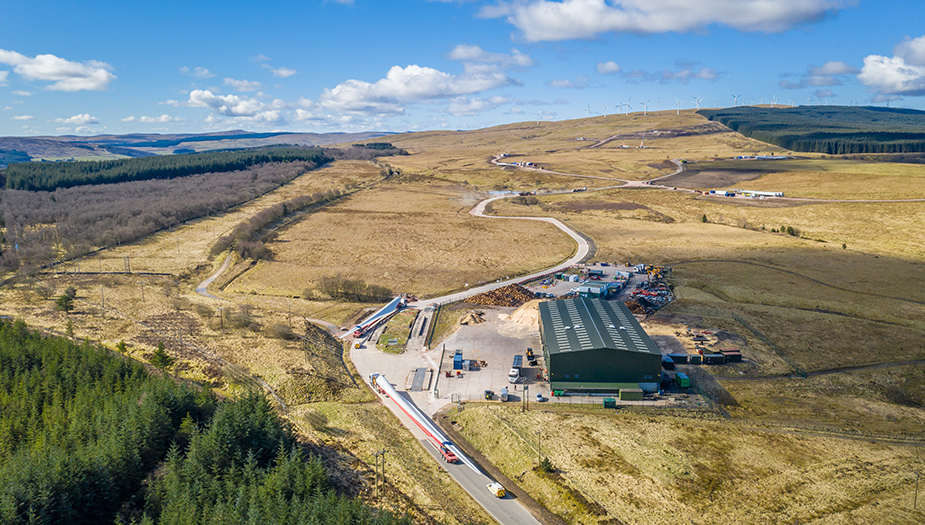
International keynote speaker announced for Place Forum: Thinking big, Thinking beyond
Learn More
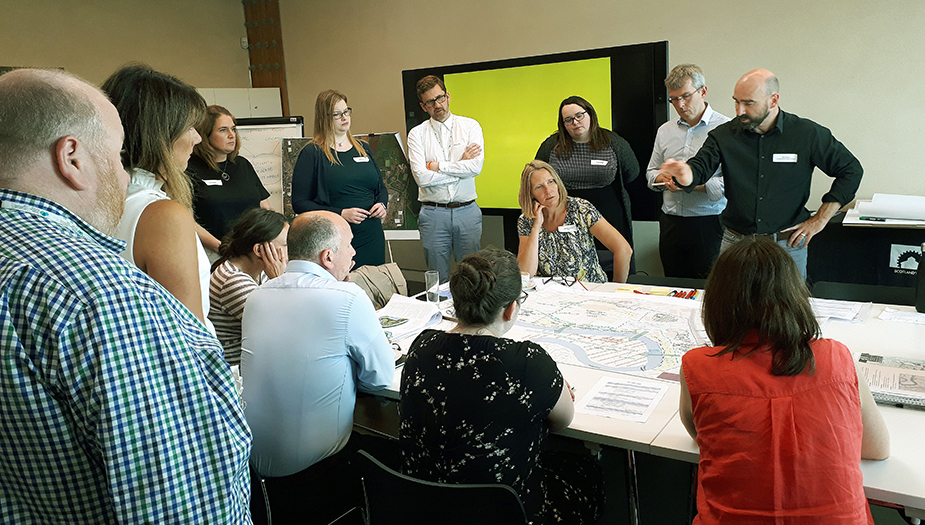
Helping planning authorities to navigate new planning guidance
Learn More
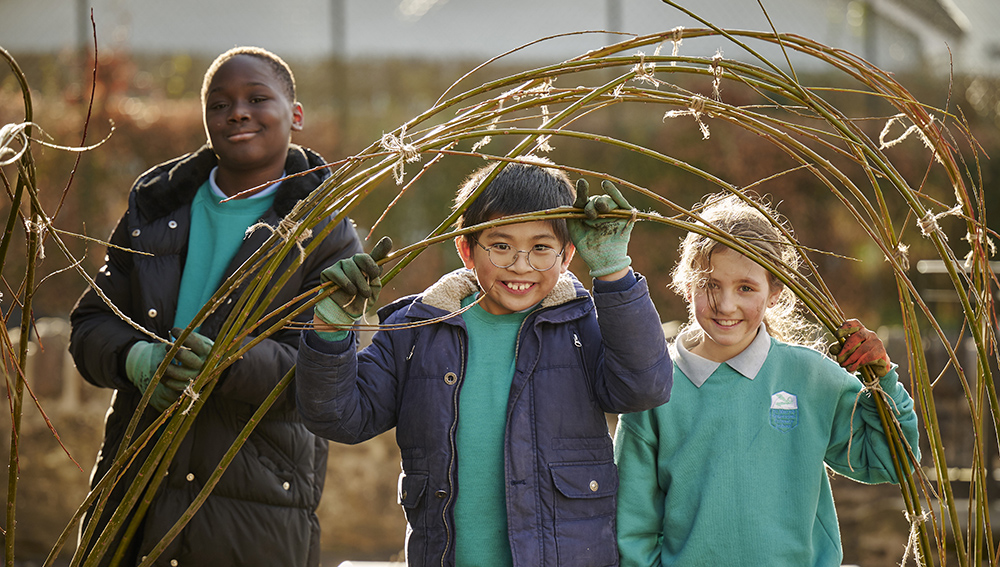
How school grounds can tackle the climate emergency
Learn More

Place Forum - making connections
Learn More
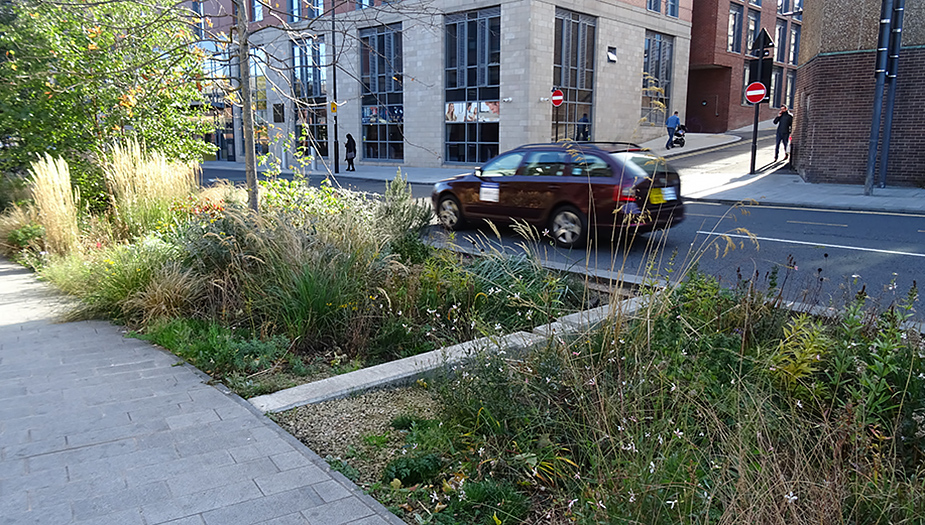
Creating greenspace and biodiversity
Learn More
Community resilience and the climate emergency
Learn More

Scotland's climate week 2023
Learn More

A&DS and RIAS Scottish Student Awards for Architecture 2023
Learn More
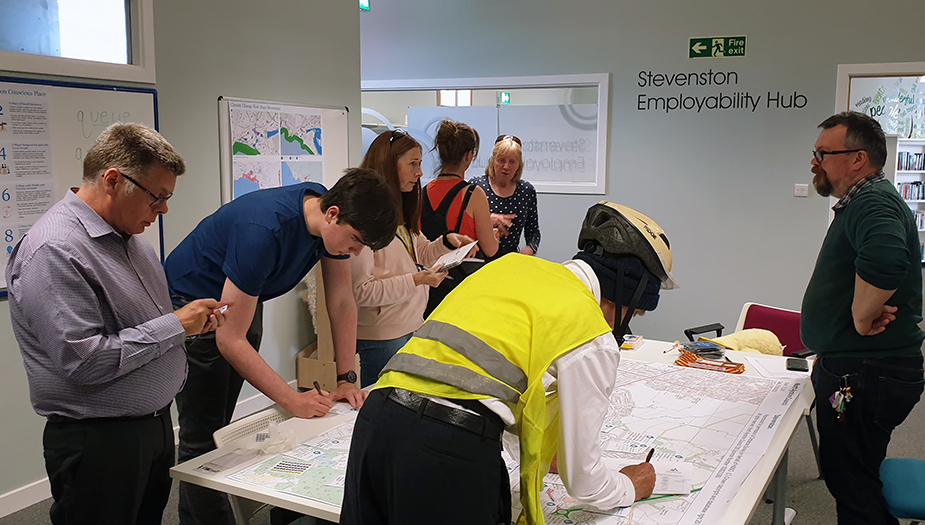
The benefits of community engagement in architecture and planning
Learn More
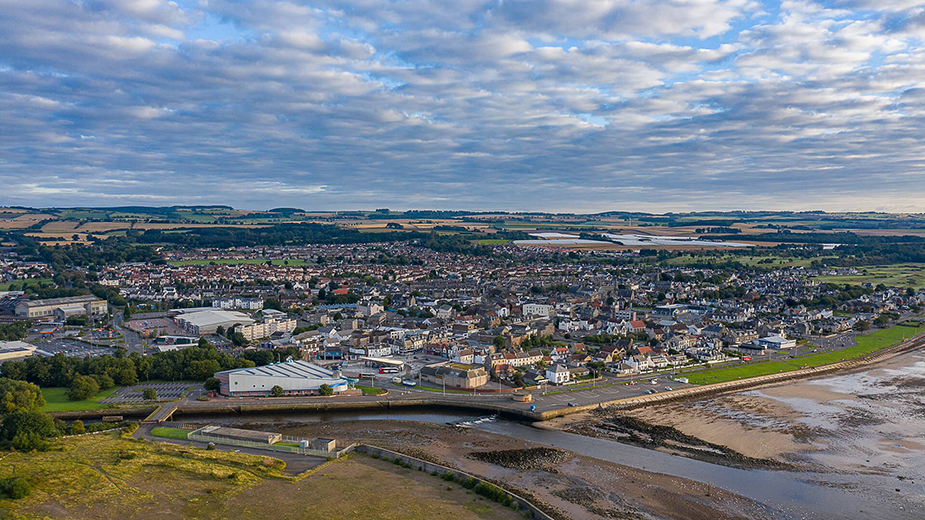
A place-based collaborative approach to Fife’s Local Development Plan
Learn More
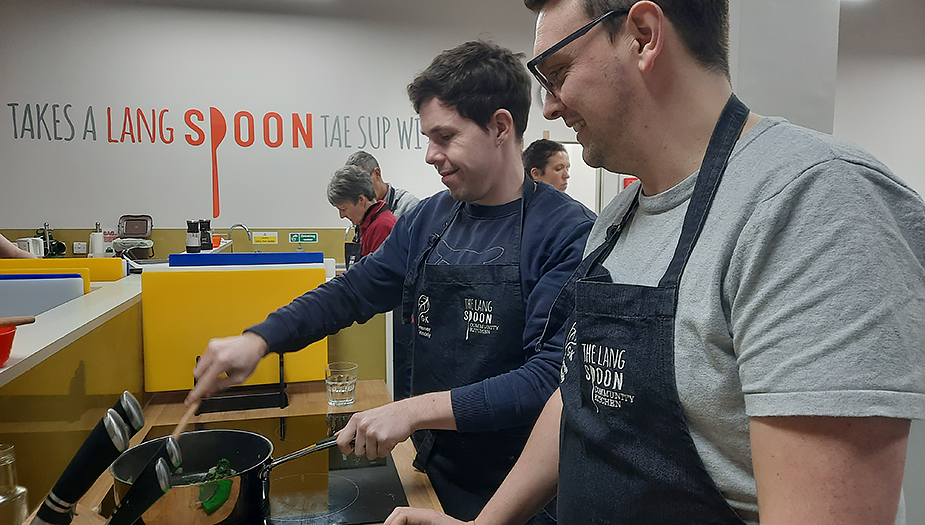
Sharing examples of climate action in Scotland
Learn More
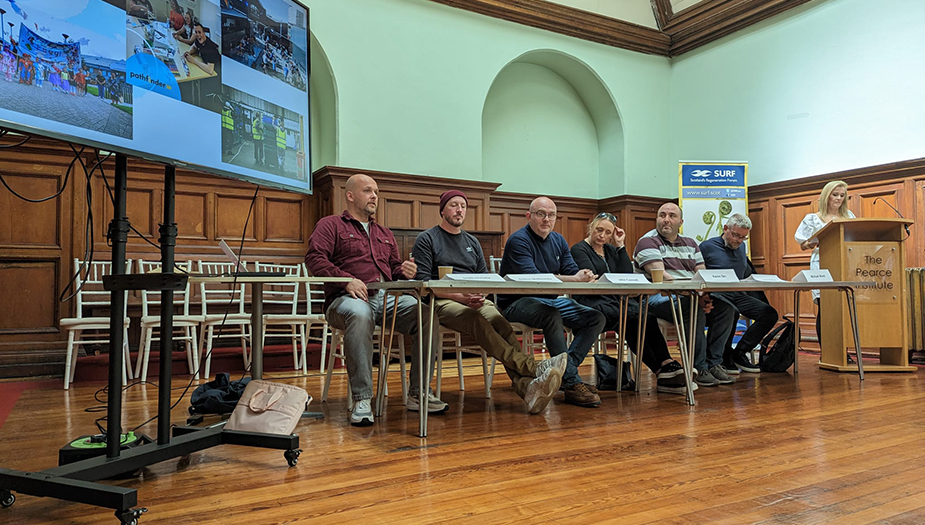
25th Anniversary SURF Awards launched
Learn More
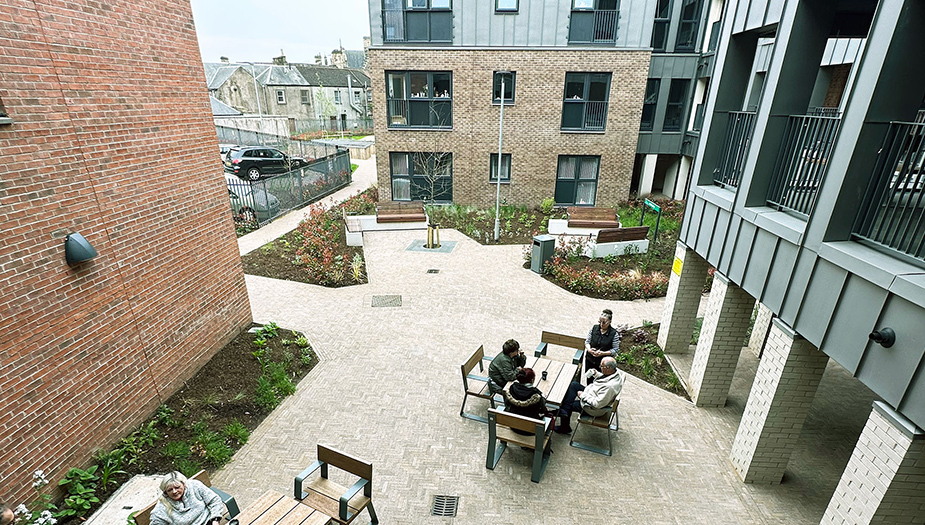
Adapting places to tackle the climate emergency
Learn More
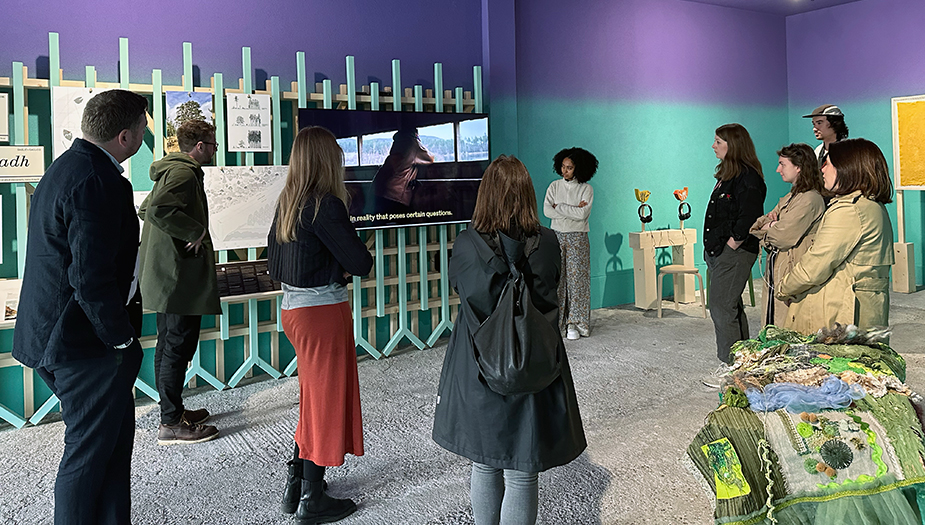
Climate, community and collaboration: Scotland in Venice
Learn More
The Gathering: bringing together the Climate Action Towns
Learn More
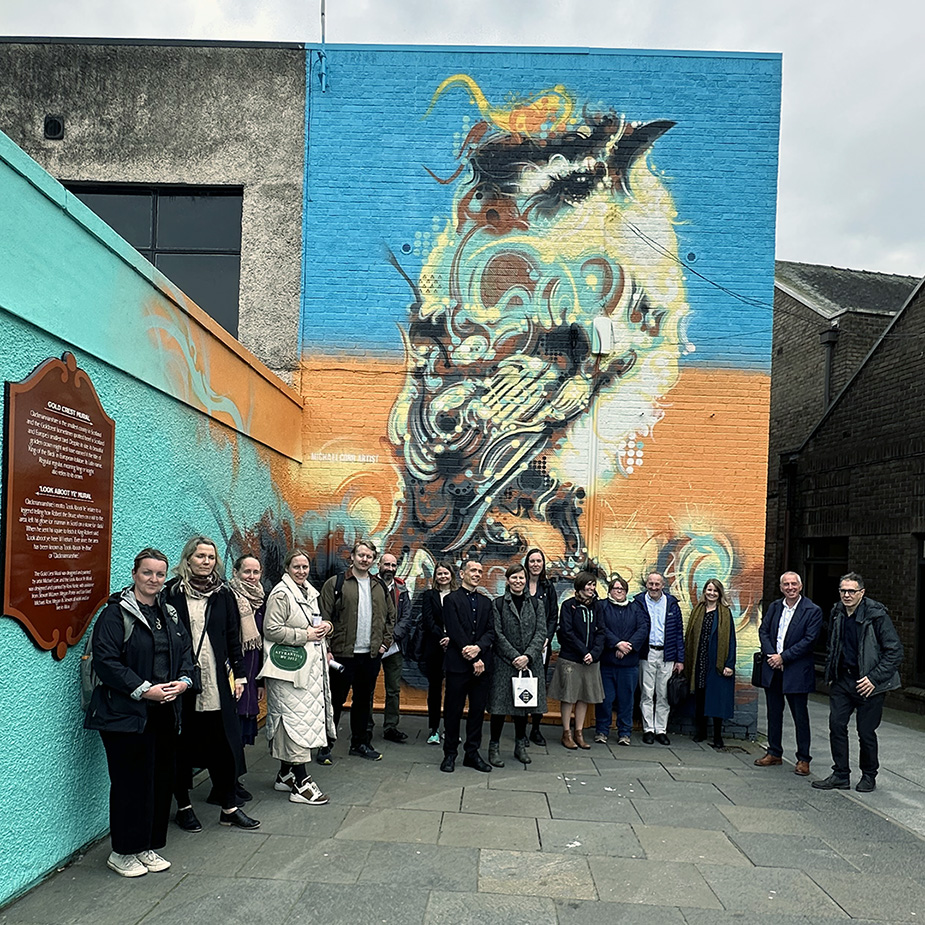
Place Standard Tool: Norwegian colleagues visit to Scotland
Learn More
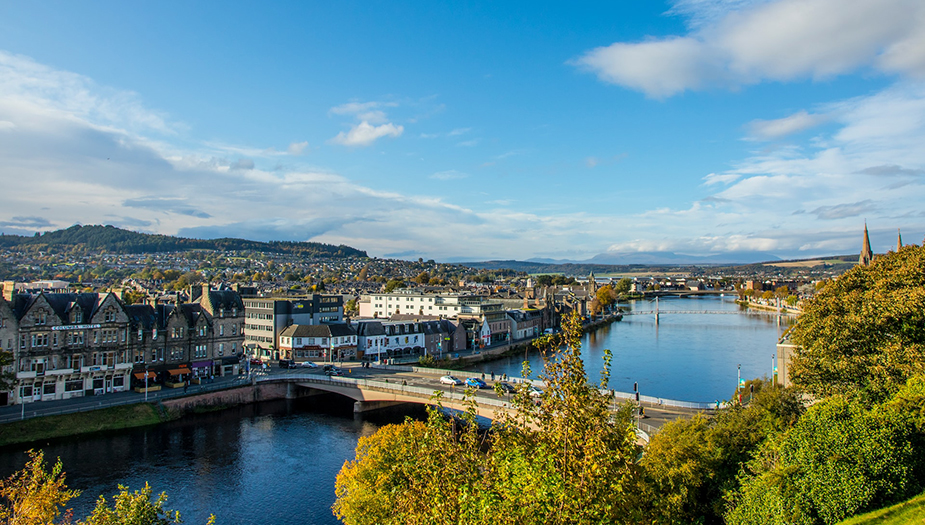
Local Authorities chosen for new Key Agencies Group support offer revealed
Learn More
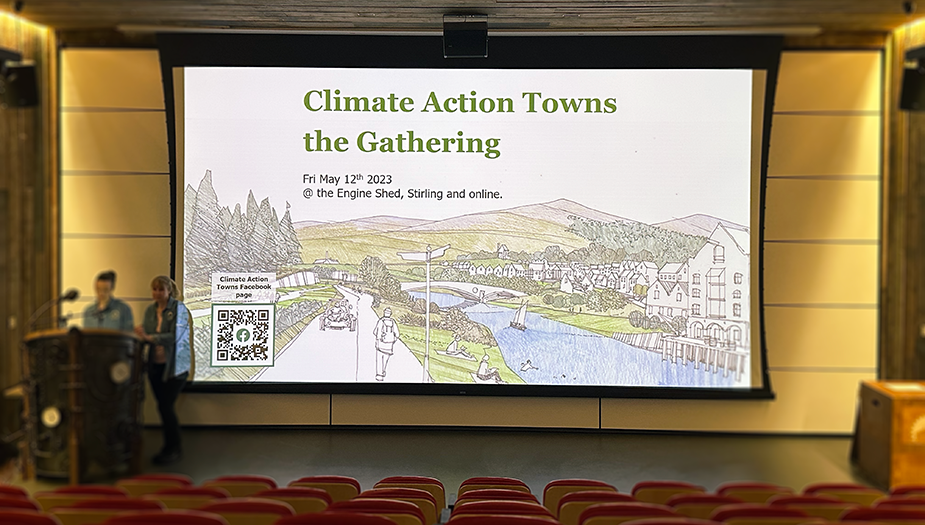
News: Climate Action Towns Gathering
Learn More
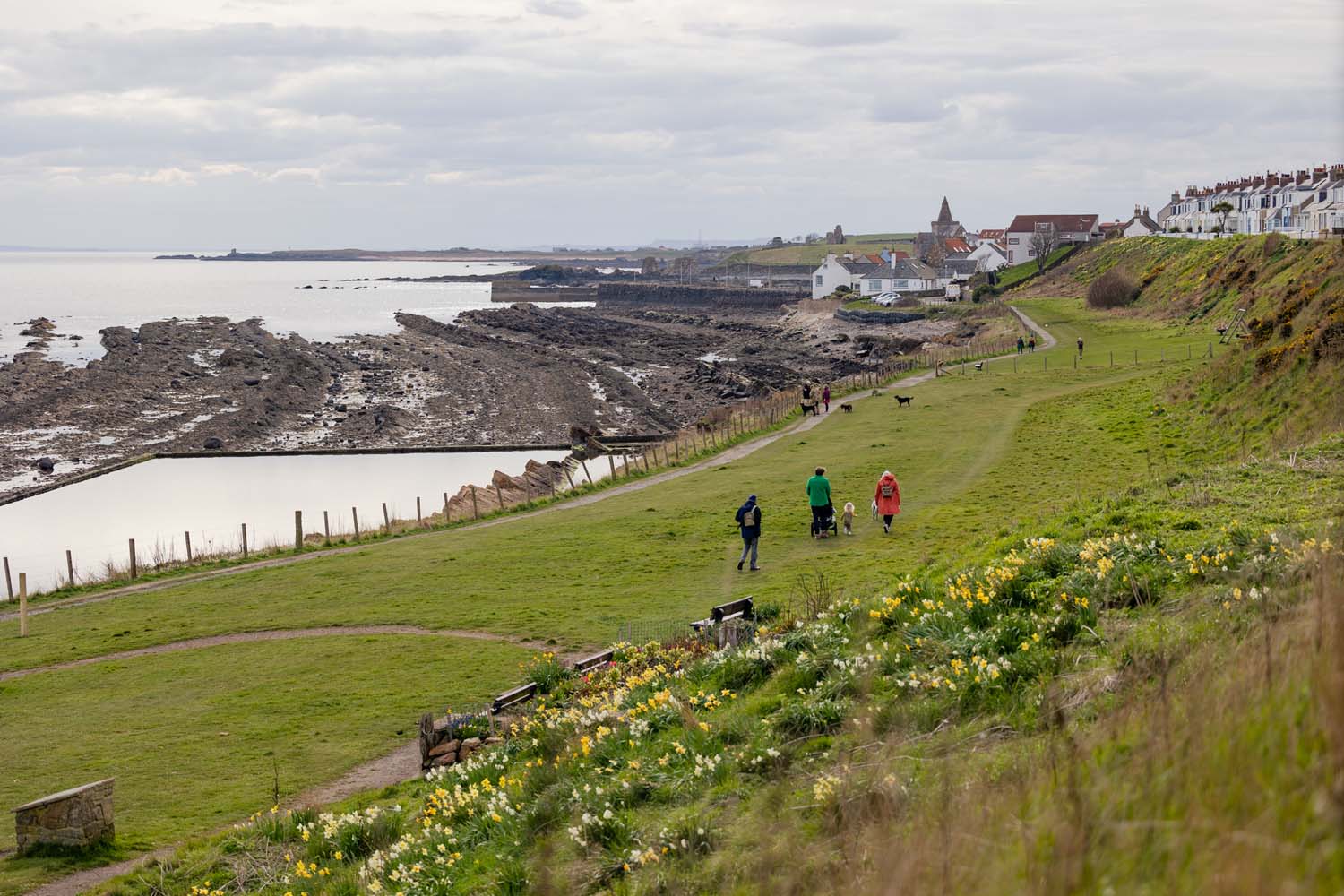
Designing for people's lives
Learn More
A Fragile Correspondence – Scotland + Venice
Learn More
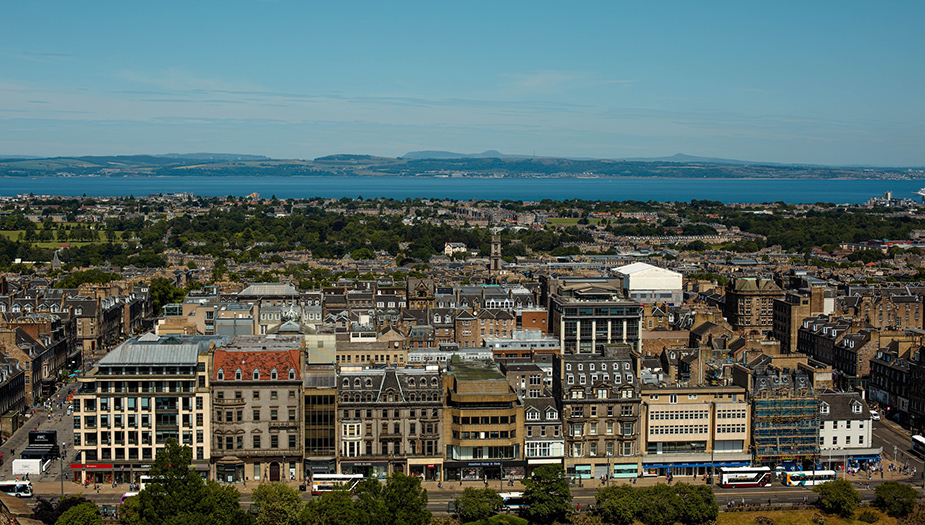
Supporting planning authorities with Local Development Plans
Learn More
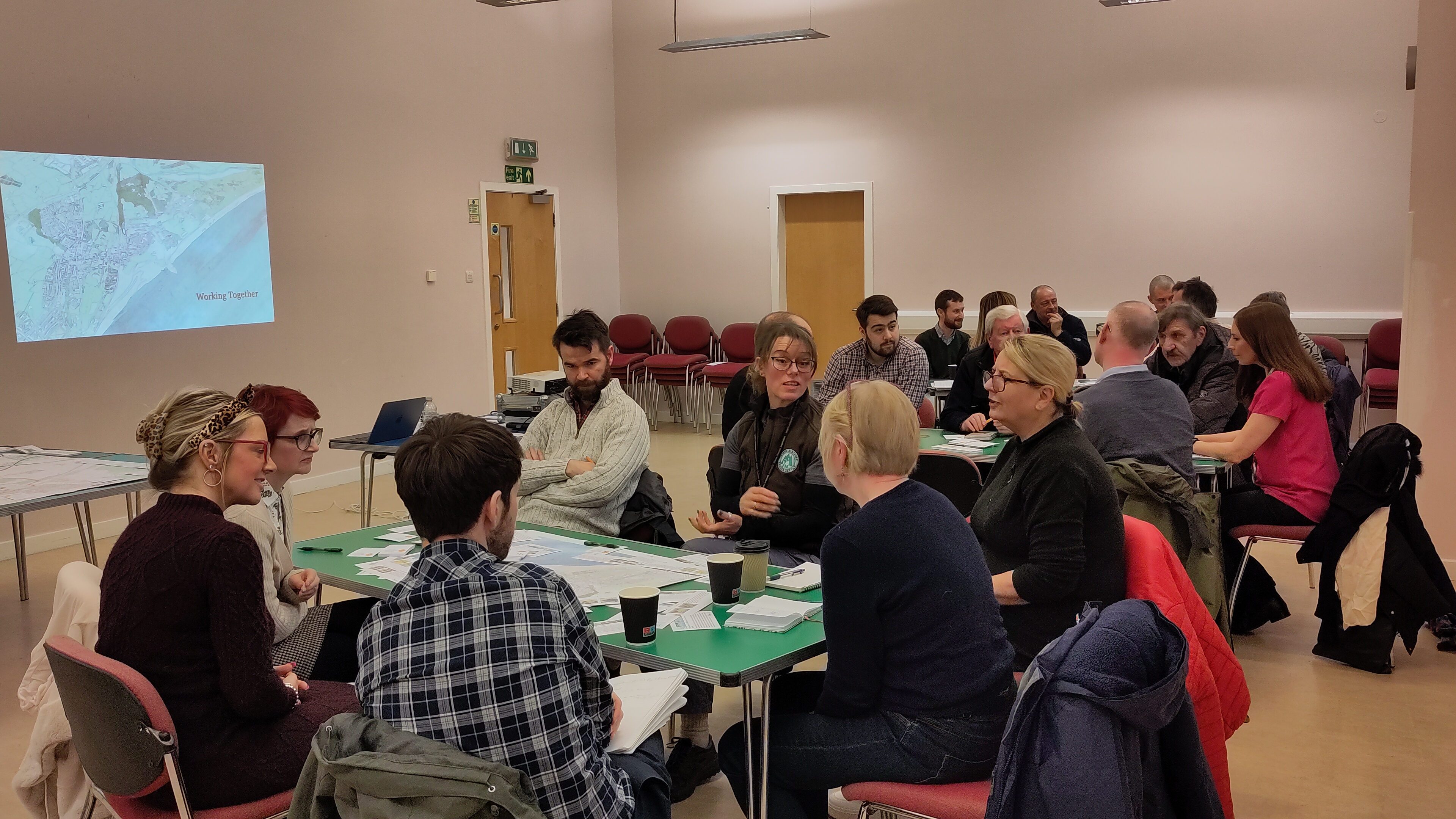
Conversations in Stevenston about adapting to climate risk
Learn More

Using the Young Scot National Entitlement Card to support young people experiencing poverty
Learn More
Better off in work
Learn More
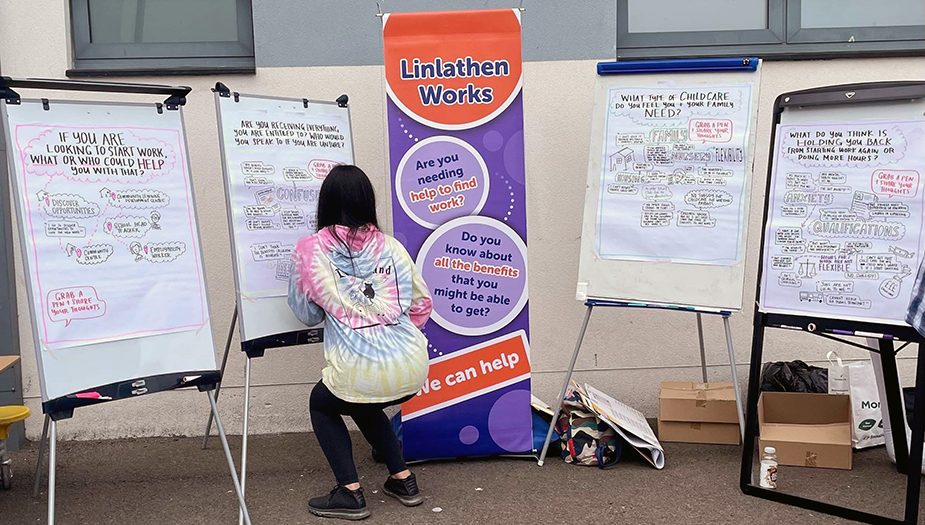
Child poverty place-based initiatives in the Scottish Government
Learn More
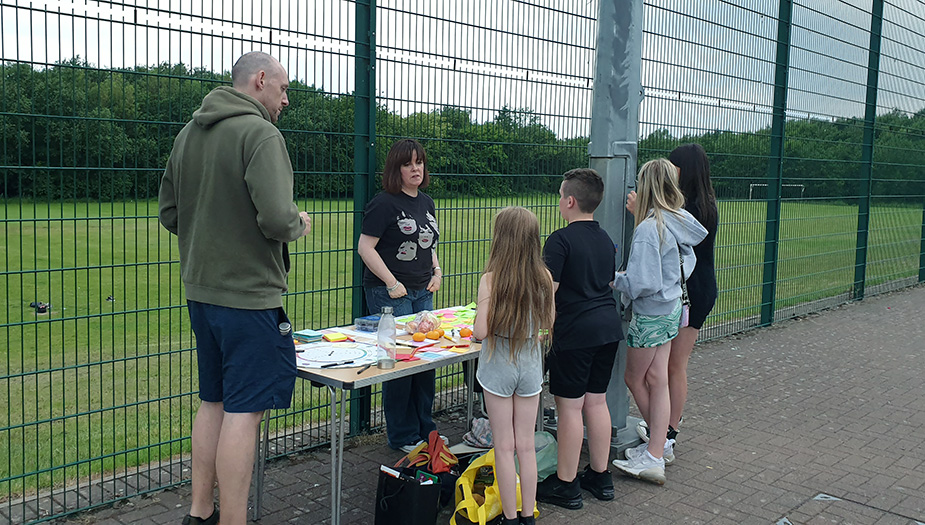
Co-benefits of climate mitigation and community empowerment
Learn More
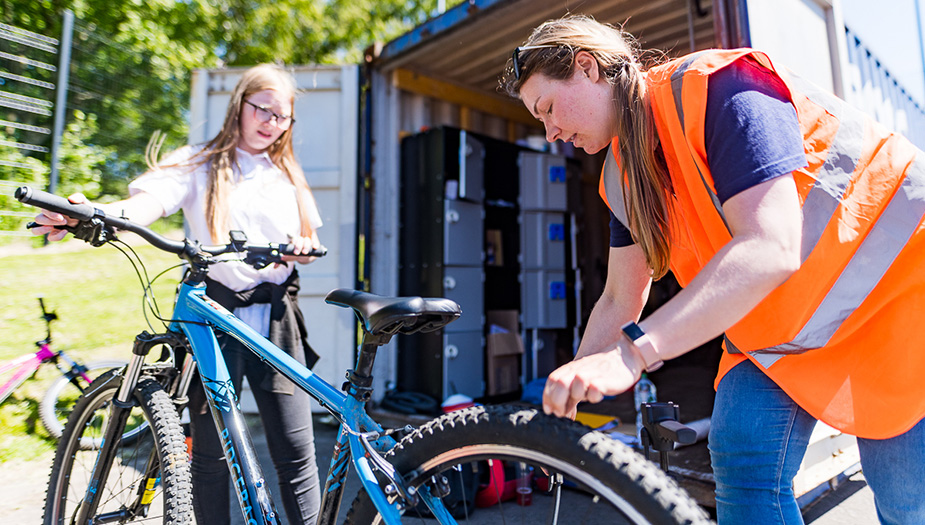
Supporting young people living in poverty to access bikes through their schools
Learn More
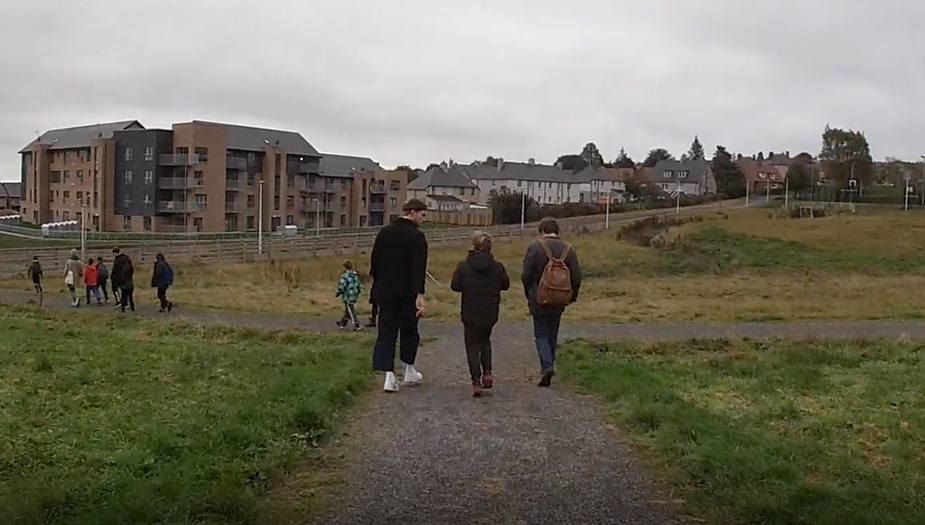
Addressing crisis through child-friendly environments
Learn More
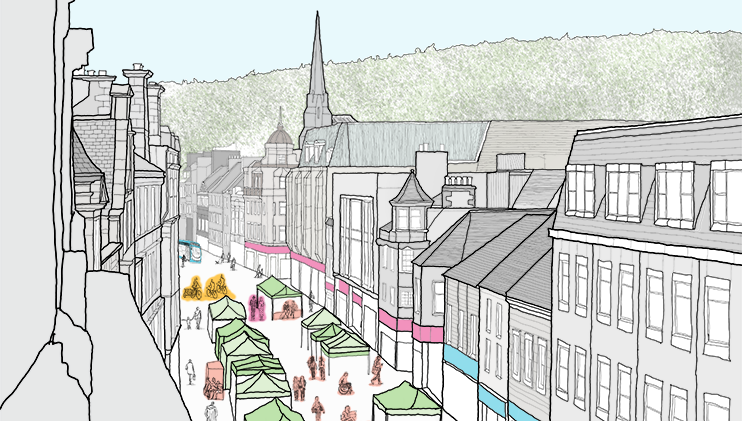
Town centre living: more homes at the heart of great places report
Learn More
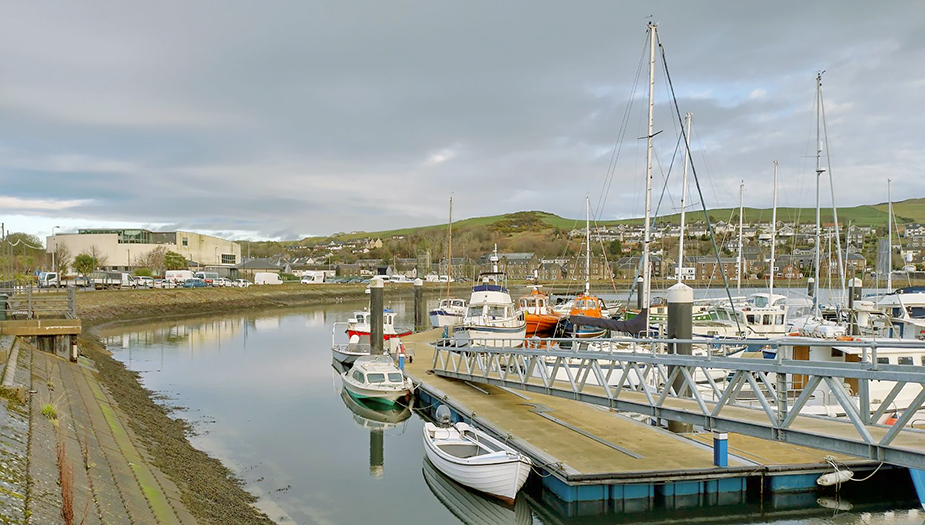
The Winter Gathering in Campbeltown
Learn More
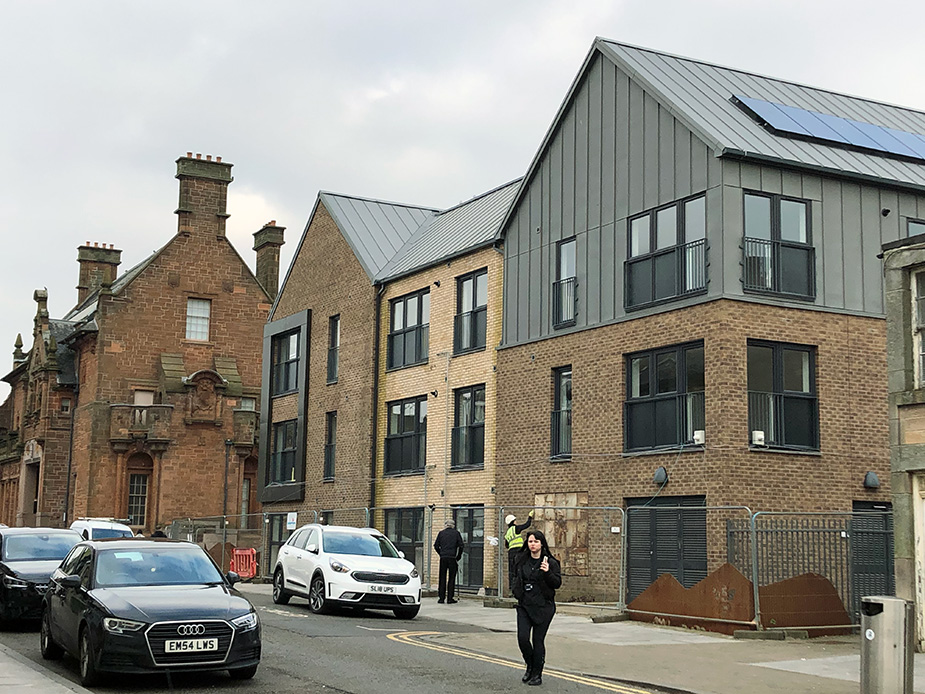
Town centre living: Primrose Street, Alloa
Learn More
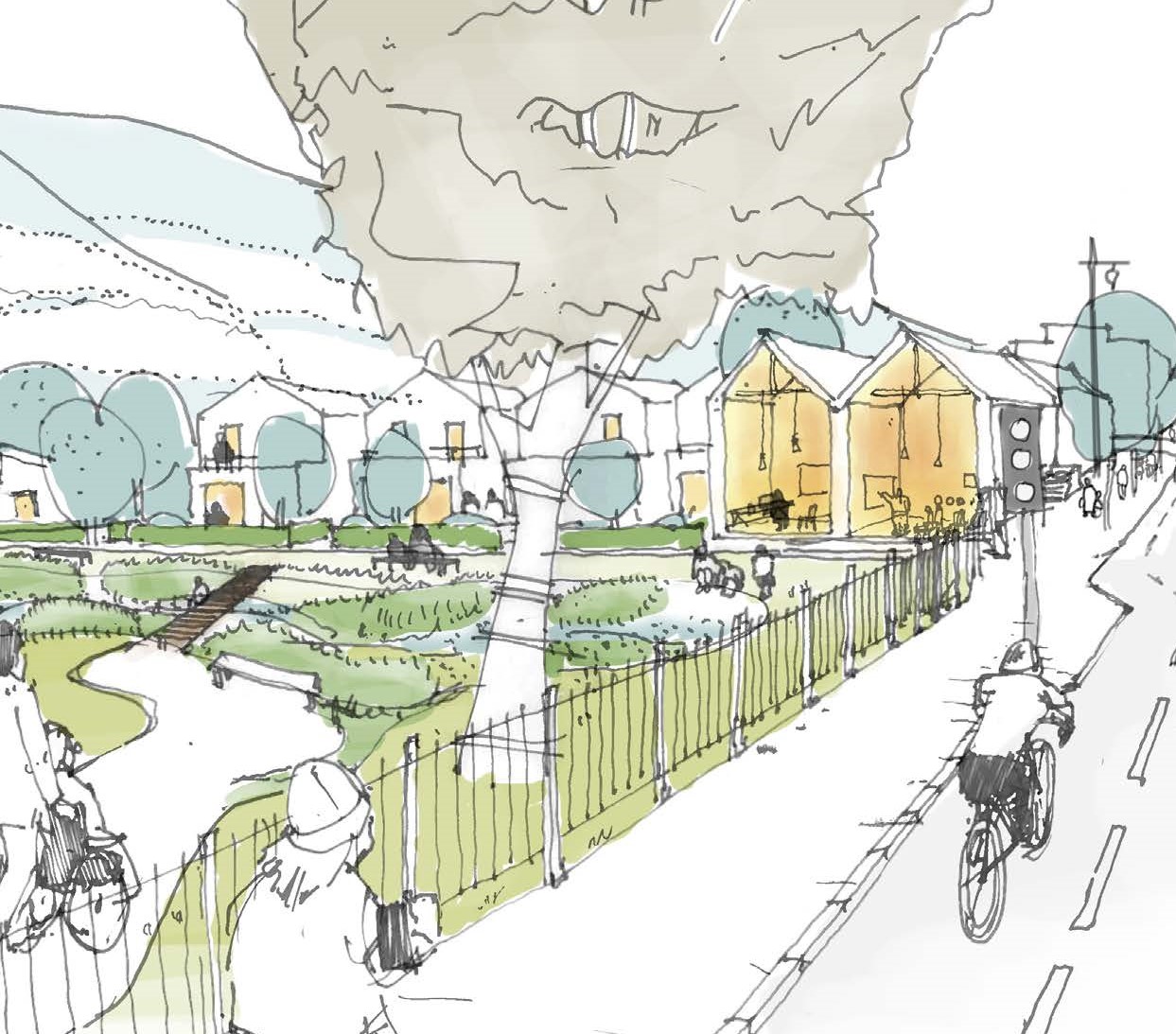
Alva Pathfinder Project: reflections one year on
Learn More
Reflections and projections – Scotland’s design agency celebrates achievements
Learn More
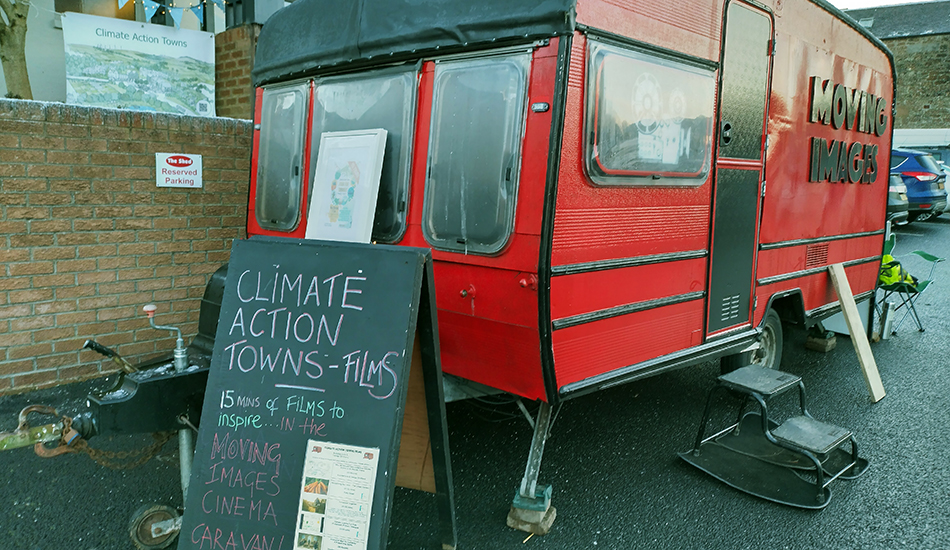
Climate ready Annan
Learn More
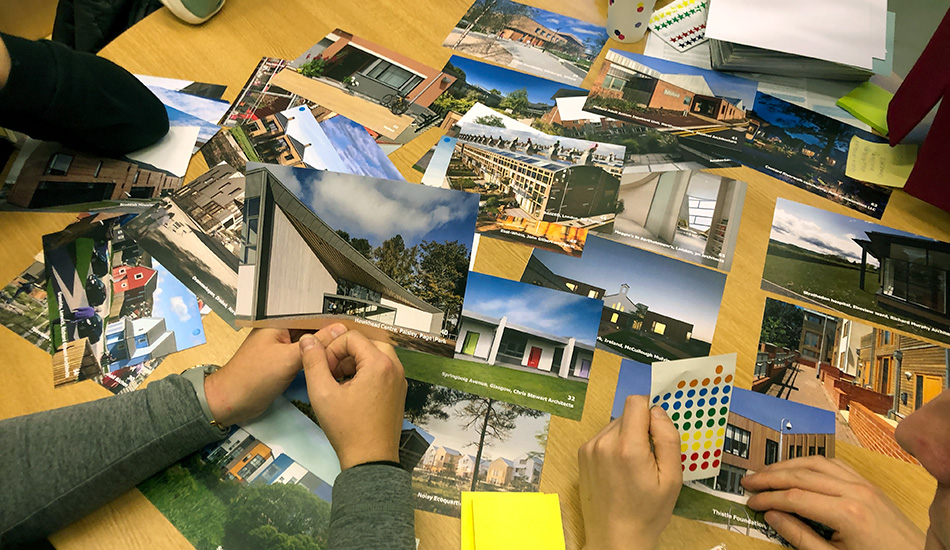
Collaborating with Capability Scotland to reimagine flagship specialist care
Learn More
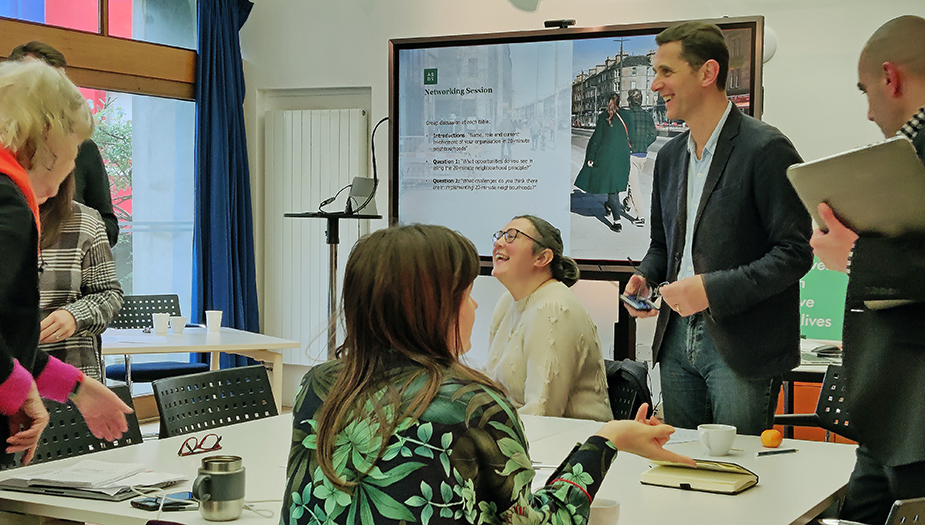
LAUDF16: Collaborative approaches to 20-minute neighbourhoods
Learn More
The 2022 SURF Awards for best practice in community regeneration
Learn More
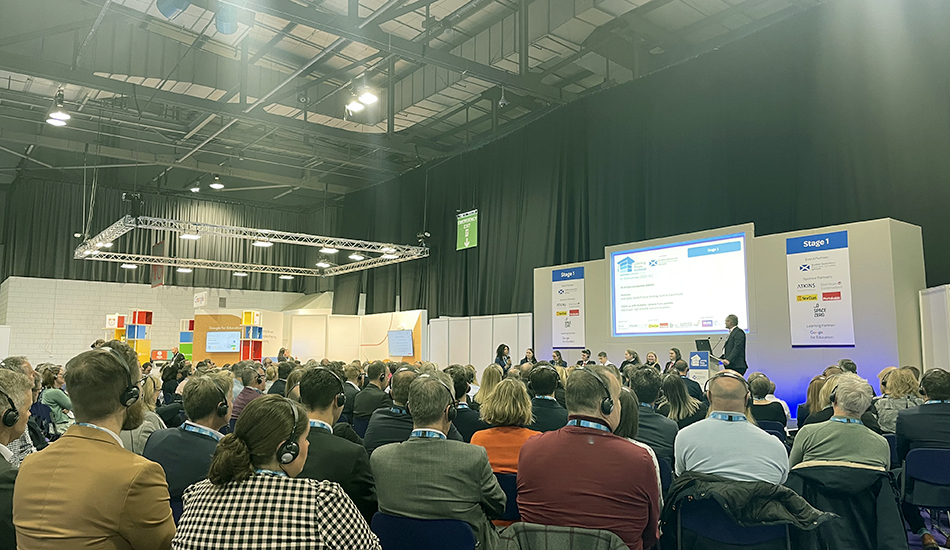
Reflections on the sustainable estate
Learn More
A&DS and RIAS Scottish Student Awards for Architecture 2022: interviews
Learn More

Five lessons from our recent Climate Action Towns gathering
Learn More
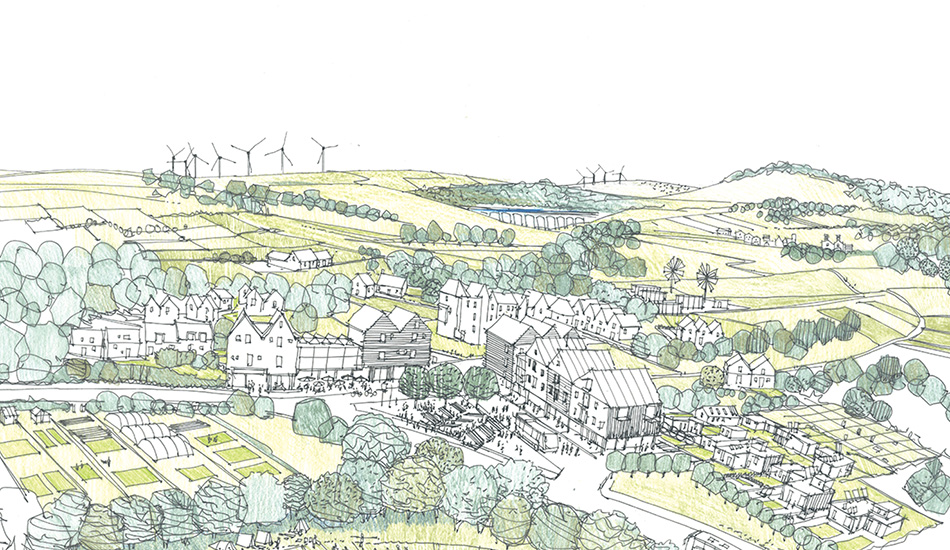
Two new towns join Climate Action Towns Project
Learn More
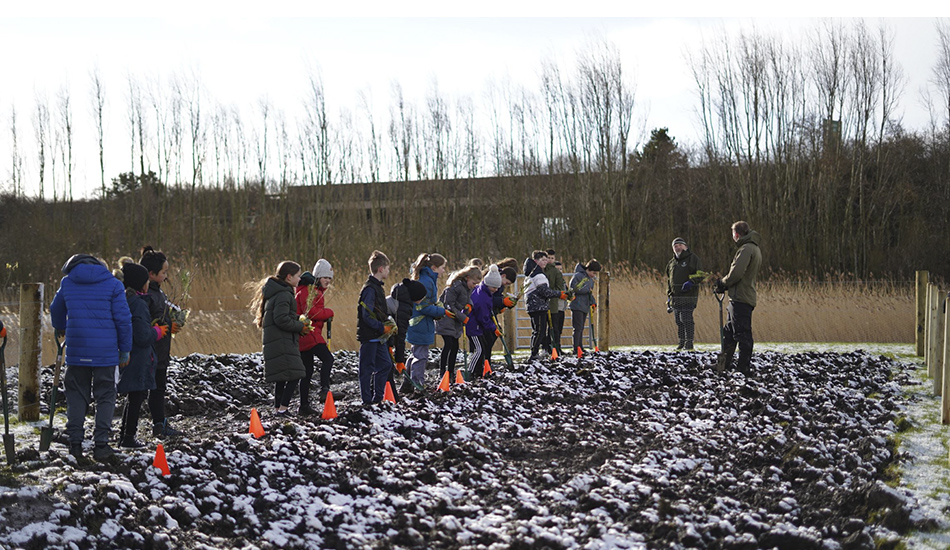
Making places for outdoor learning
Learn More

Heather Claridge appointed Director of Design
Learn More
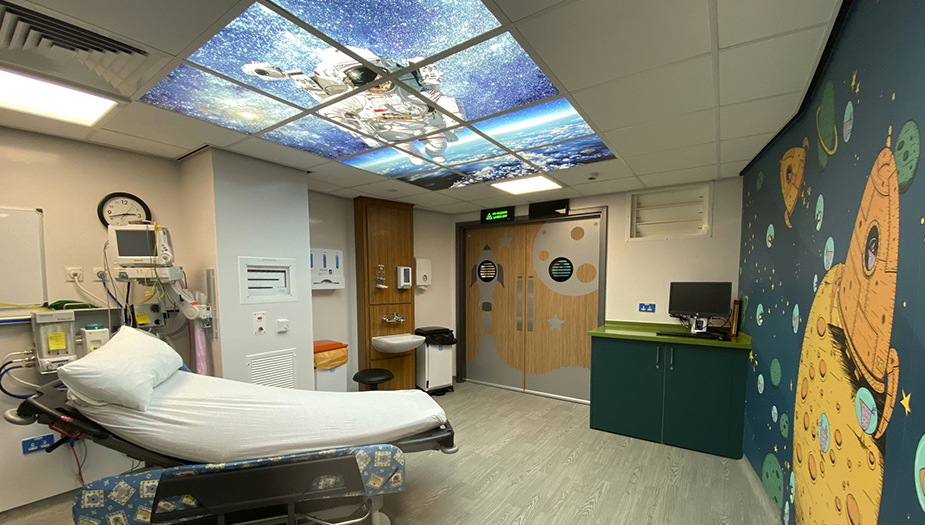
NHS Assure Design Excellence Awards: Winners and shortlisted projects
Learn More
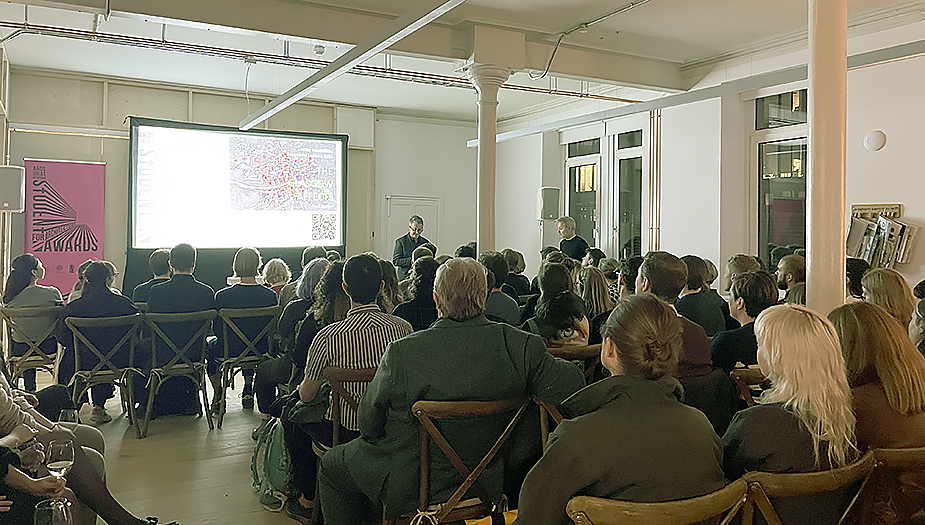
A&DS and RIAS Student Awards for Architecture 2022
Learn More
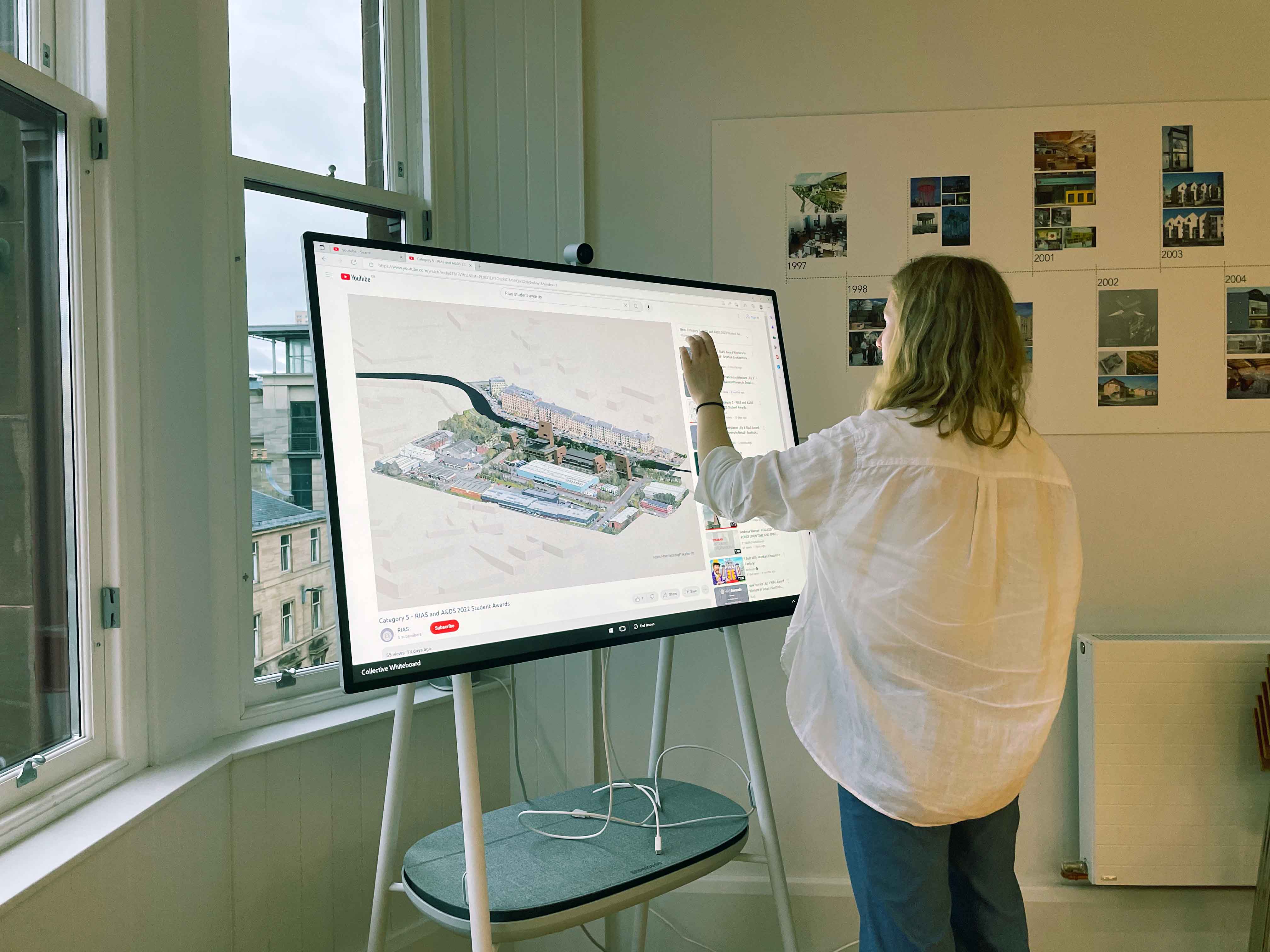
Student awards 2022: the winners have been announced
Learn More

A&DS and RIAS Student Awards for architecture 2022 - shortlist
Learn More
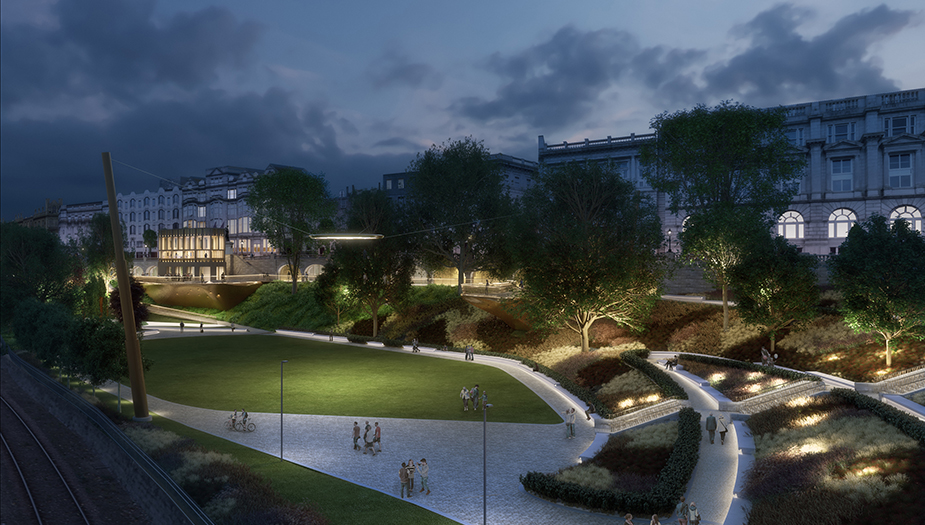
Five takeaways from RTPI Scotland’s annual conference in Aberdeen
Learn More
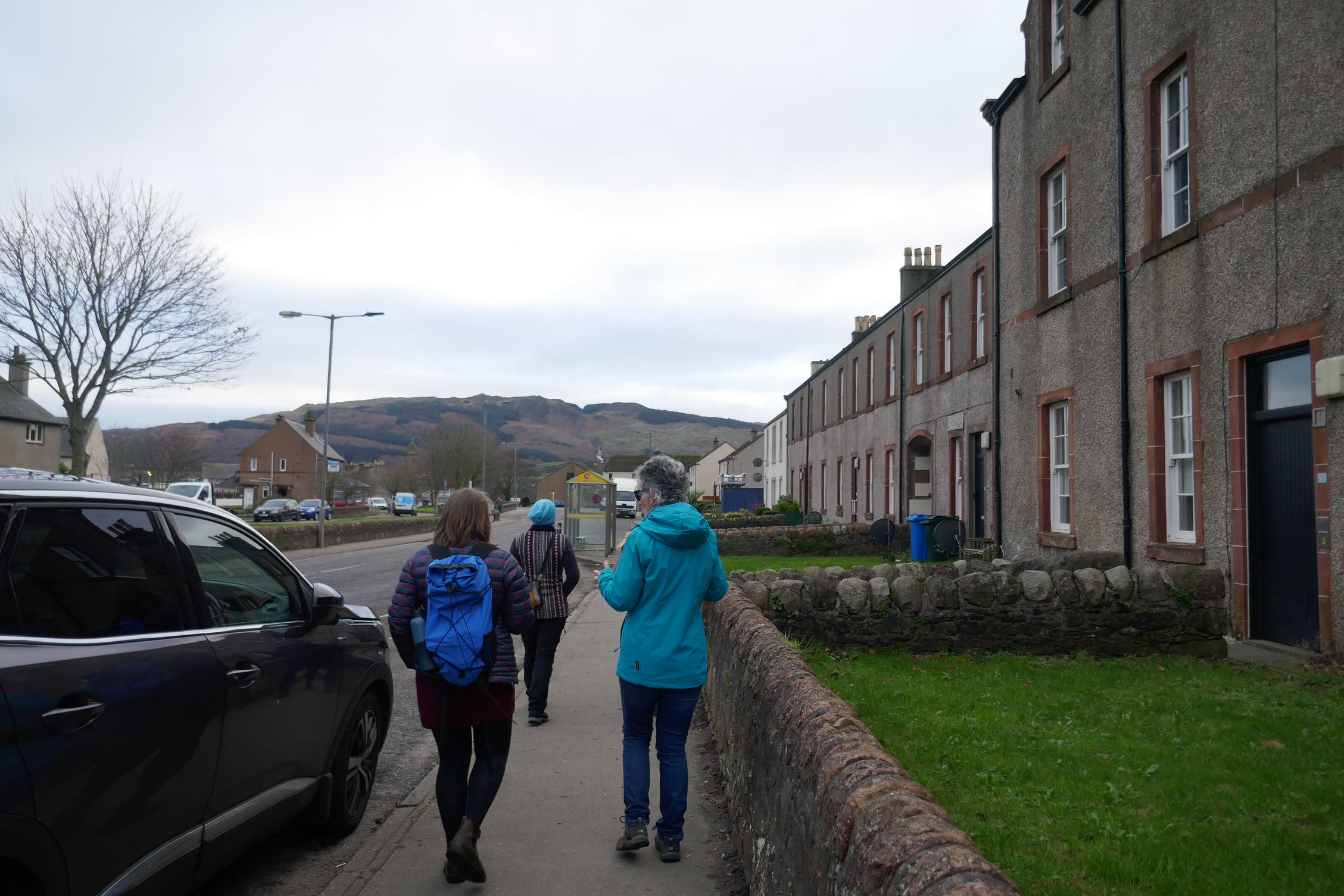
How we work to tackle the climate emergency
Learn More
Delivering community climate action plans in Scotland
Learn More
Shaping places for wellbeing
Learn More
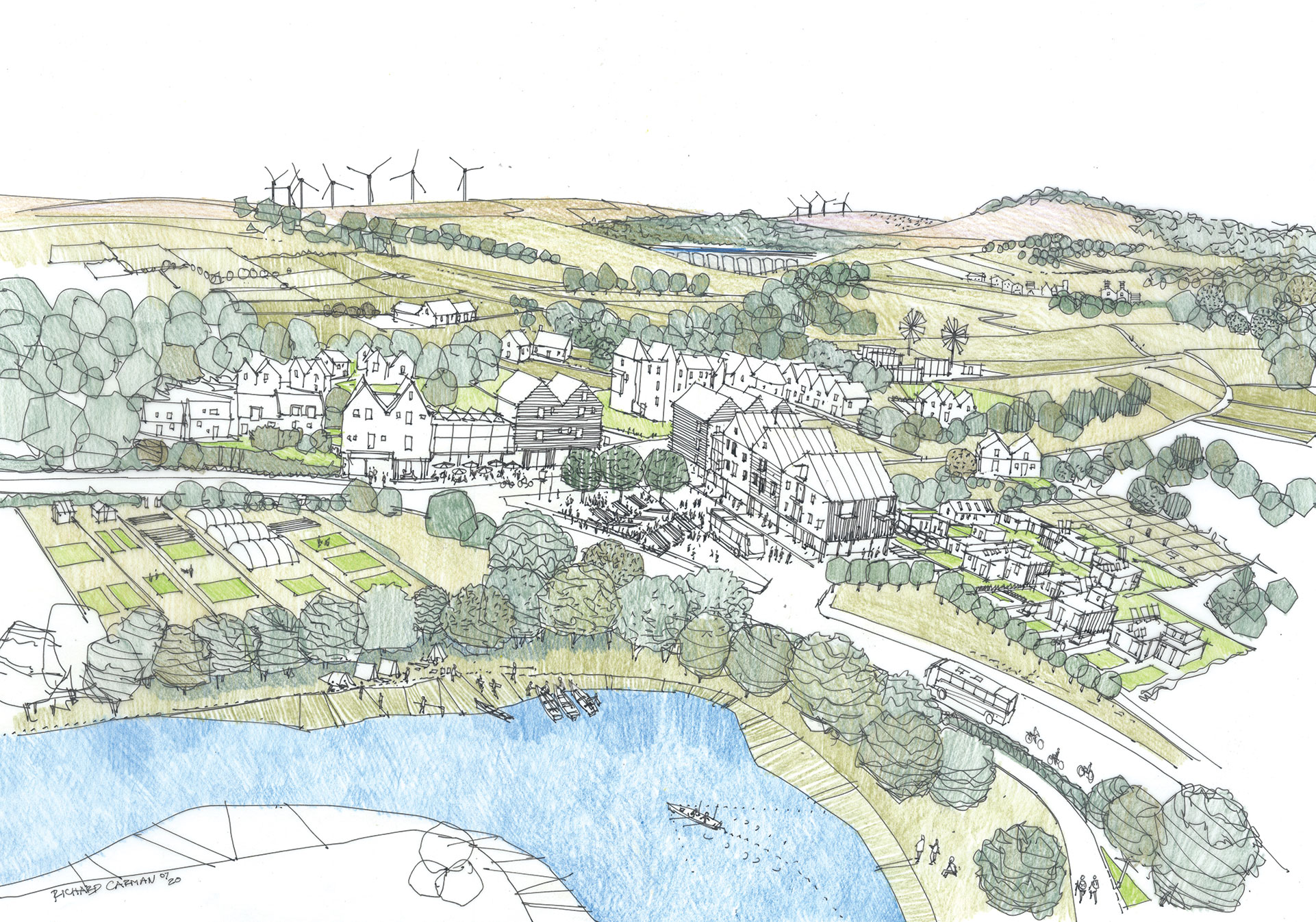
How Scotland’s towns and villages can help tackle the climate emergency
Learn More
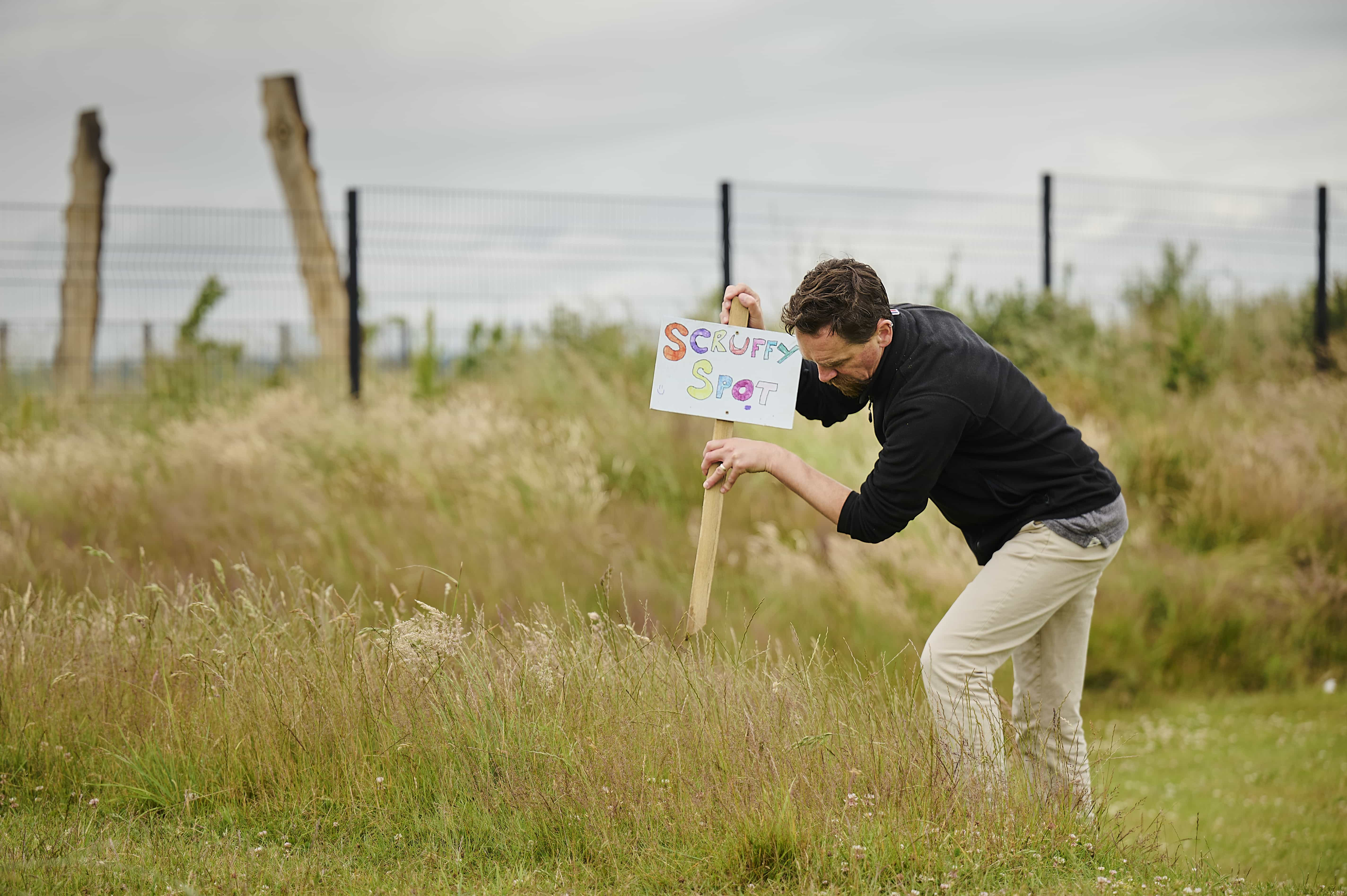
How can schools help tackle climate change?
Learn More
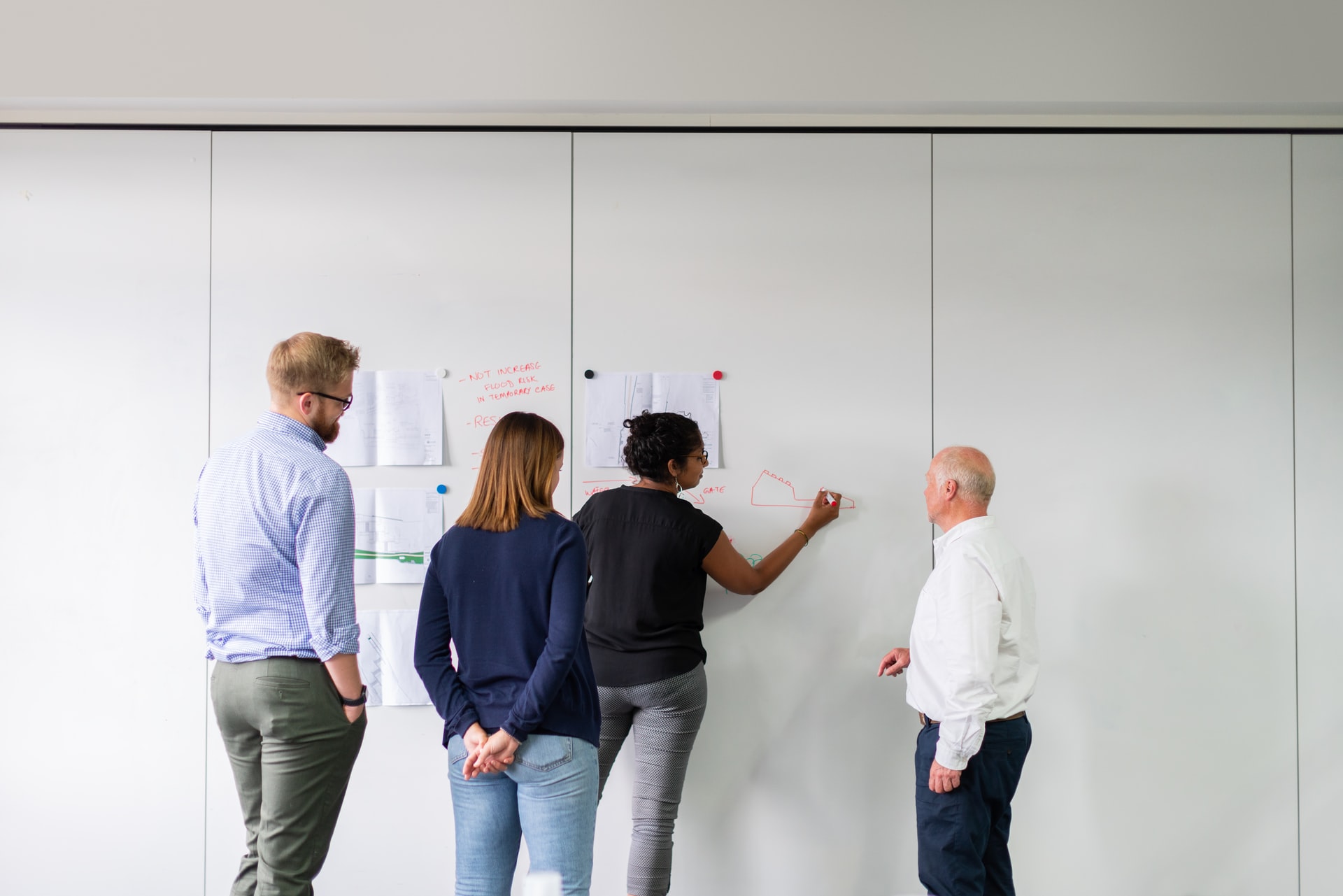
Knowledge exchange on 20-minute neighbourhoods
Learn More
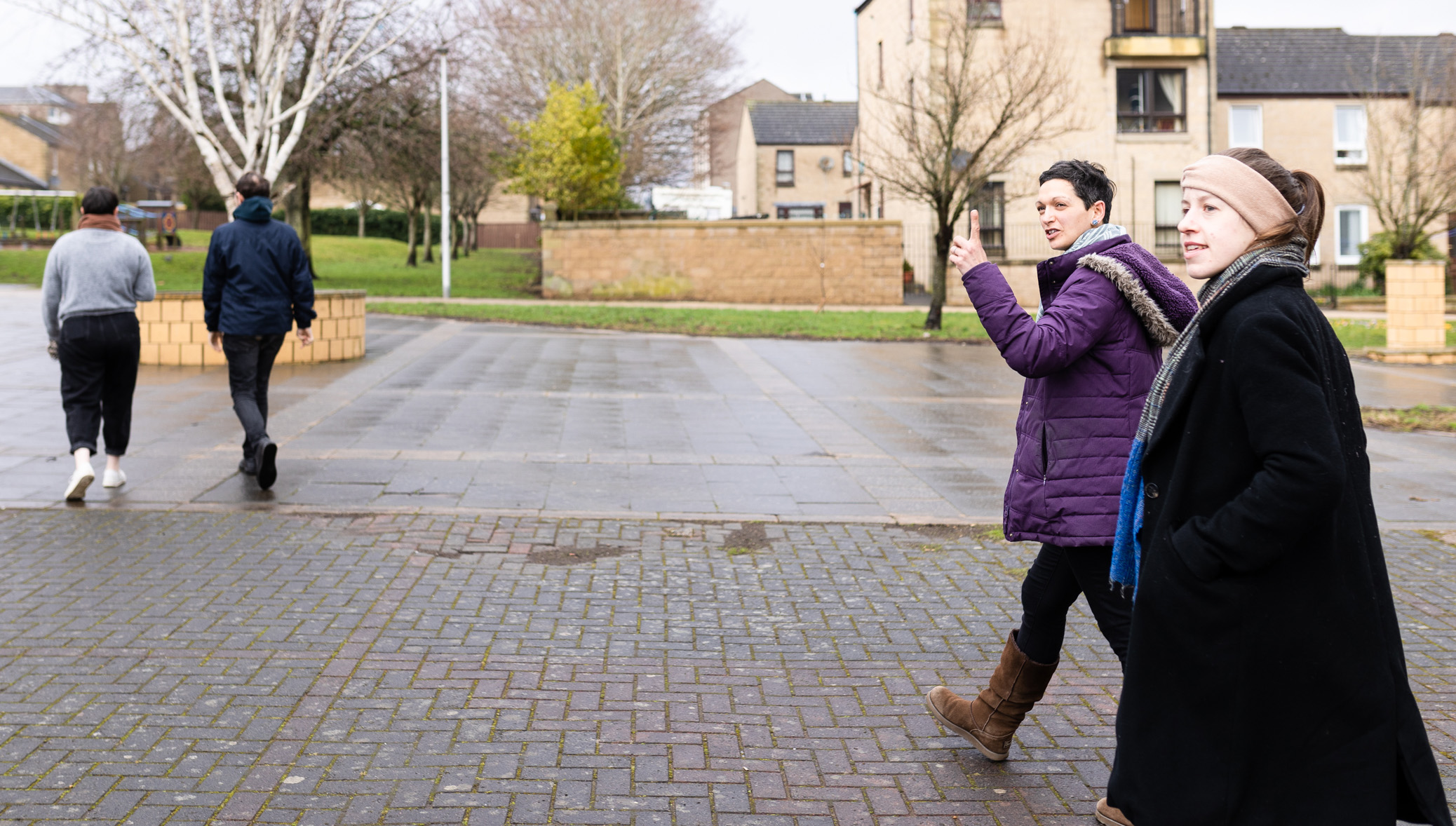
What is a 20-minute neighbourhood?
Learn More
Reflections on ‘A river runs through it’ report
Learn More
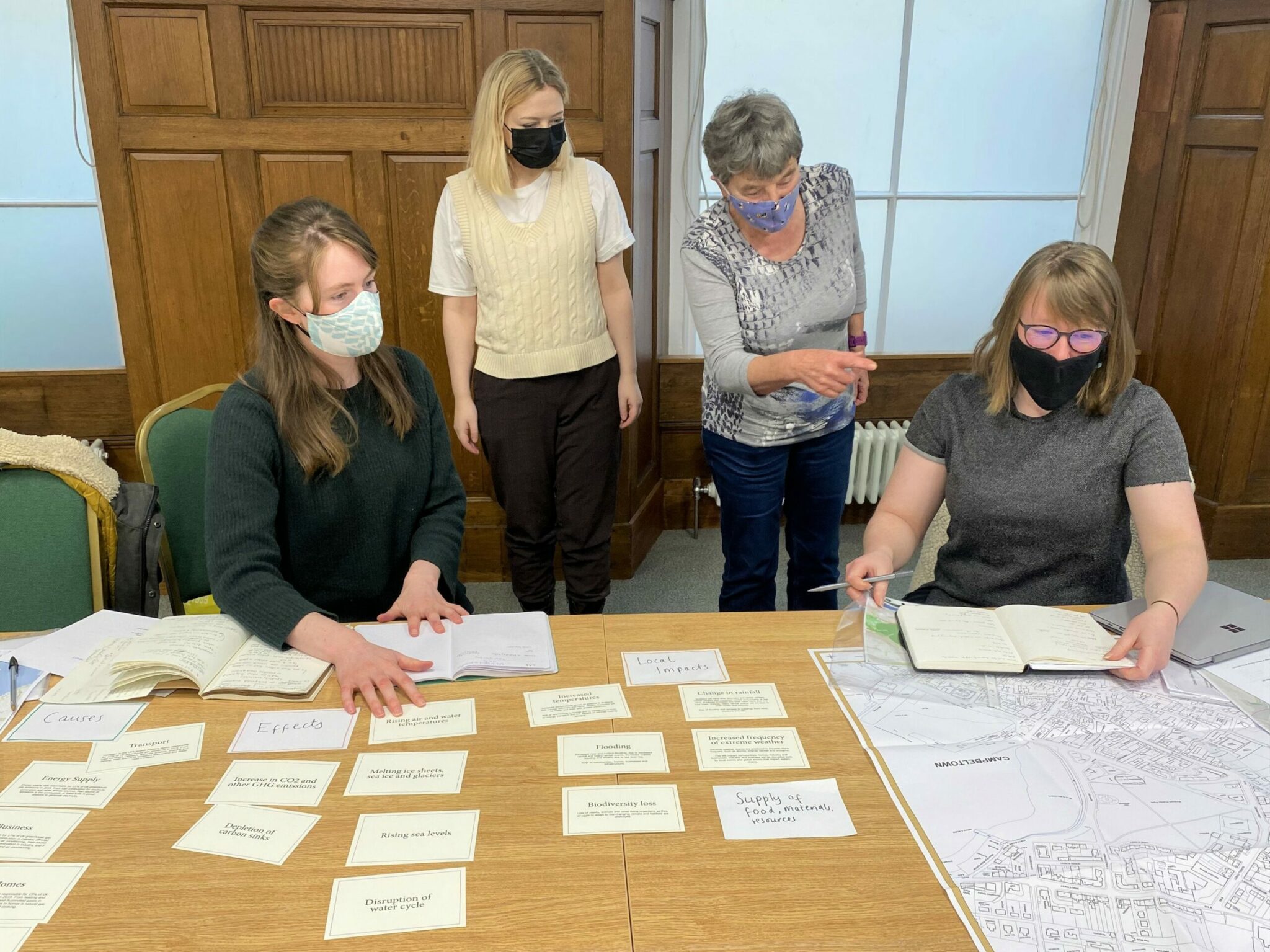
Climate Action Towns funded for a second year
Learn More
A&DS and RIAS Scottish Student Awards for Architecture 2022
Learn More

Five lessons learned from taking climate action at a local level
Learn More

Green recovery: a cross-agency approach
Learn More
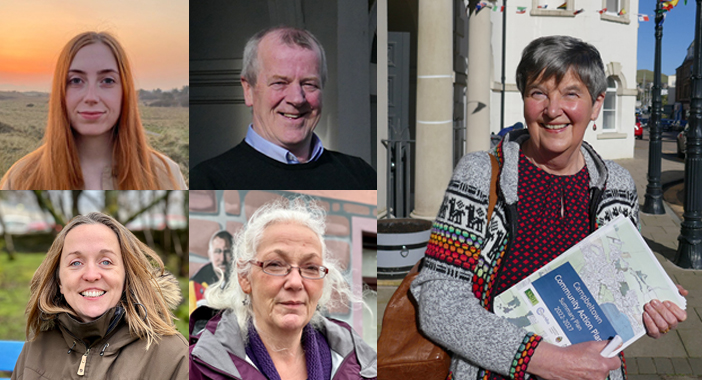
Reflections from year one of the Climate Action Towns project
Learn More
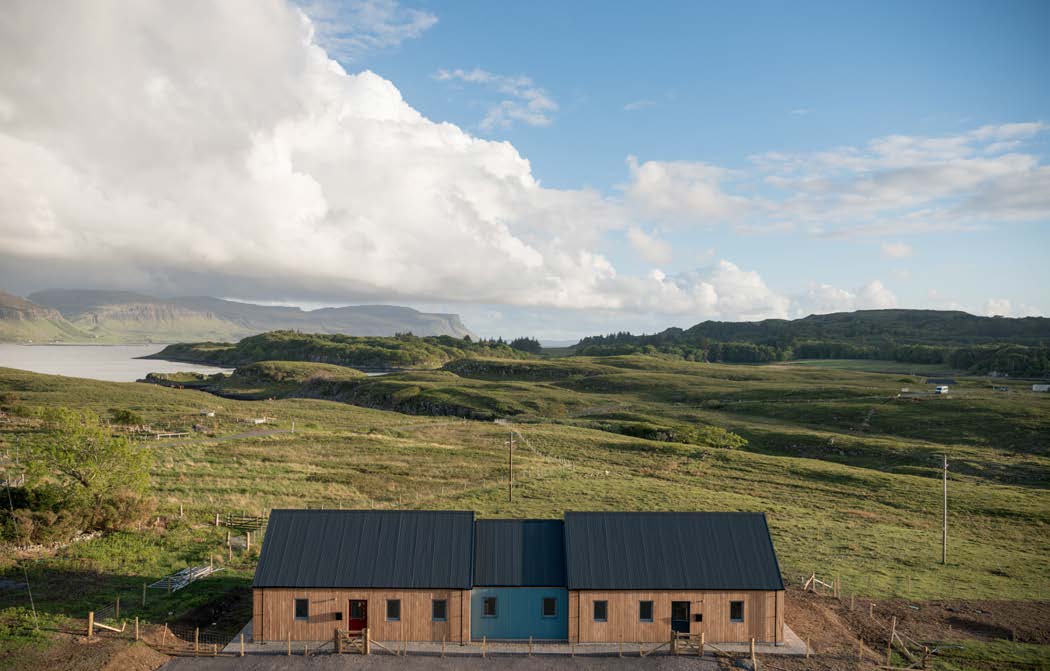
Rural futures
Learn More
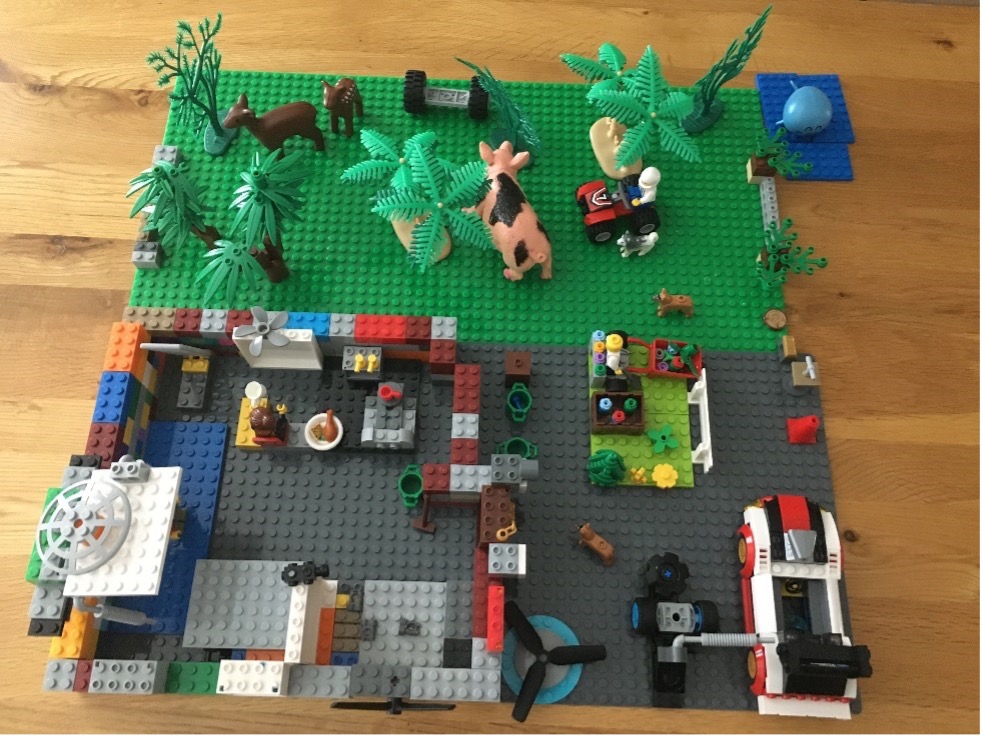
Design for the Future competition – Western Isles winners
Learn More
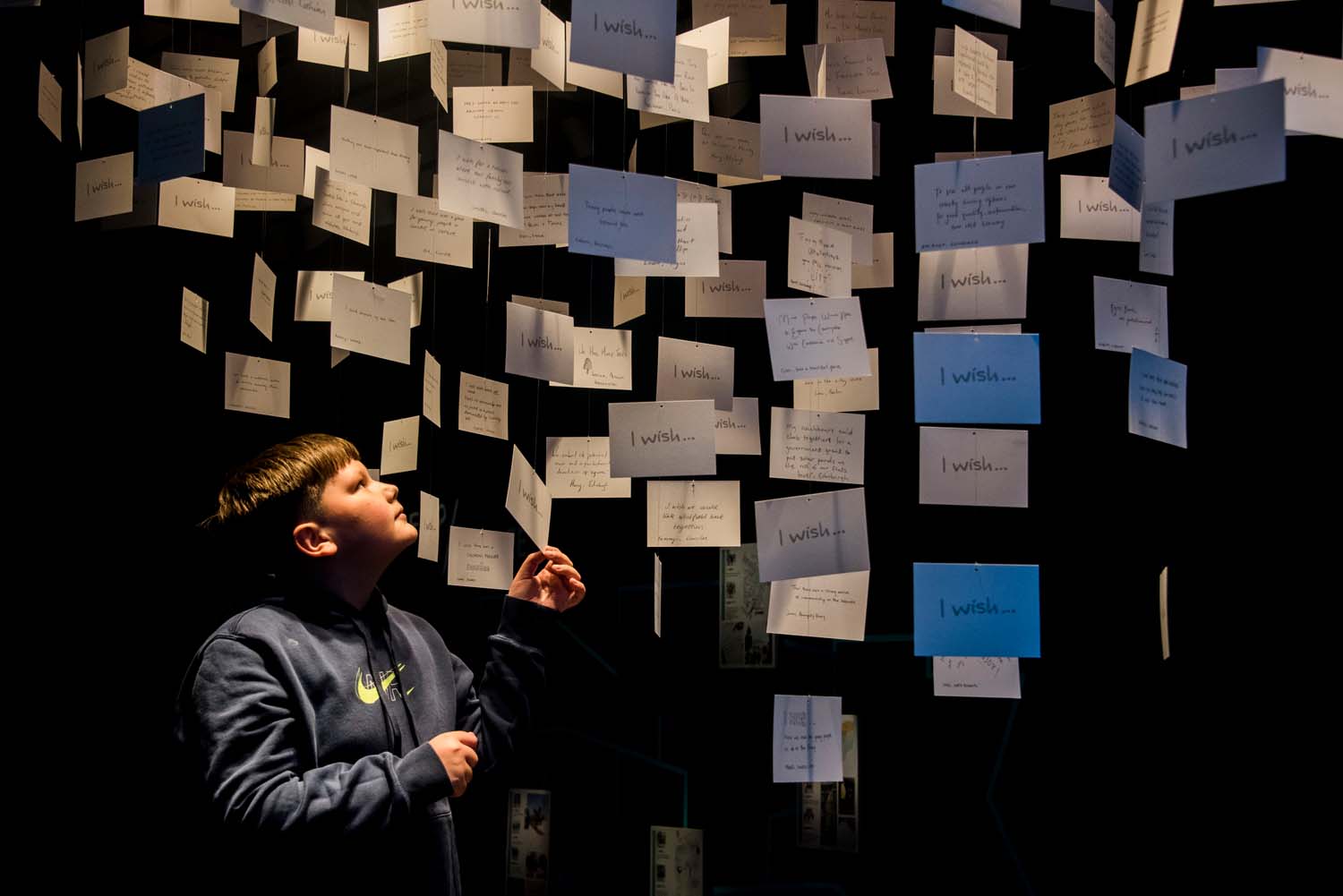
What if…?/ Scotland: Shared hopes, dreams and wishes for our places
Learn More
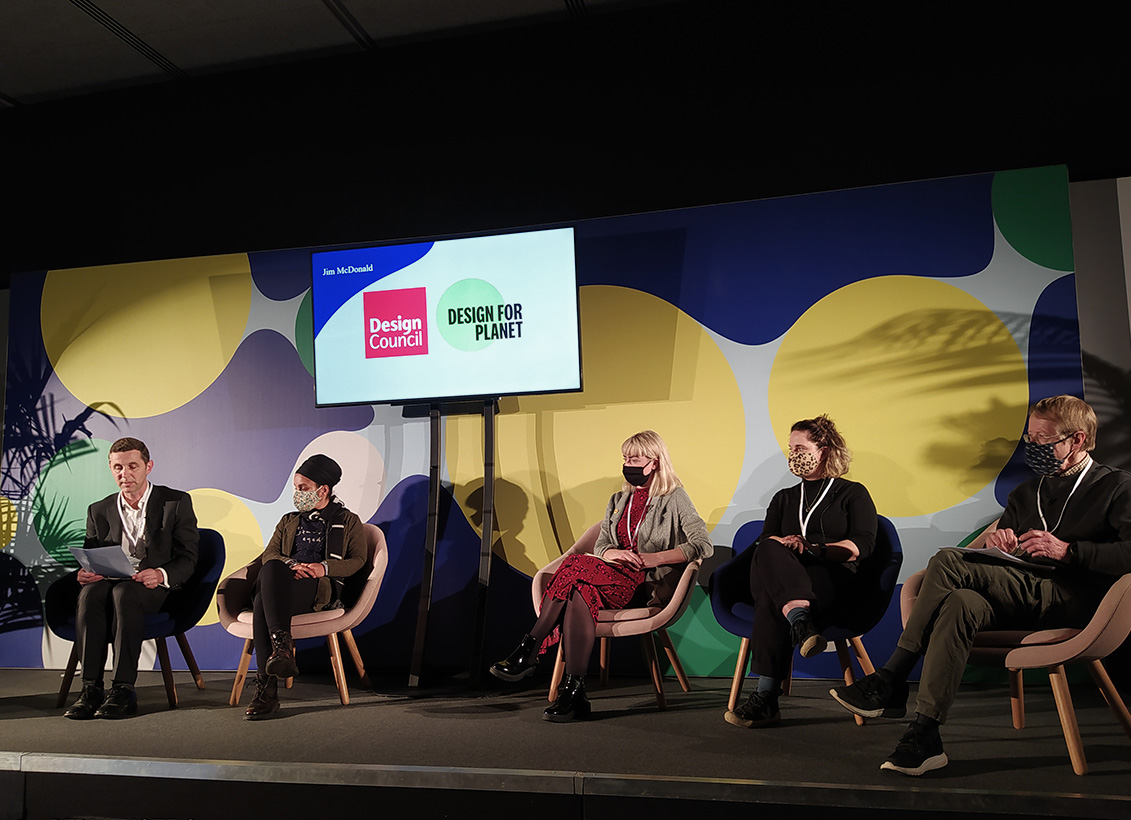
Design for planet: time for design to shine
Learn More
Seven Scottish ‘climate action towns’ to help just transition
Learn More
Scotland can inspire the world as COP comes to Glasgow
Learn More
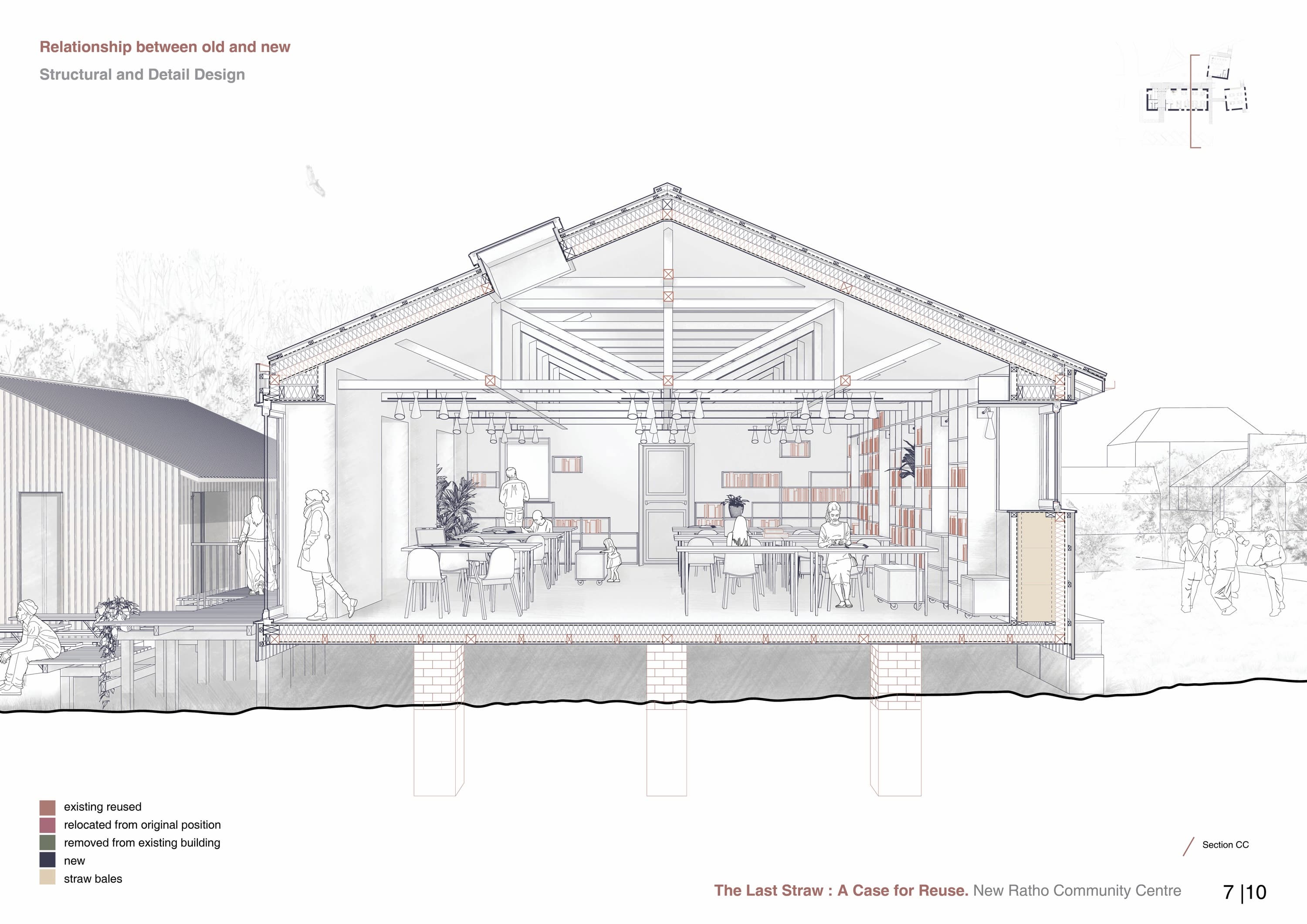
Student awards 2021: interview with Gergana Negovanska
Learn More
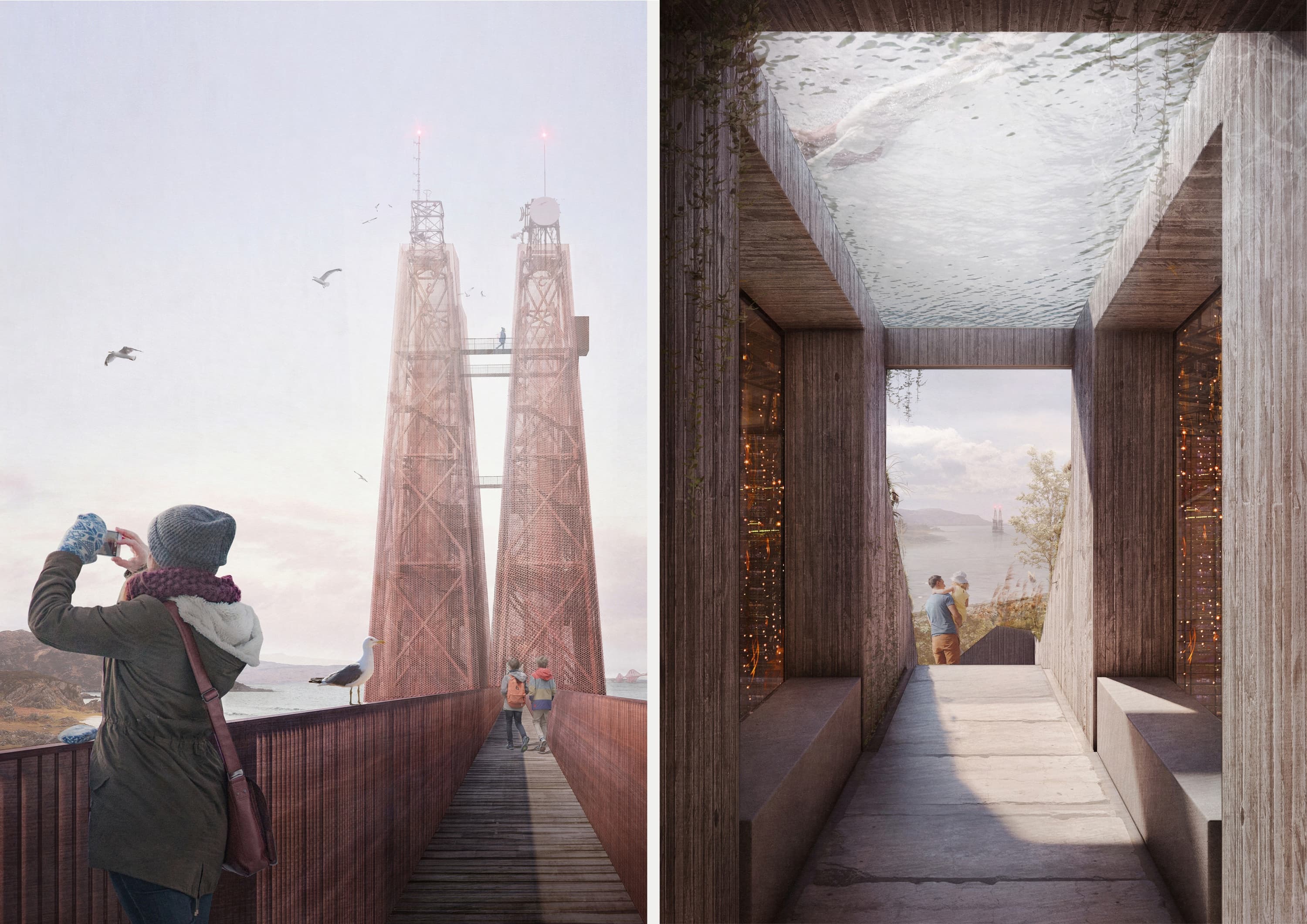
Student awards 2021: interview with Tiia Partanen
Learn More
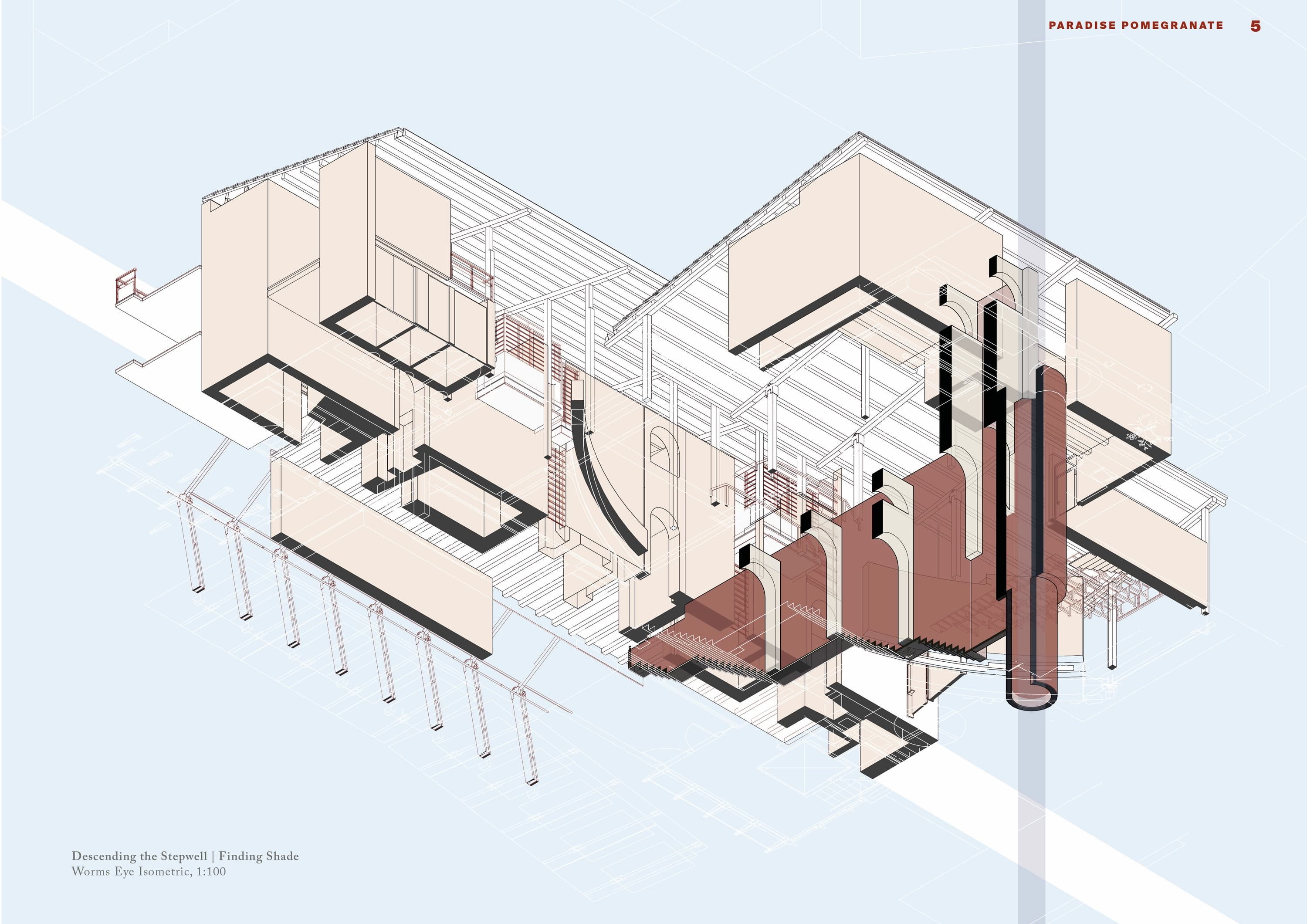
Student awards 2021: interview with Rachel Dunne
Learn More

The results for A&DS and RIAS Student Awards for Architecture 2021
Learn More

Can we re-use our way to net zero?
Learn More
Shortlist for the A&DS and RIAS Scottish Student Awards for Architecture 2021
Learn More
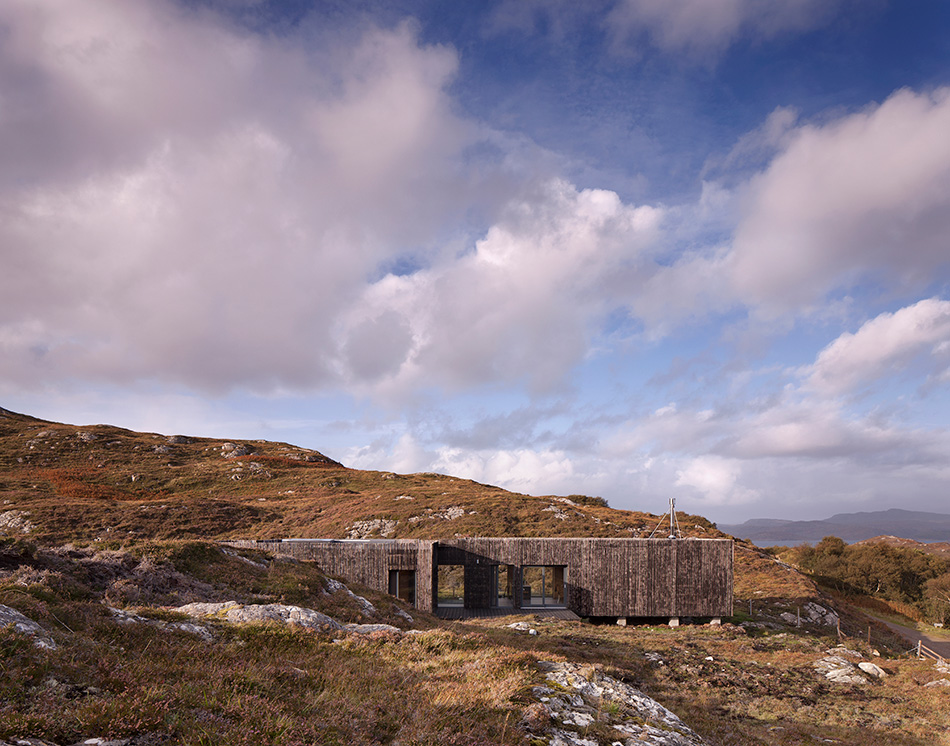
An Cala: Best Use of Timber Awards Winning Project 2021
Learn More
The future will be local
Learn More
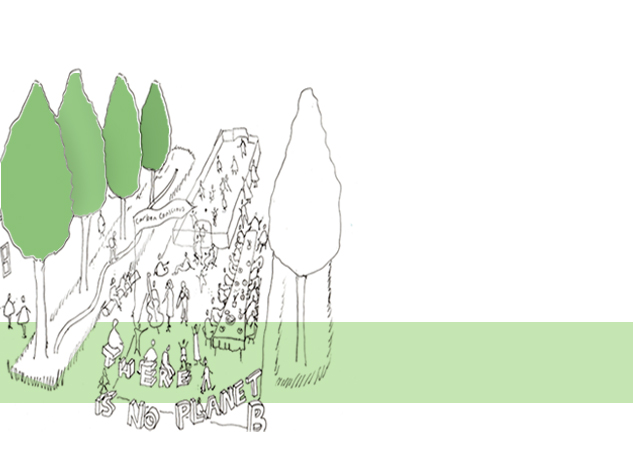
Carbon conscious places are people places
Learn More
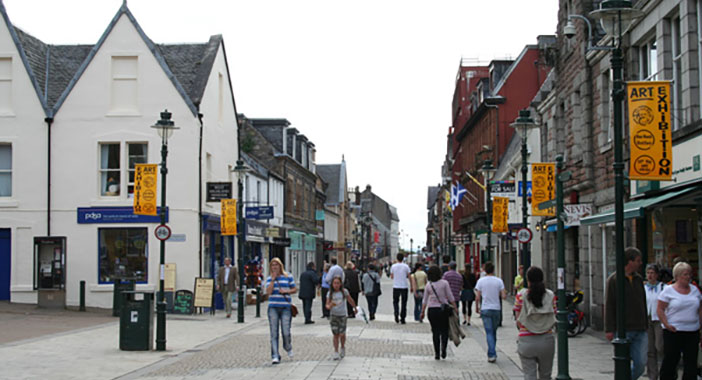
Scotland’s towns and the climate emergency
Learn More
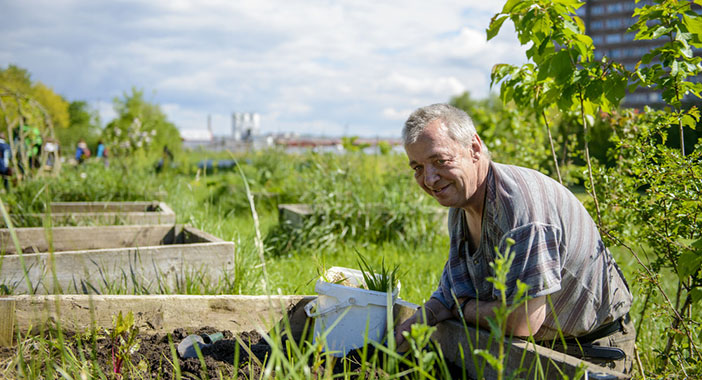
Getting our towns climate-ready with blue and green infrastructure
Learn More
Glasgow City Region: choosing to flourish in our future climate
Learn More
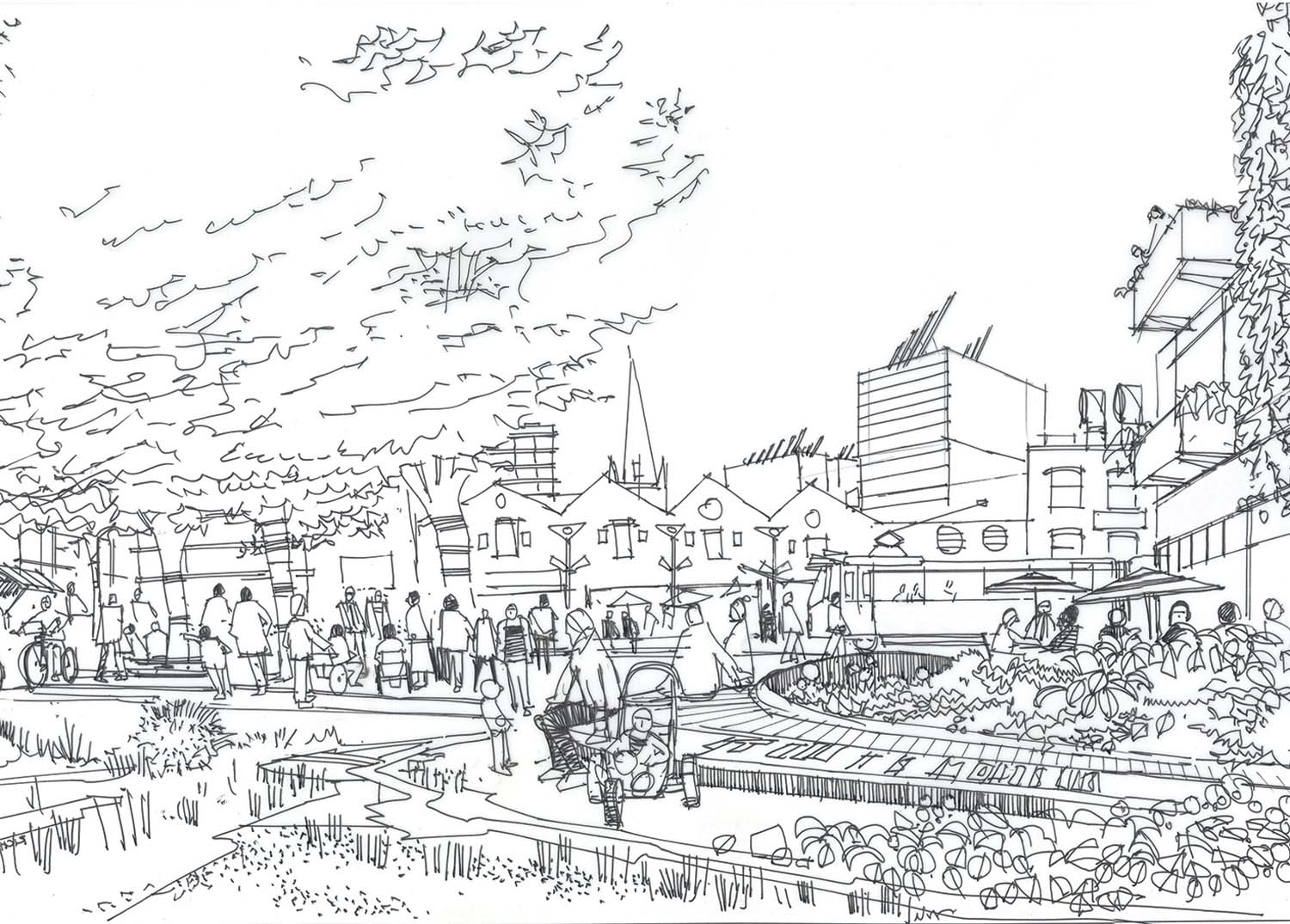
If you’re not part of the solution… how the public sector can deliver better places
Learn More
Designing a lower carbon Scotland
Learn More
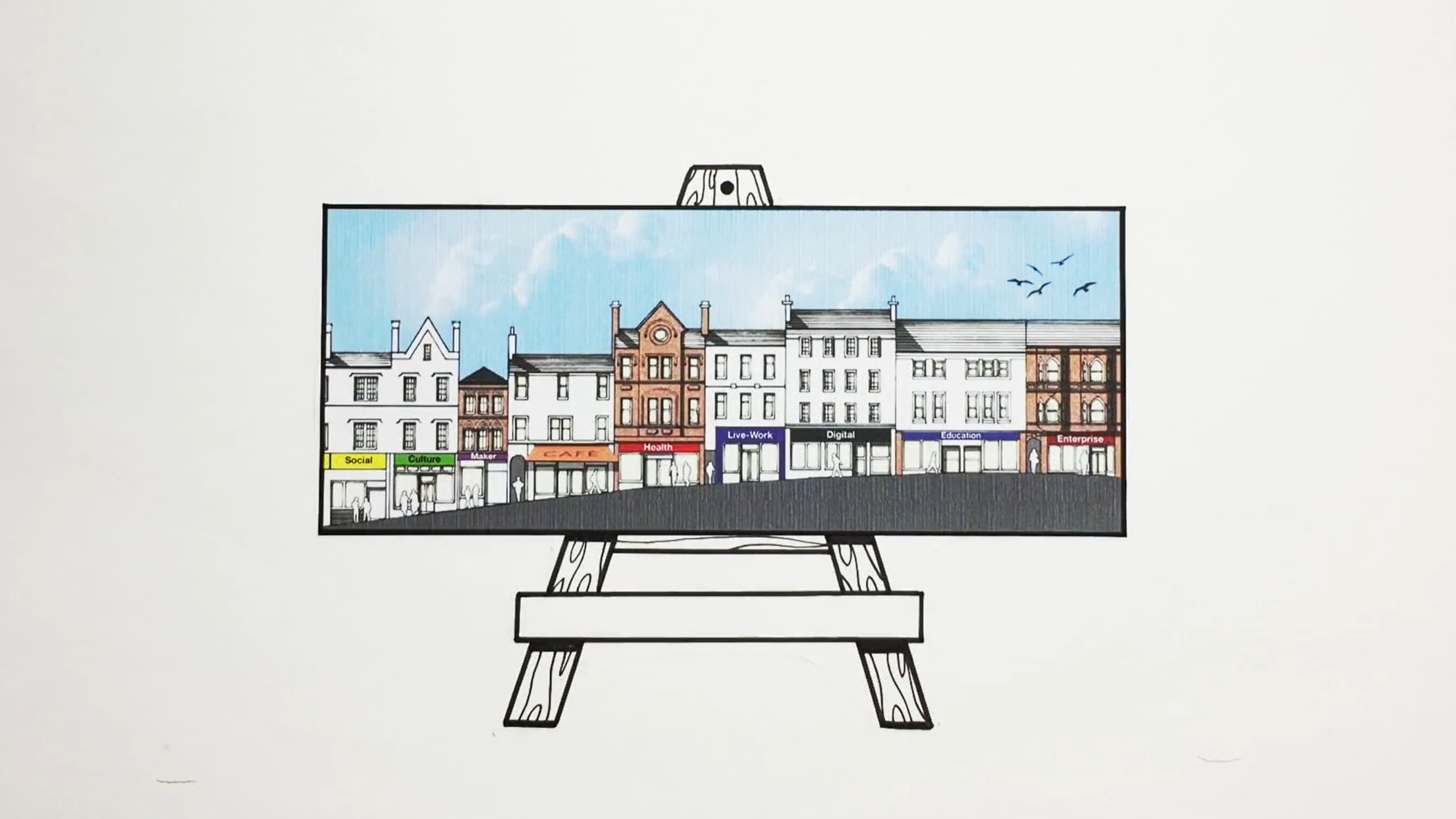
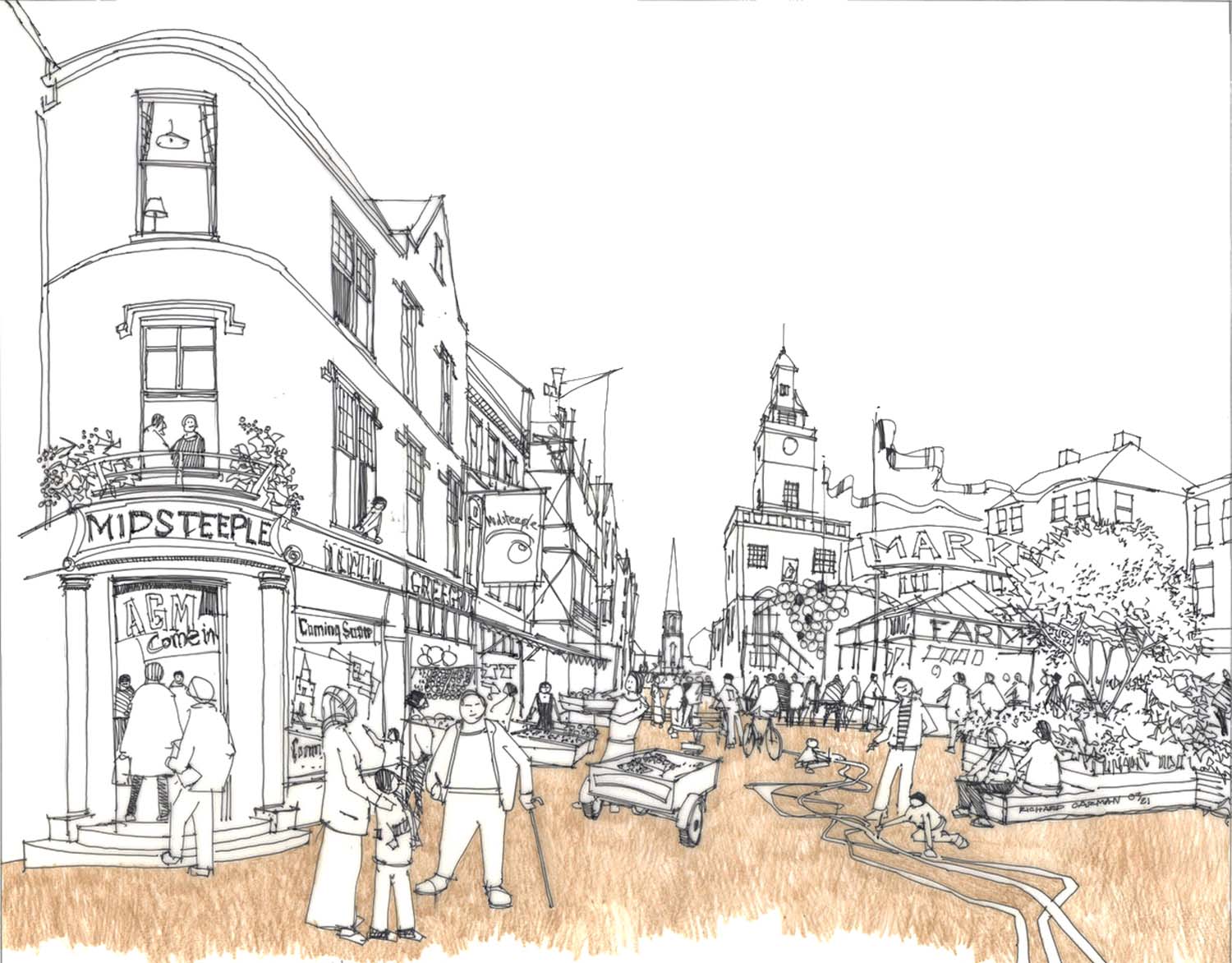
Learning from Midsteeple Quarter, Dumfries
Learn More
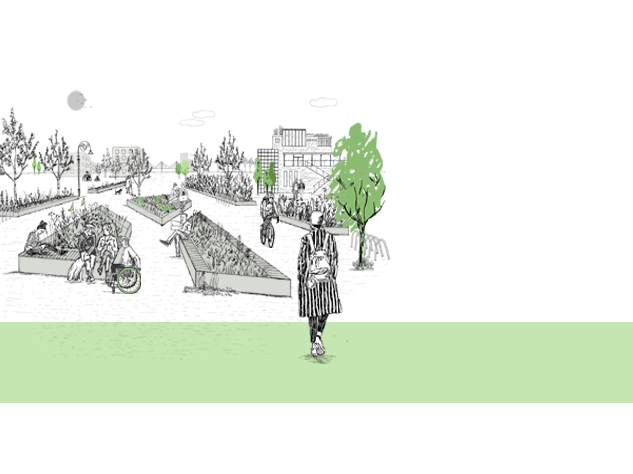
What is a whole-place collaborative approach and why does it matter?
Learn More
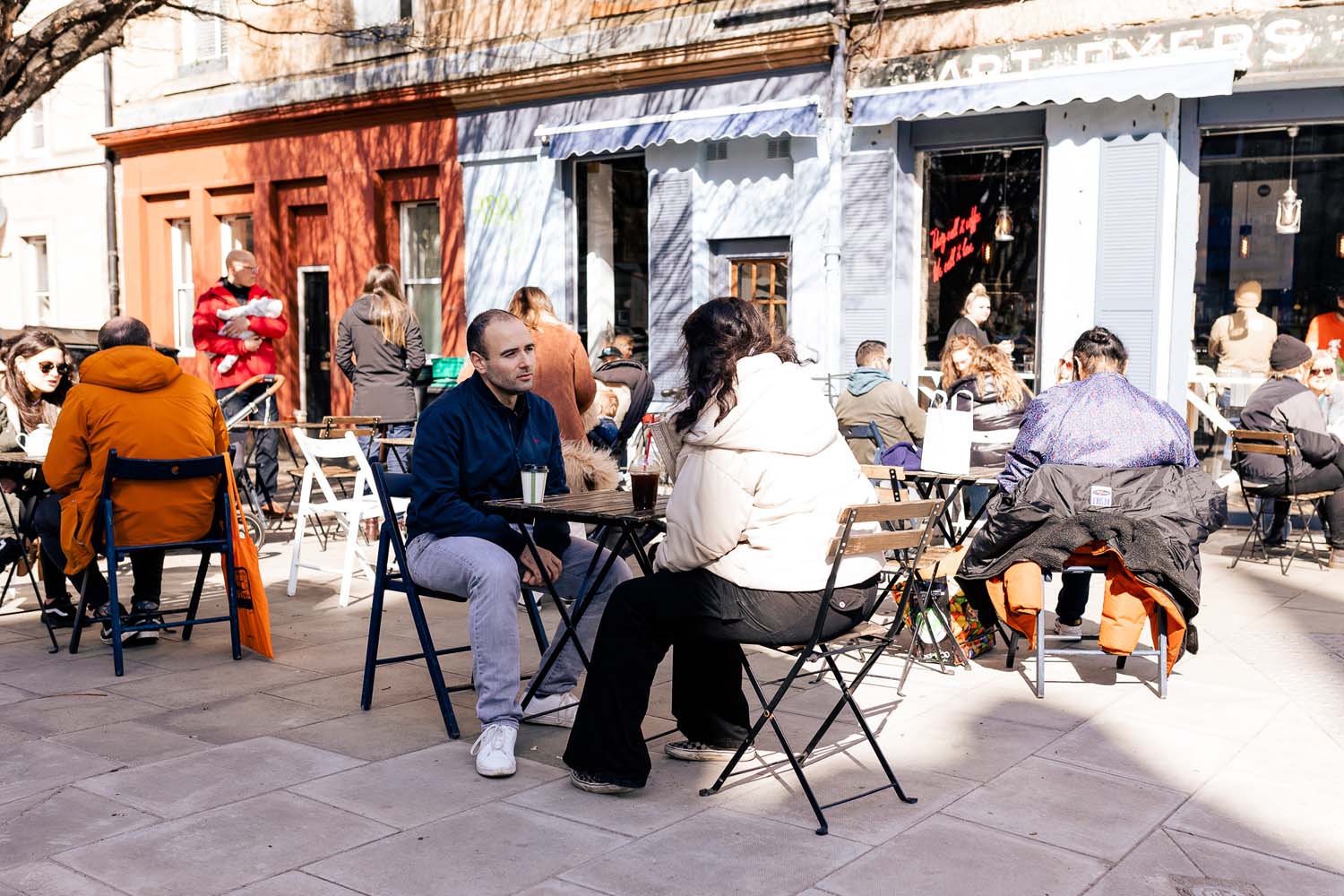
The end of the high street, or a step in its evolution?
Learn More
How has the pandemic changed the way we look at our places?
Learn More

What is a place and why does it matter?
Learn More
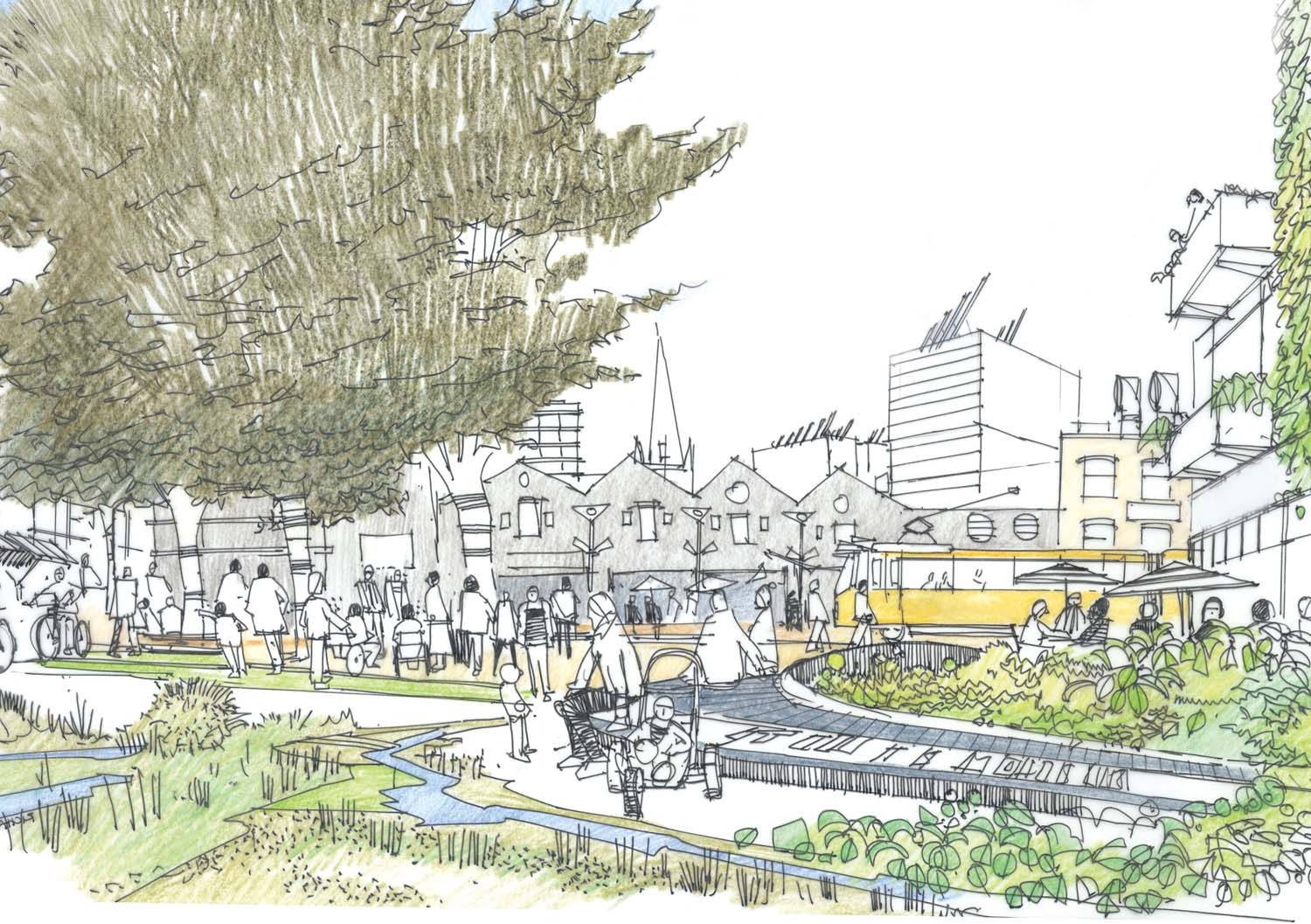
Corporate Plan 2021-31 launched
Learn More
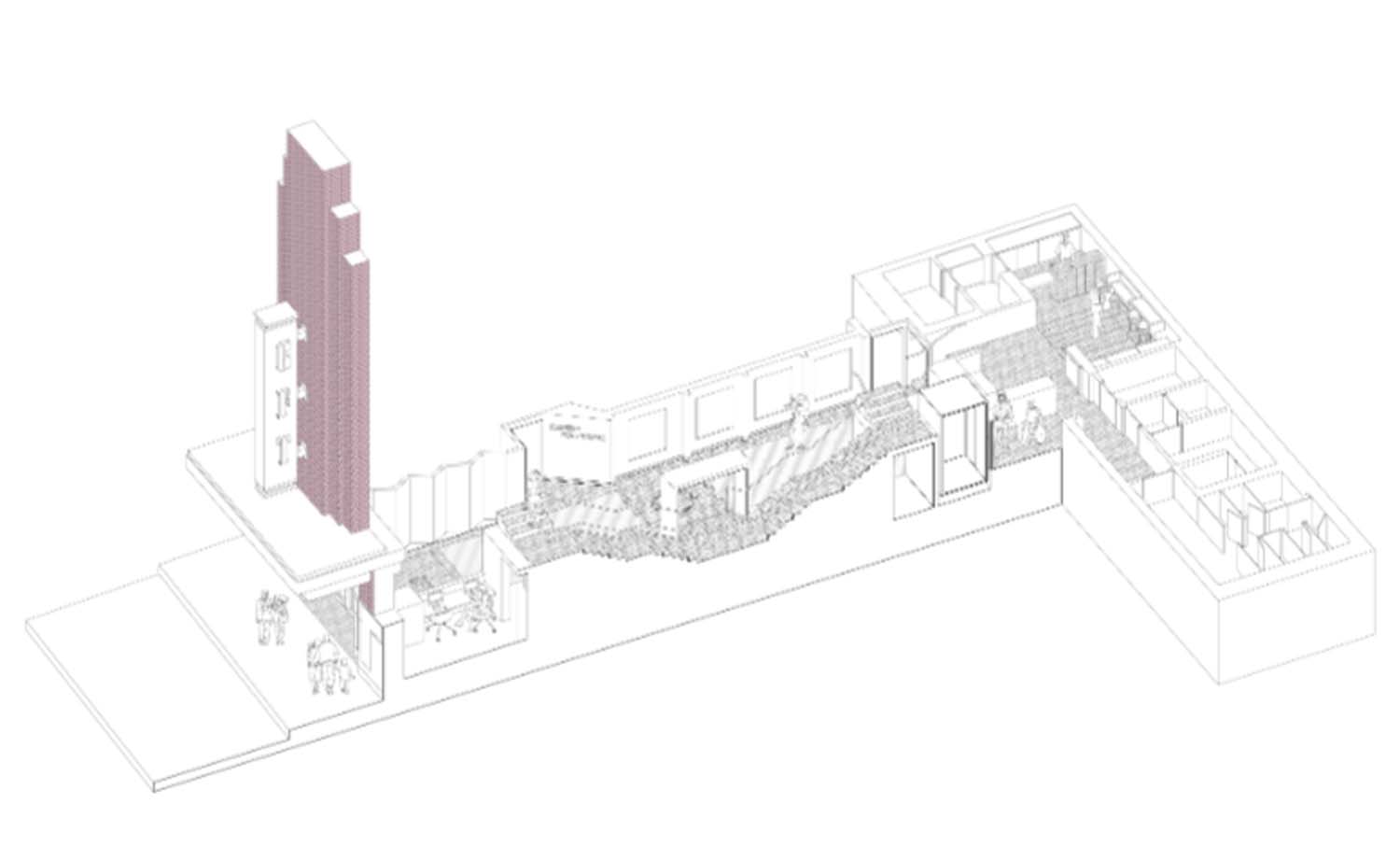
Creating uplifting interiors for Glasgow Film Theatre
Learn More
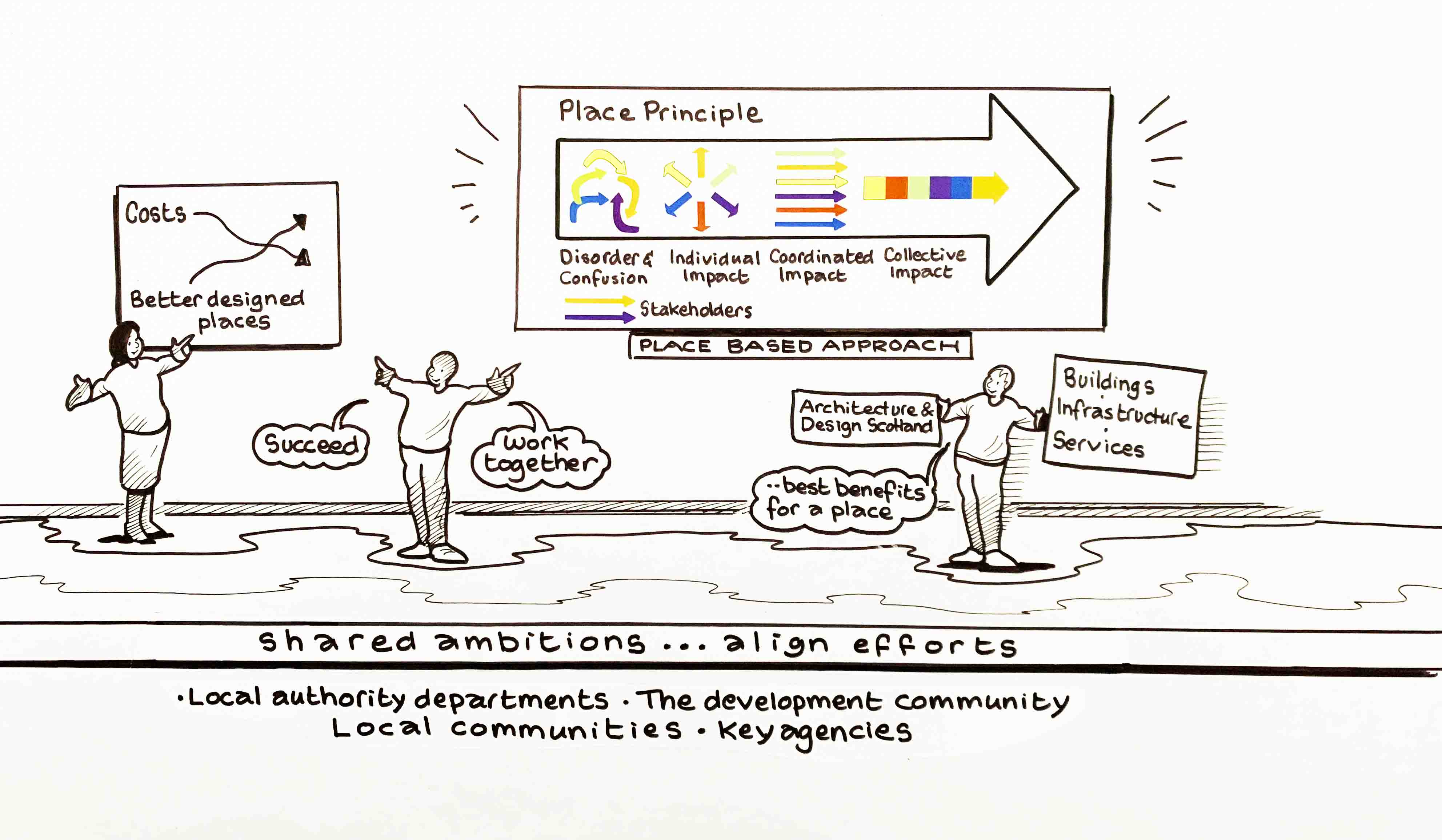
Introducing a place-based approach to housing
Learn More
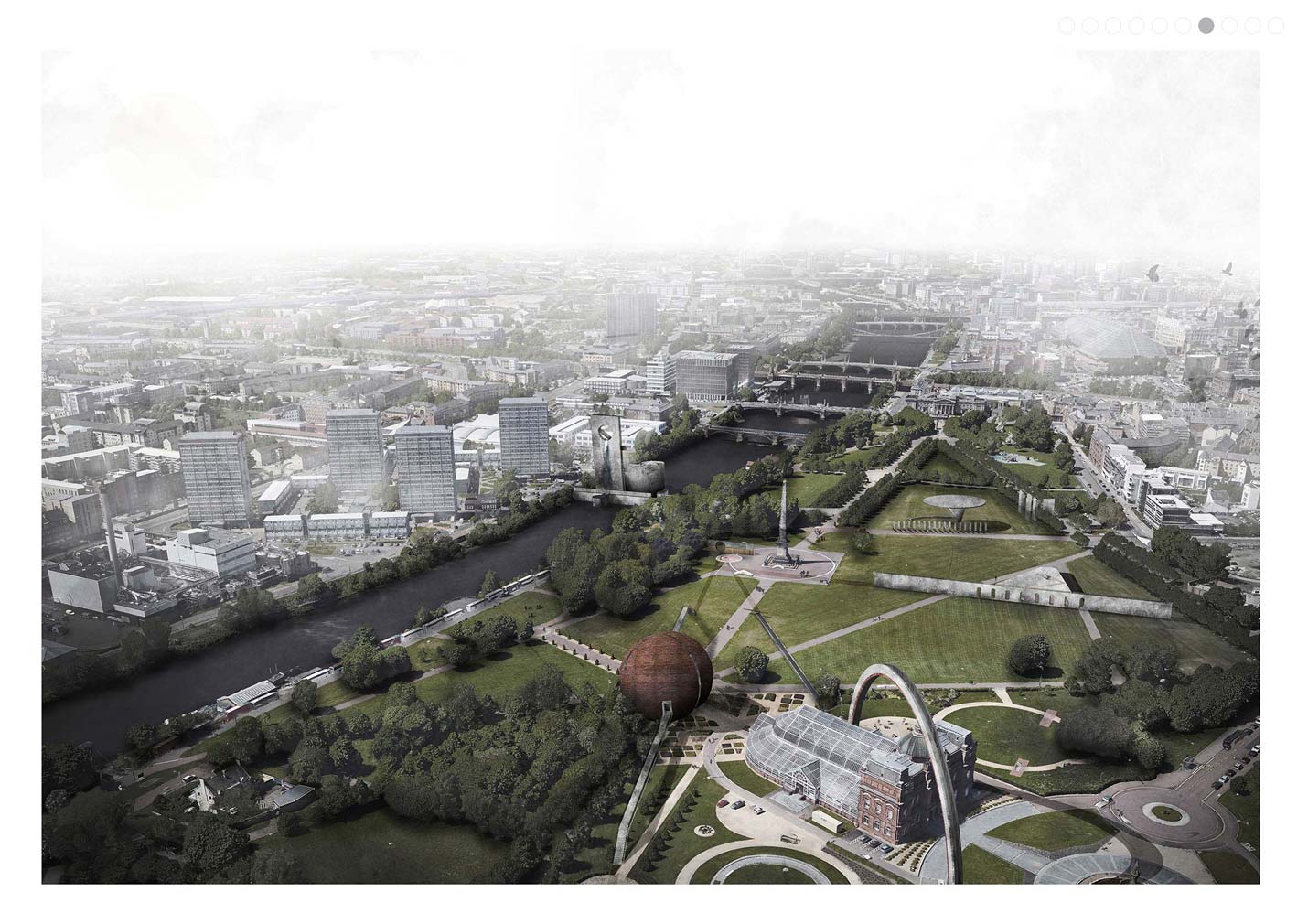
Student Awards 2020: our winners look to the future
Learn More
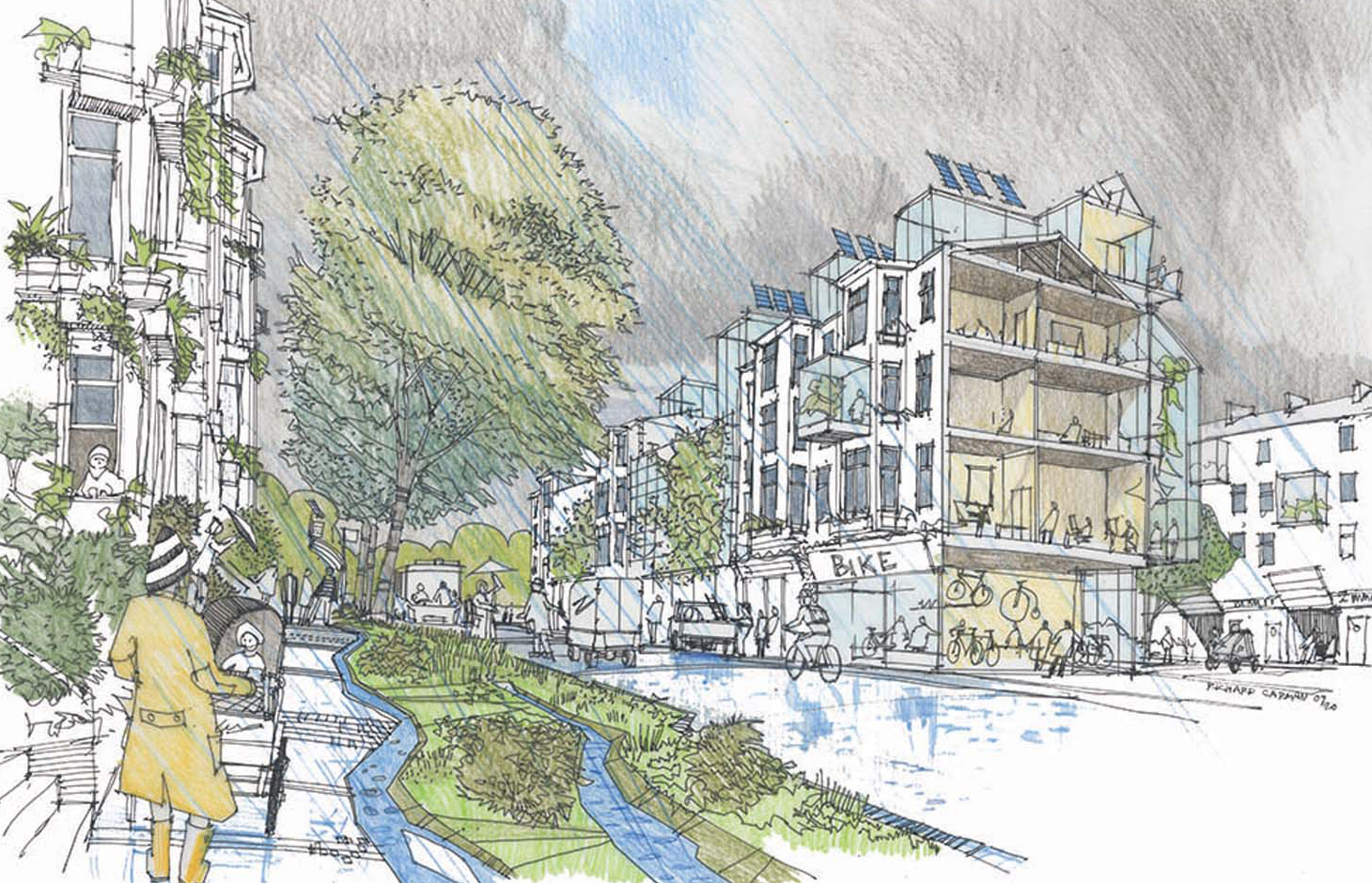
Design in a changing climate: new report launched
Learn More
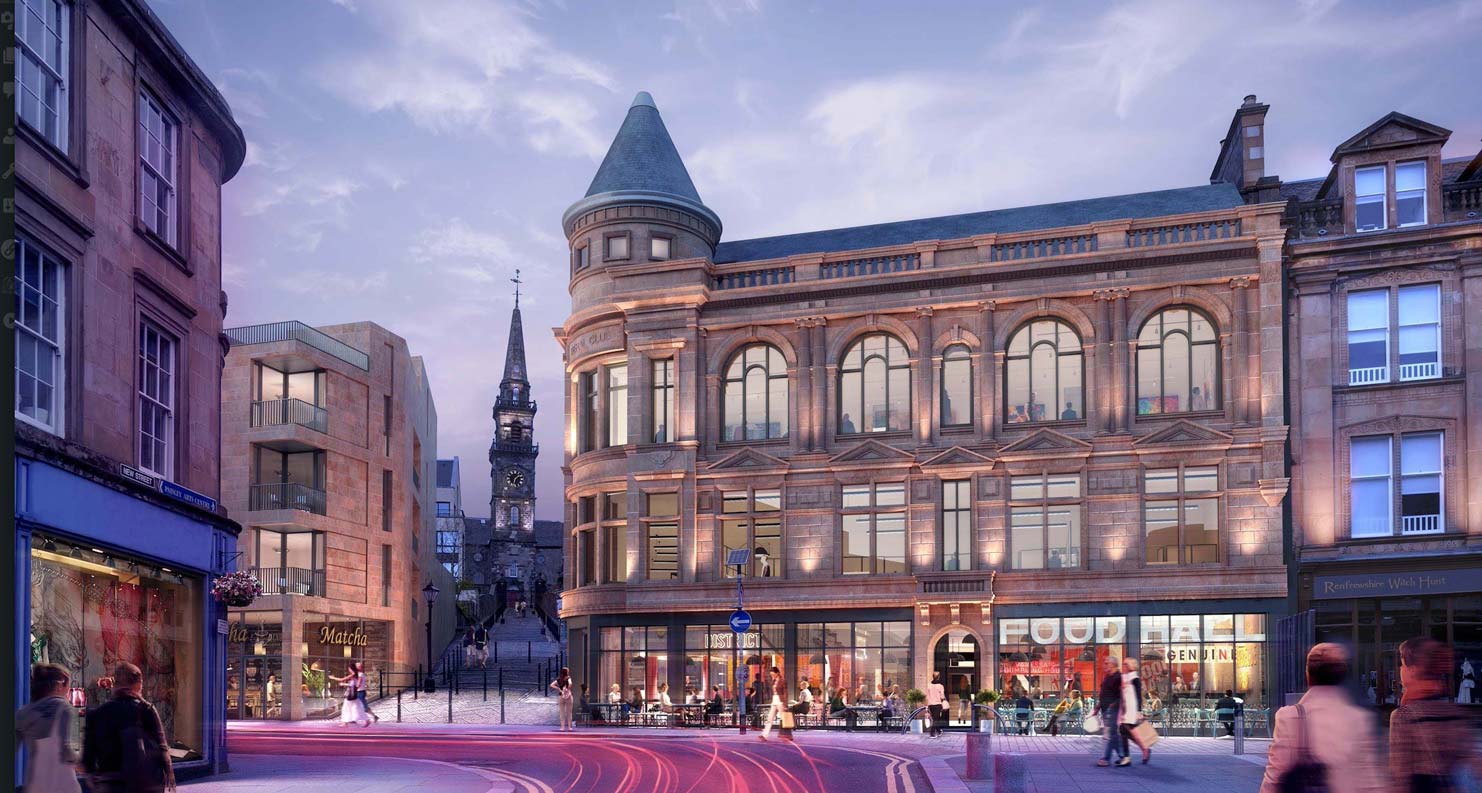
Repurposing and sustainable placemaking
Learn More

Building resilience in a crisis
Learn More
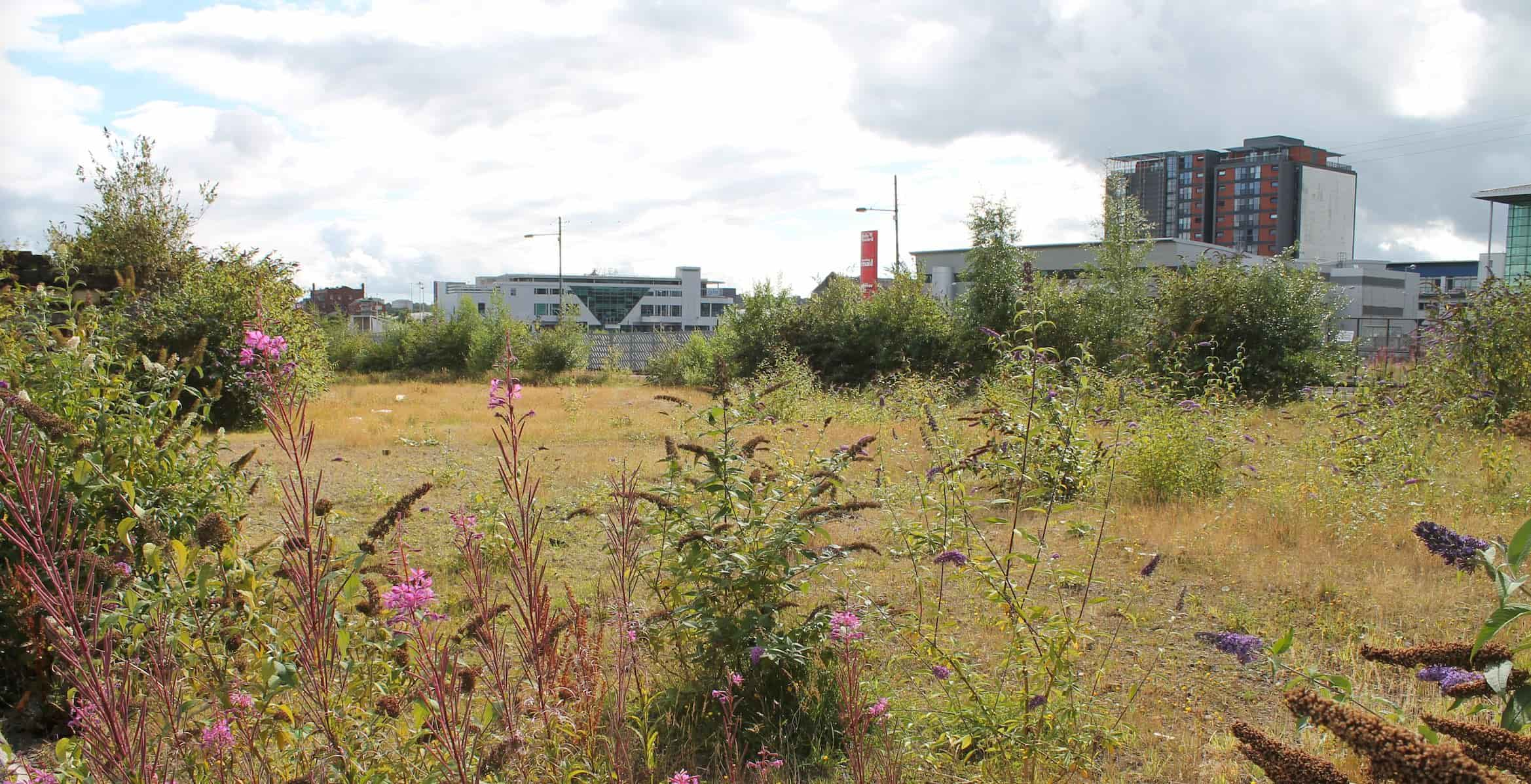
The value of vacant and derelict land
Learn More

Architecture education must respond to the climate crisis
Learn More
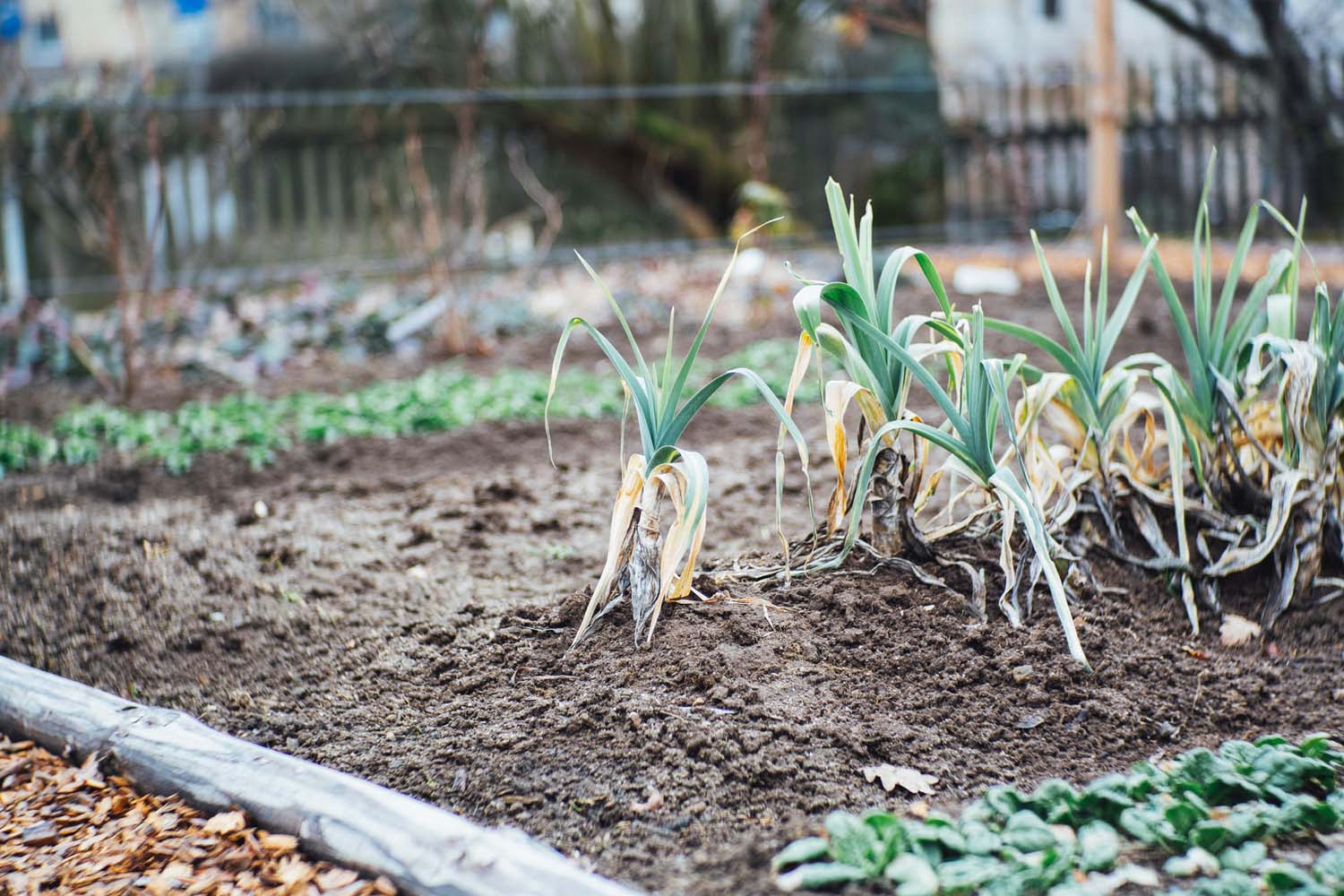
What is the role for community based urban food production?
Learn More
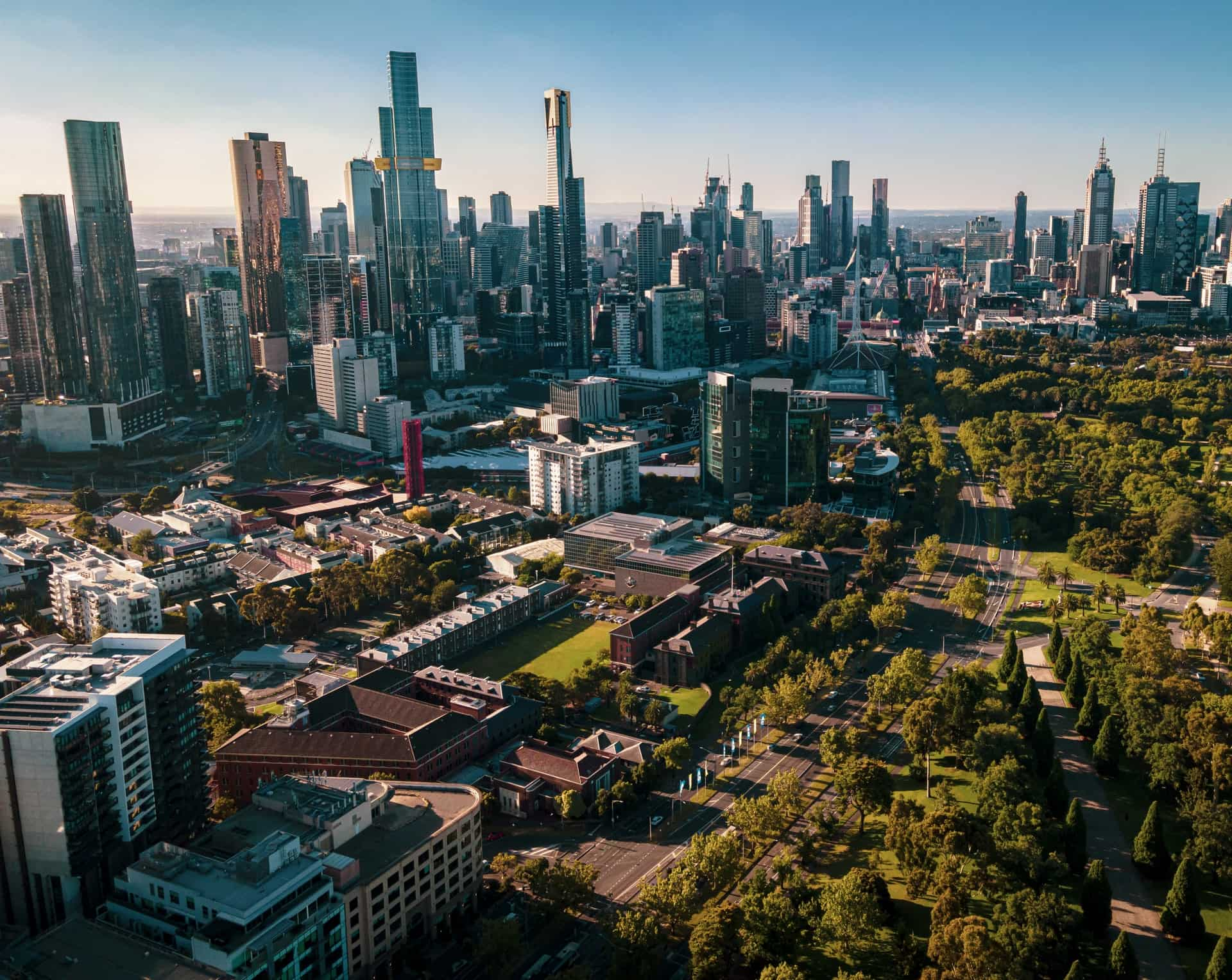
Greening the grey: lessons from Melbourne
Learn More
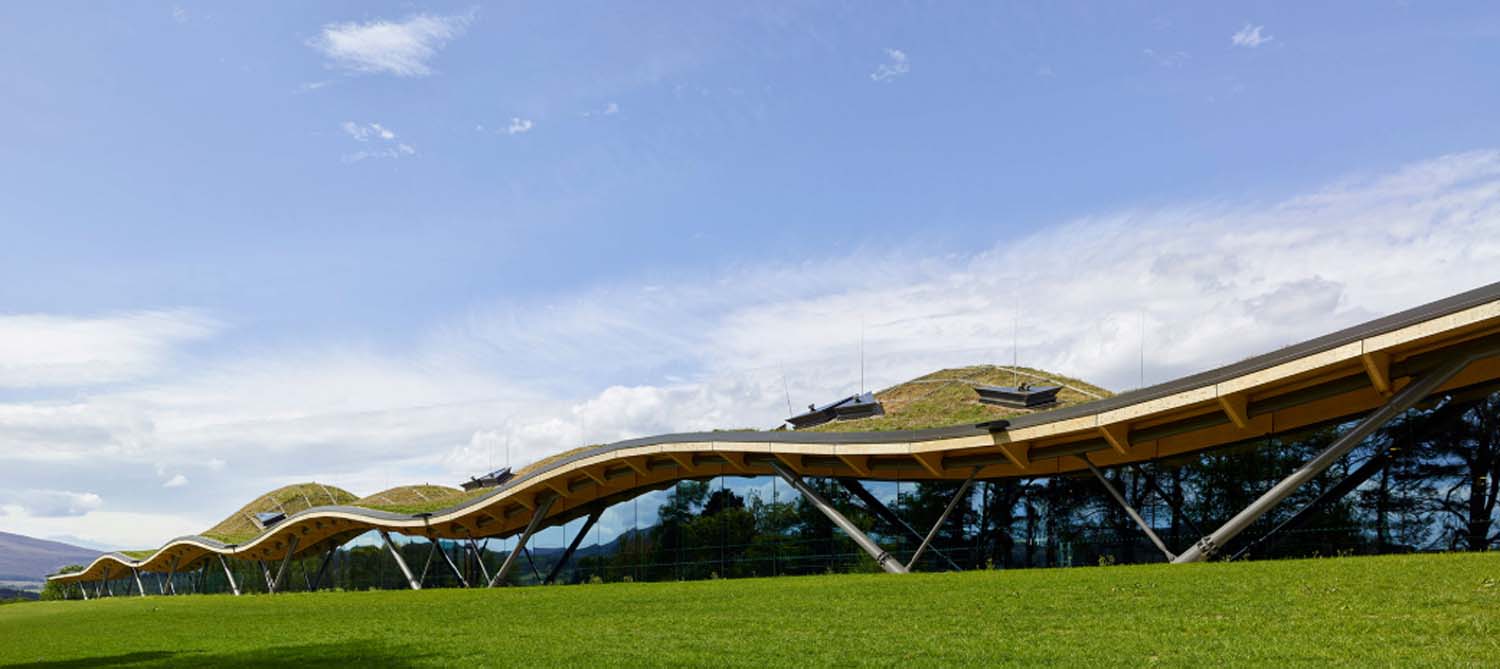
World’s most co-ordinated distillery: Macallan Distillery and Visitor Experience
Learn More
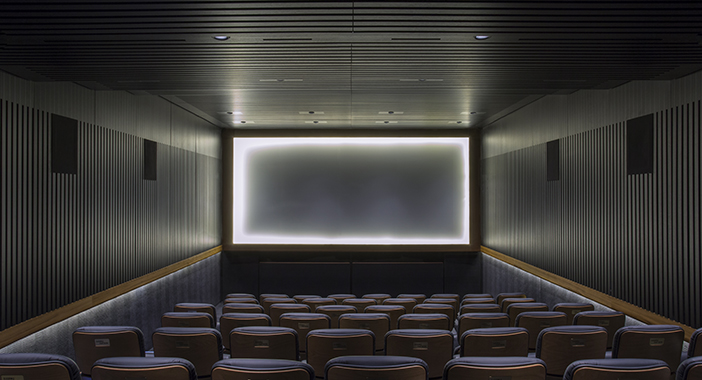
A new room in the city: Glasgow Film Theatre
Learn More
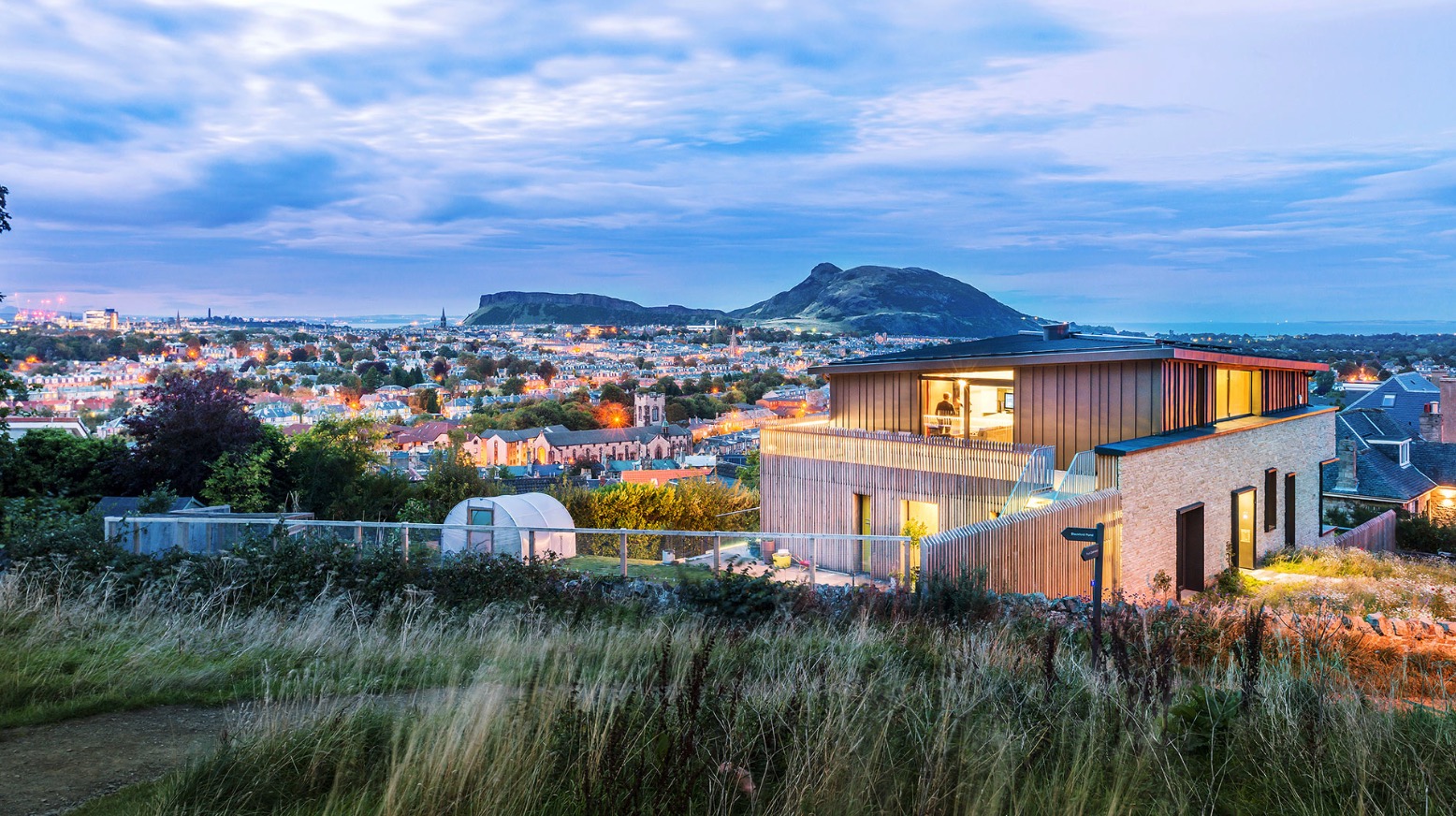
Low carbon living: designing 22 Observatory Road
Learn More
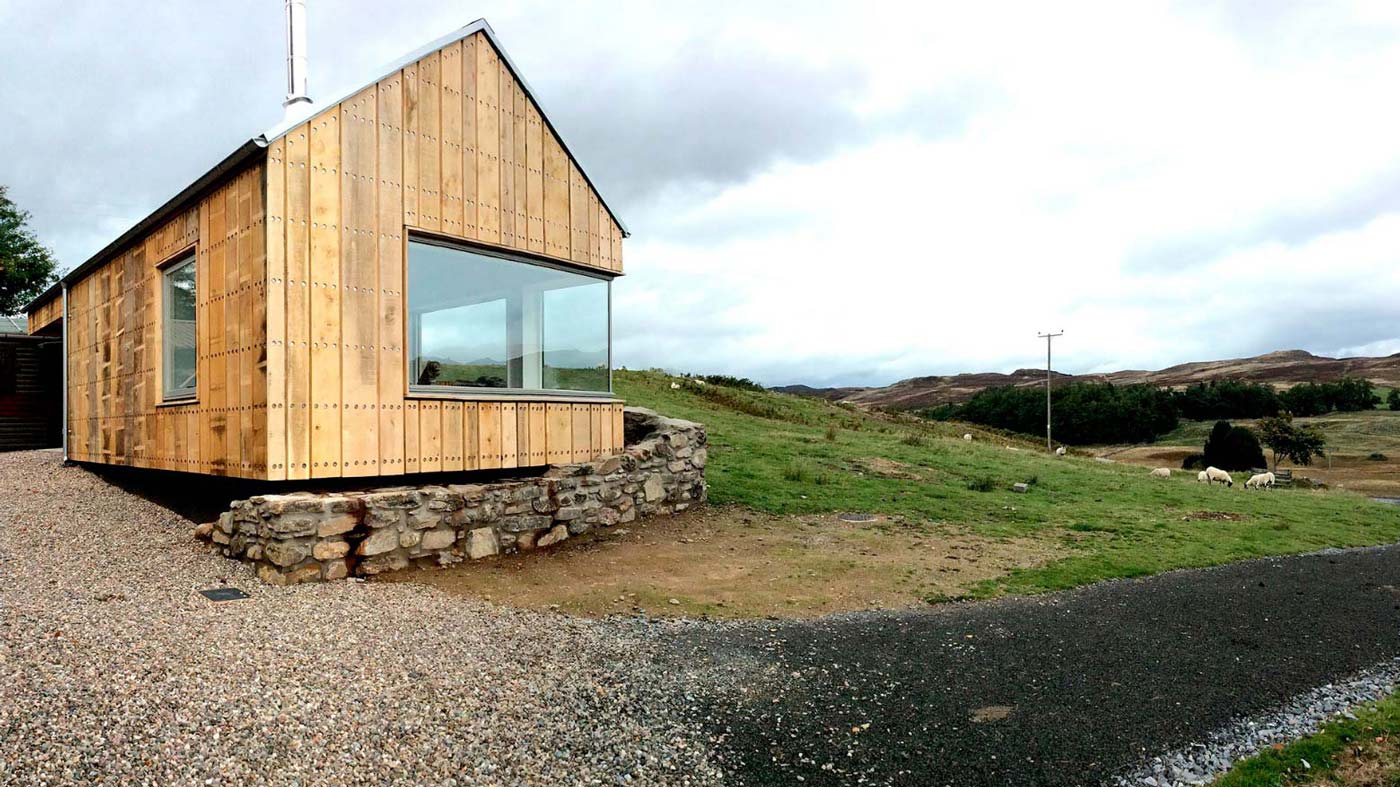
New Steading: a magical little building in a glorious spot
Learn More
Best Use of Timber Awards 2019 exhibition
Learn More
Housing to 2040 voices: the client’s experience | Dunbeg
Learn More
Housing to 2040 voices: the resident’s experience | Paisley
Learn More
Housing to 2040 voices: the architect’s experience | Dunbeg
Learn More
Housing to 2040 voices: the community contact’s experience | Dunbeg
Learn More
Housing to 2040 voices: the architect’s experience | Paisley
Learn More

Shared mobility and quality living
Learn More

Hedonistic urbanism: translating self-interest to social good
Learn More
Planning for the transformation of energy
Learn More
A&DS and RIAS Scottish Student Awards for Architecture 2019 – The Results
Learn More
A caring place: Toyama as a city to suit its citizens
Learn More
Stockholm’s garden of the senses
Learn More
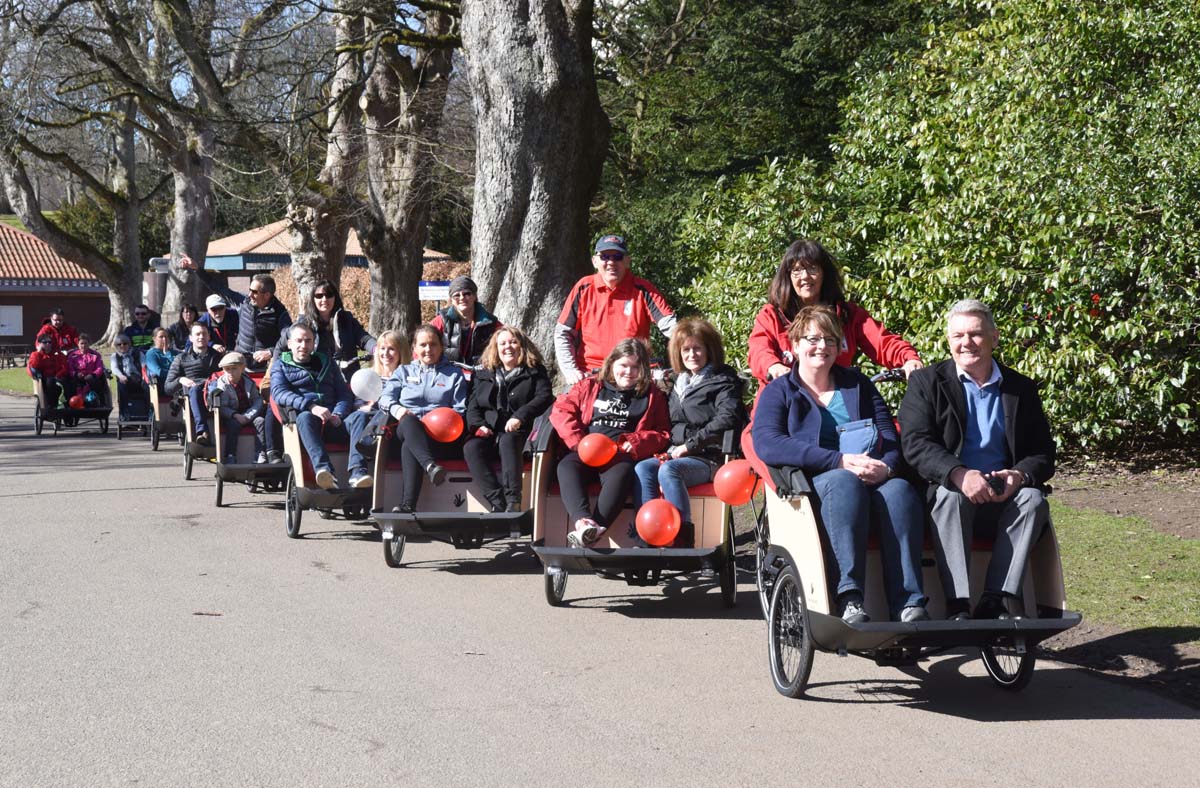
Cycling without age: part two
Learn More
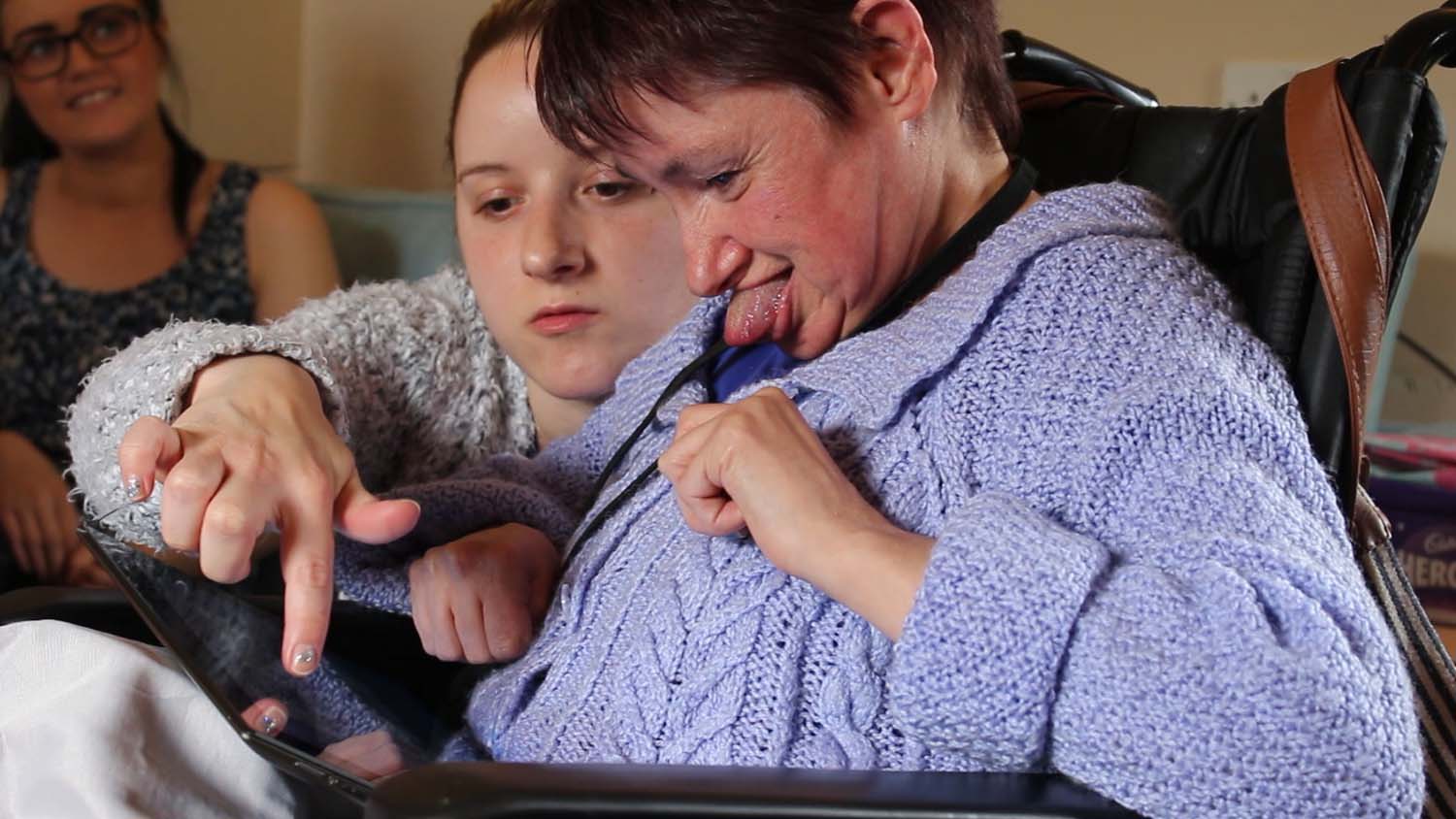
Promoting independent living at Blackwood Homes
Learn More
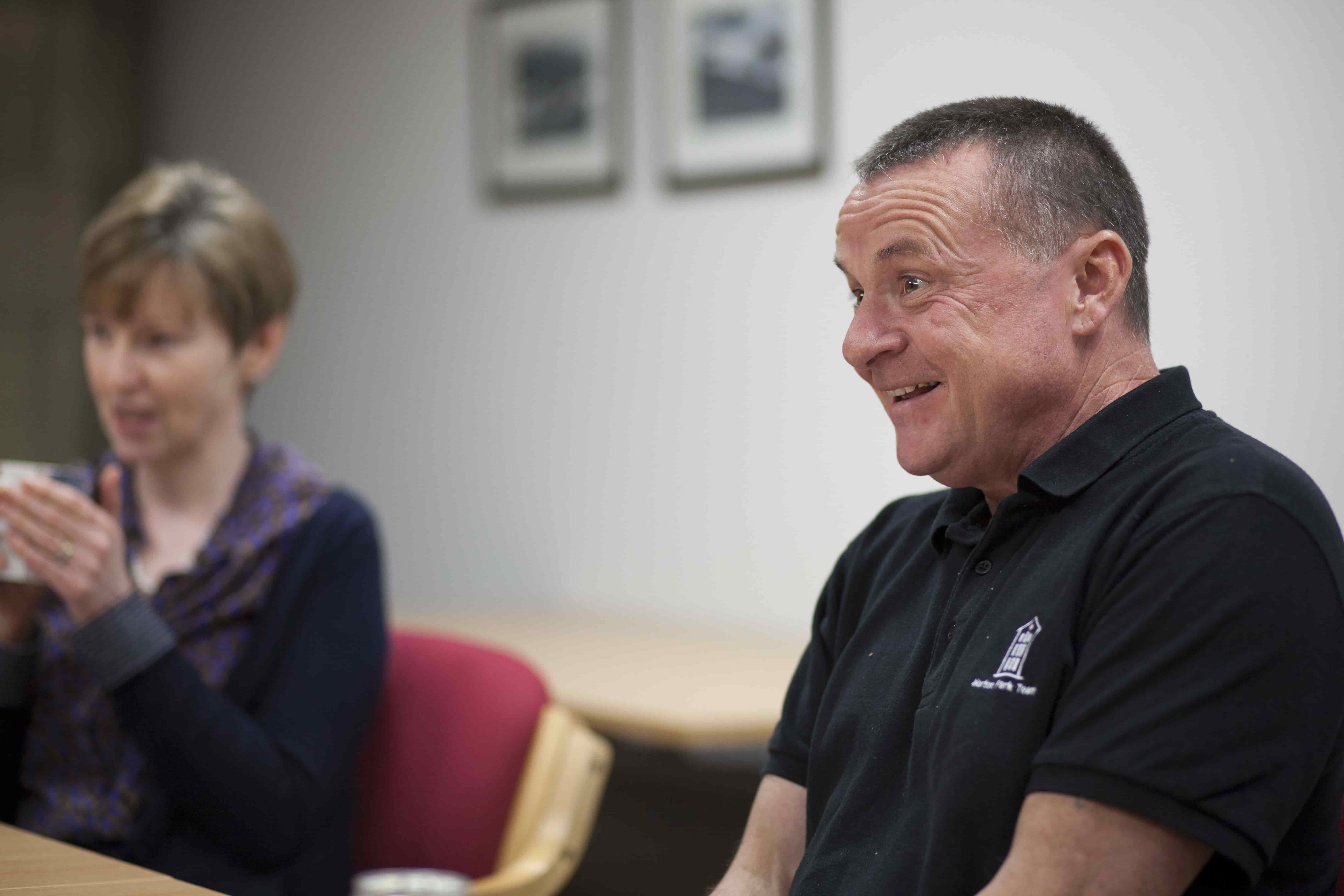
Repurposing Norton Park
Learn More
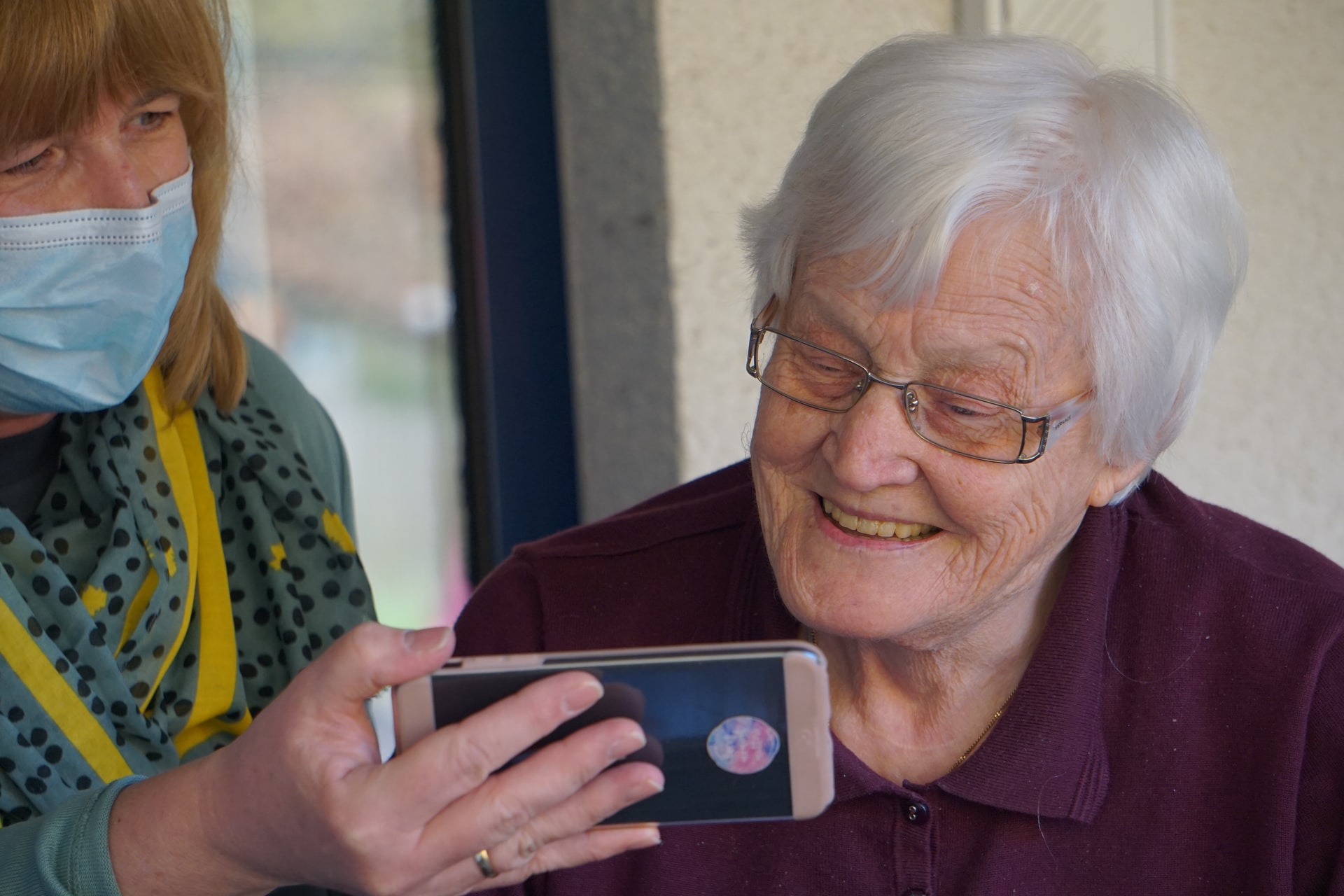
A caring place: digital connections
Learn More
Housing choice
Learn More
Cycling without age: part one
Learn More
Seven thoughts on the circular economy
Learn More

Can urban living be suitable for older people?
Learn More
Making public places better for everyone
Learn More

Good accessible design is good for everyone
Learn More
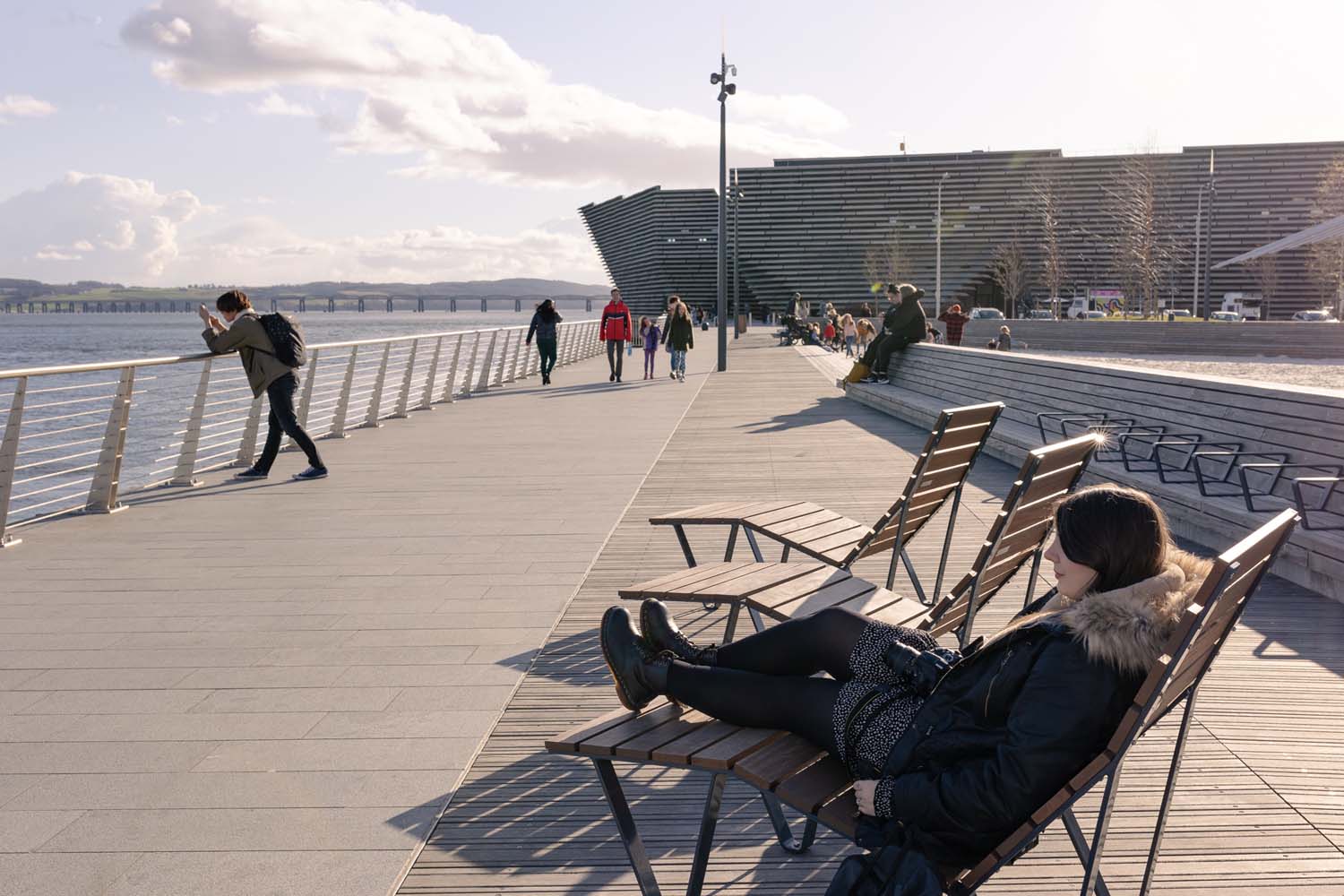
Walkable and caring town centres
Learn More
Andy MacMillan Memorial Lecture 2018 – Sarah Castle, Director, IF_DO
Learn More
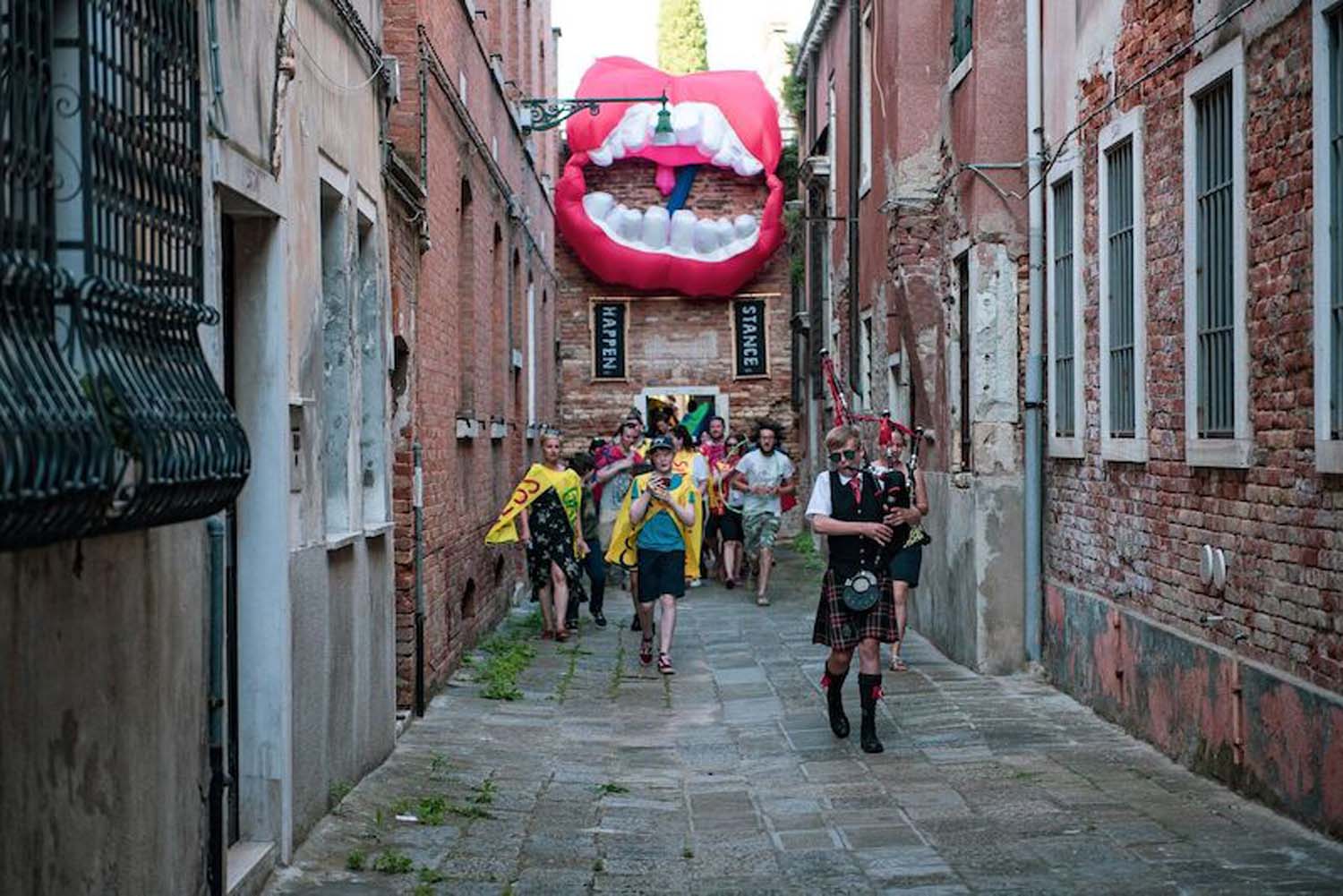
Venetians adopt Happenstance as their own free space
Learn More

A caring place: presentation at Cross Party Group
Learn More

Regeneration with care in mind
Learn More
The joy of having a project
Learn More

How can we use design to help create a caring place?
Learn More

The Happenstance: freeing people to think about free space
Learn More
Could a ‘caring town’ housing concept transform our age?
Learn More
DIY smart living: creating a caring place
Learn More
Re-imagining age and home
Learn More

Why can't we live in town centres again?
Learn More

Six ways to reduce our emissions in Scotland
Learn More
From eyesores to empowered spaces: getting Stalled Spaces off the ground
Learn More

Place Standard: housing in Shetland
Learn More
Place Standard: testing the tool in Irvine
Learn More
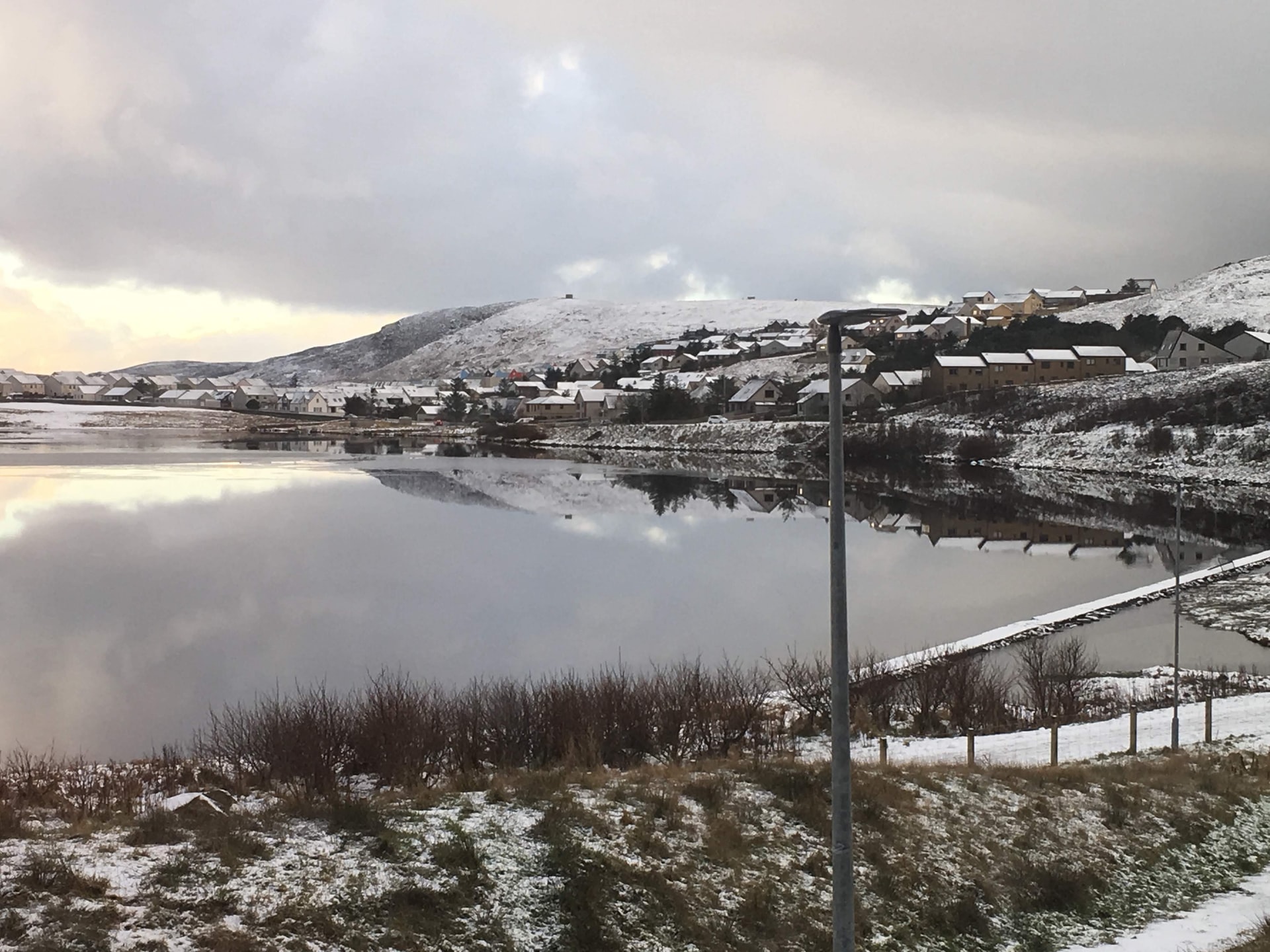
Place Standard: corporate working in Shetland
Learn More
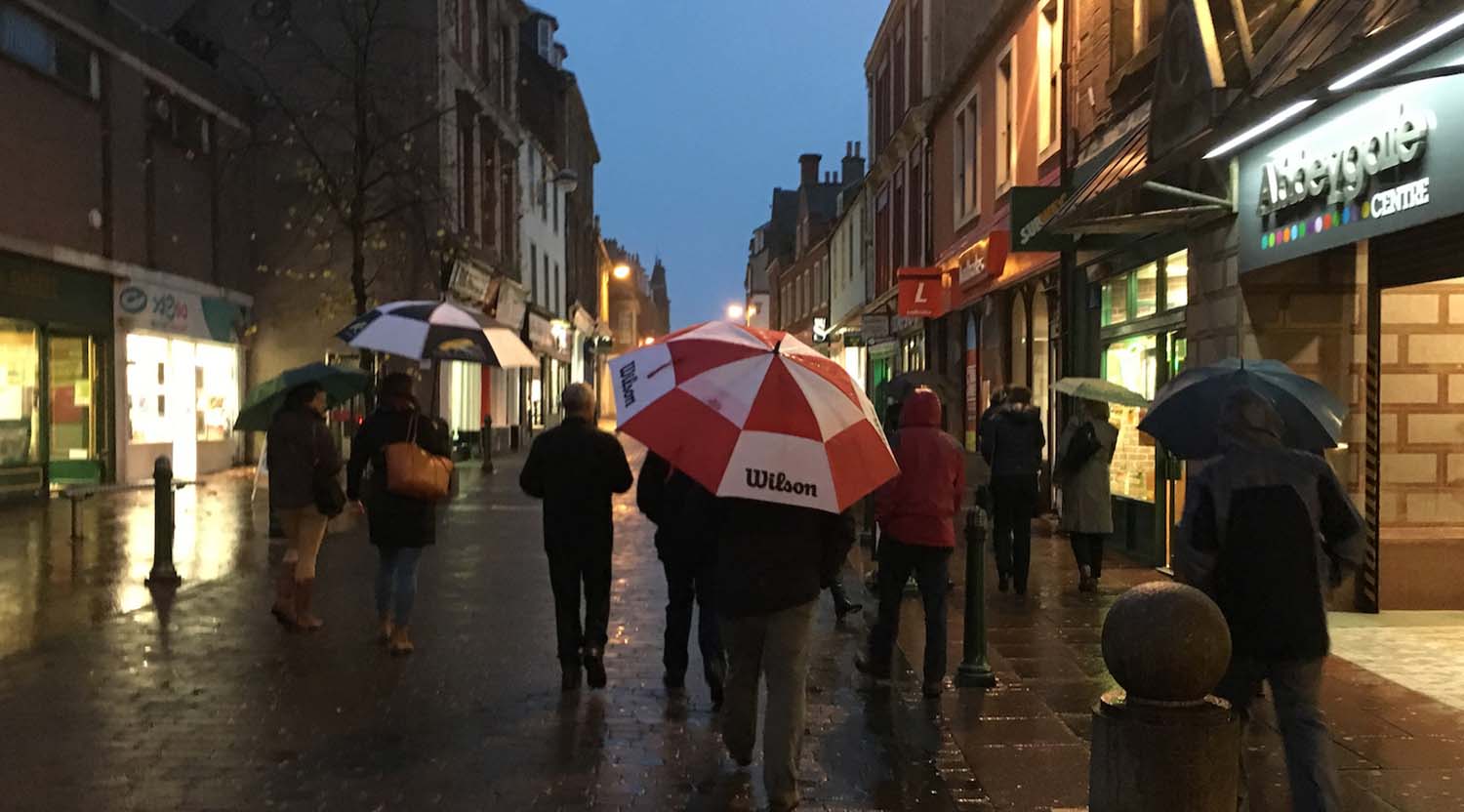
Place Standard: Arbroath
Learn More
Place Standard: discussing growth in South Queensferry
Learn More
Place Standard: Carnegie – three communities test the Place Standard Tool
Learn More
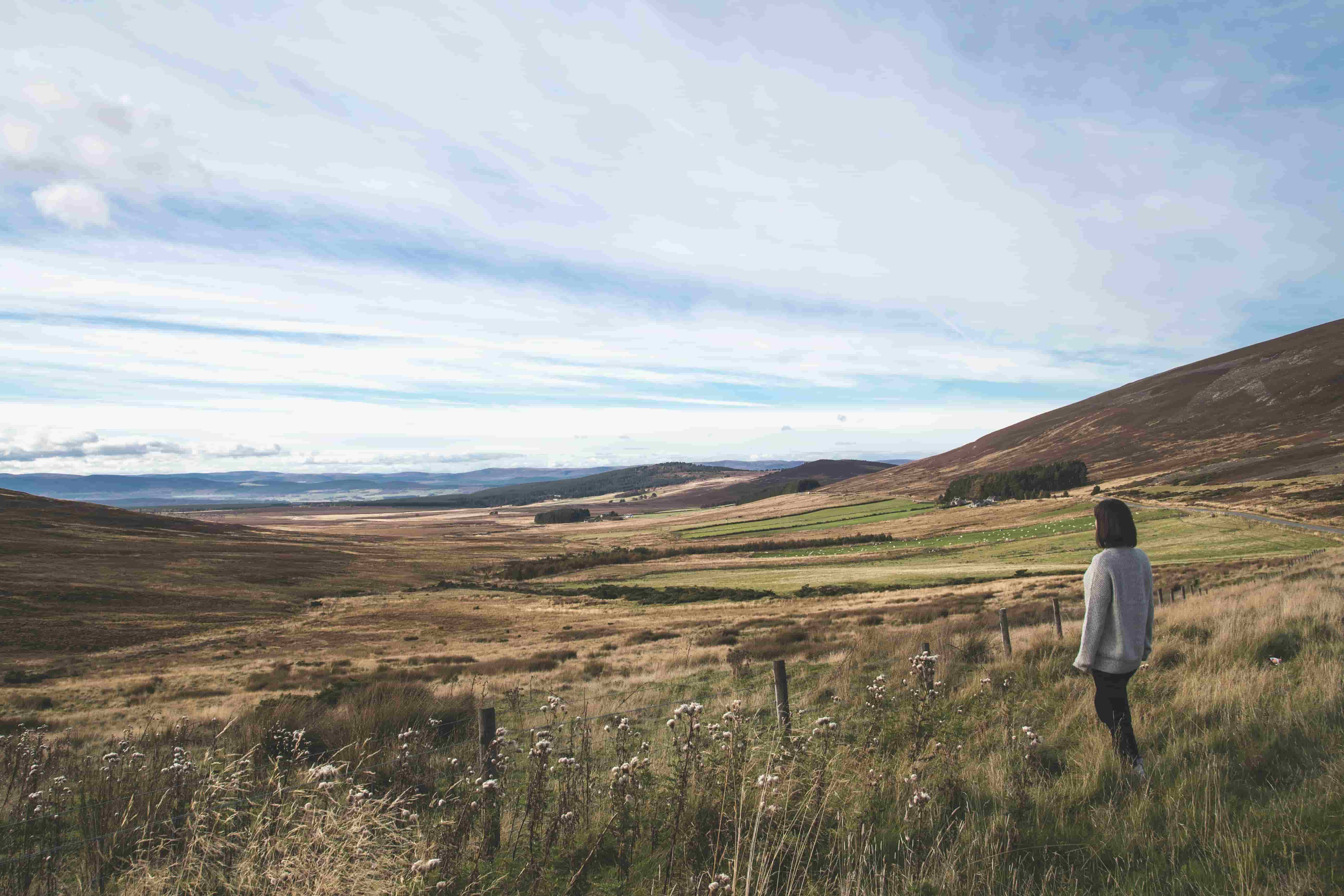
Scottish Scenic Routes initiative
Learn More
Sir Harry Burns lecture on wellness
Learn More
Dementia-friendly design: what is it and why is it important?
Learn More
Search yielded no results